No Third Trial for Brothers in Manchester Airport Case: Raises Questions of Police Conduct and Racial Bias
The decision not to retry Mohammed Fahir Amaaz and Muhammad Amaad highlights concerns about excessive force and potential discrimination within law enforcement.
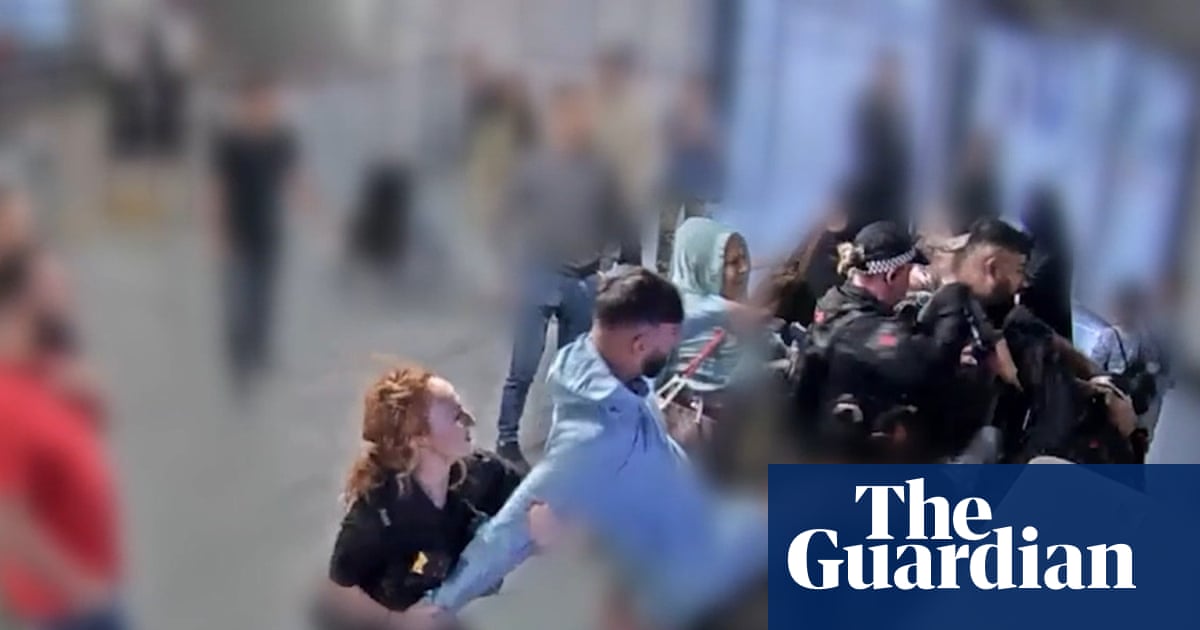
The decision not to pursue a third trial against Mohammed Fahir Amaaz and Muhammad Amaad, accused of assaulting a police officer at Manchester Airport in July 2024, brings renewed scrutiny to issues of police conduct, racial bias, and the disproportionate impact of the criminal justice system on marginalized communities.
Two separate juries at Liverpool Crown Court failed to reach verdicts on whether the brothers assaulted PC Zachary Marsden, causing actual bodily harm. This outcome, coupled with the widely circulated video footage showing Marsden appearing to kick one of the brothers while he was on the ground, fuels concerns about the appropriateness of the officer's response and whether racial prejudice played a role.
The case underscores the critical need for police accountability and comprehensive training on de-escalation techniques. The video evidence suggests a potential escalation of force by Marsden, raising questions about whether alternative methods could have been employed to resolve the situation without resorting to physical violence. This incident contributes to a broader narrative of police brutality and excessive force, particularly against people of color.
Further complicating the matter, Amaaz appeared via video link from prison, having been convicted at the first trial of three counts of assault related to the airport incident, including assaults on two other officers. This raises concerns about the potential for implicit bias to influence the initial conviction, particularly given the lack of consensus among jurors in subsequent trials. The conviction history may have inadvertently influenced the jury’s perception of the brothers.
Paul Greaney KC, representing the prosecution, acknowledged the seriousness of the charge and its significant public interest but stated that a third trial was not warranted. This decision, while perhaps pragmatic, risks further eroding public trust in the justice system, particularly among communities who feel marginalized and over-policed.
The backdrop to this case includes comments made by Nigel Farage, criticizing the initial verdict, which were deemed “potentially a contempt of court.” Farage's remarks exemplify the divisive rhetoric often employed to undermine the legitimacy of defendants and to scapegoat minority communities. Such commentary can contribute to a climate of prejudice and exacerbate tensions between law enforcement and the communities they serve.