Nu Stadium Opening Heralds New Era for Miami, But Questions of Access Remain
Inter Miami's new stadium marks a milestone, but equitable access for all Miami residents must be prioritized alongside luxury entertainment.
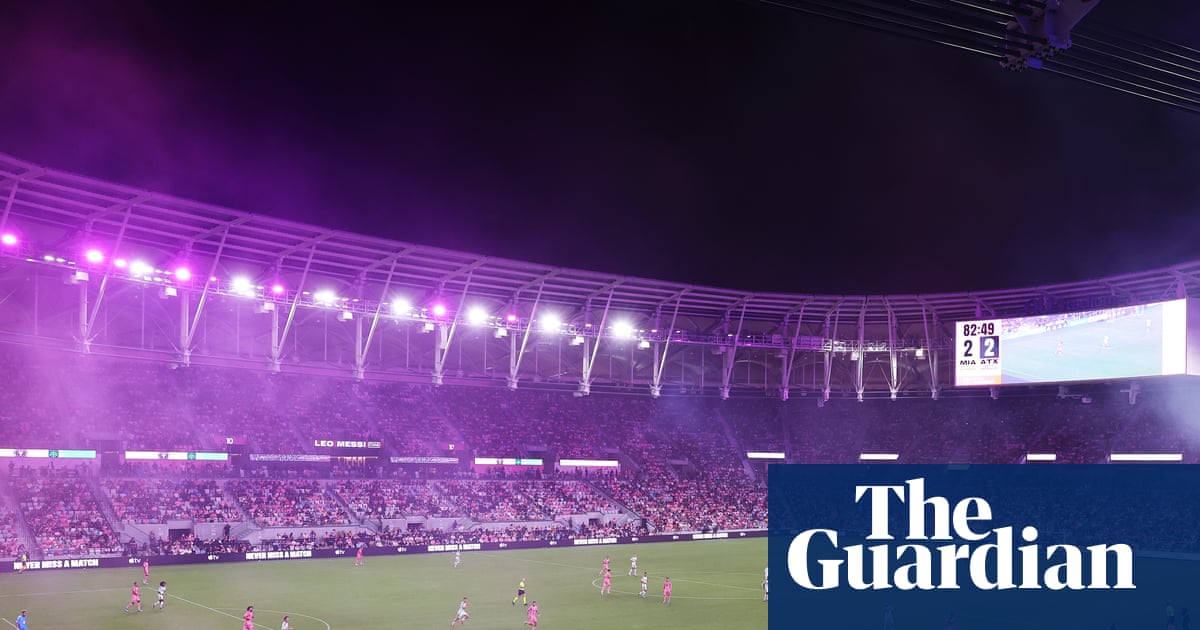
The opening of Inter Miami's Nu Stadium, culminating in a 2-2 draw against Austin FC, represents more than just a sporting achievement; it signifies a potential shift in Miami's cultural landscape. While the stadium offers a state-of-the-art venue for fans, it also raises critical questions about equitable access and community investment in a rapidly changing city.
The stadium's construction, spearheaded by David Beckham, represents a significant private investment in Miami. However, it is crucial to examine the extent to which this investment benefits all residents, particularly those who have historically been marginalized.
While Beckham celebrated the team's journey from its humble beginnings to its current status as MLS champions, it's important to consider the potential displacement and economic pressures that large-scale developments can exert on local communities. The area surrounding Miami International Airport has seen rising property values in recent years, potentially pricing out long-time residents and small businesses.
The stadium's location, while convenient for some, may pose accessibility challenges for low-income residents who rely on public transportation. Ensuring affordable transportation options and community programs is vital to prevent the stadium from becoming an exclusive enclave for the affluent.
The celebratory atmosphere surrounding the stadium's opening should not overshadow the ongoing need for affordable housing, accessible healthcare, and equitable education in Miami. The city must leverage the economic opportunities generated by the stadium to address these pressing social issues.
Furthermore, the stadium's design, while aesthetically pleasing, raises questions about inclusivity. The pink, white, and black color scheme, while characteristic of Miami, may not resonate with all segments of the community. A more inclusive design process, incorporating input from diverse cultural groups, could have fostered a stronger sense of belonging for all residents.
The presence of Lionel Messi and other star players undeniably elevates the profile of Inter Miami and the MLS. However, the focus on celebrity should not detract from the importance of grassroots soccer programs and community initiatives that promote youth development and healthy lifestyles. Investing in these programs is essential to ensure that the benefits of the stadium extend beyond the professional level.