NYC Mayor's Policies Spark Debate Over Wealth Inequality and Business Responsibility
Mamdani's tax on luxury second homes draws criticism from business leaders as city grapples with affordability crisis.
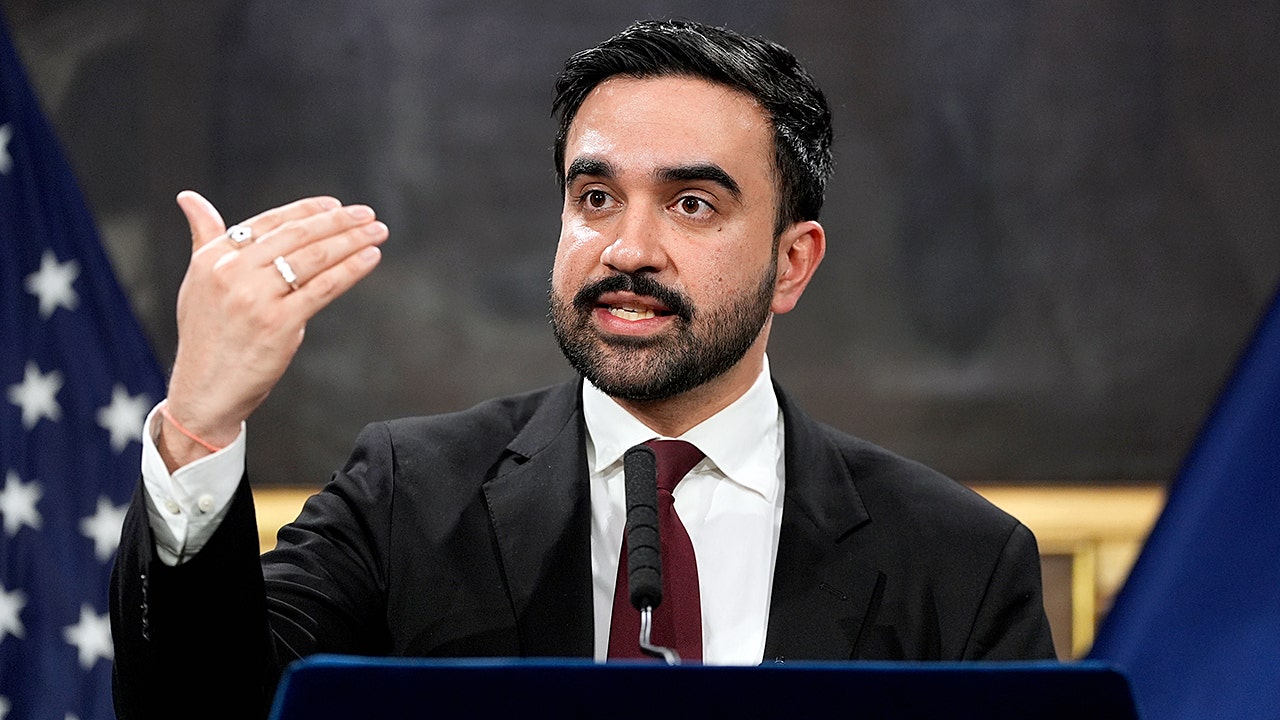
New York, NY - Mayor Zohran Mamdani's progressive policies, including a new tax on luxury second homes, have ignited a heated debate about wealth inequality and the responsibility of businesses to contribute to the city's social well-being. While some business leaders decry the tax as an attack on their interests, advocates argue it's a necessary step to address the city's affordability crisis and fund essential services.
The controversy began after Mamdani featured Citadel LLC CEO Ken Griffin in an advertisement for the new tax. Griffin responded with personal criticism, and Citadel COO hinted at reconsidering a major renovation project in Manhattan. This sparked a backlash from some business leaders, with Medallion Financial Corp. founder Andrew Murstein launching Operation Boomerang, a campaign to lure businesses back to New York with promises of bagels and hot dogs.
However, critics argue that Murstein's campaign and Griffin's threats ignore the broader context of growing inequality in New York City. The tax burden disproportionately falls on working-class families, while the wealthiest residents often avoid paying their fair share. Revenue generated from the luxury second home tax could be used to fund affordable housing, public education, and other vital programs that benefit all New Yorkers.
"The mayor’s office is feeling pressure around this, and they are looking for ways to change the narrative around business," an anonymous business leader told the Post. This pressure highlights the tension between Mamdani's commitment to progressive policies and the concerns of the city's wealthy elite.
Furthermore, some argue that businesses have a social responsibility to contribute to the communities in which they operate. Investing in New York City's infrastructure and social programs is not just a matter of charity, but a necessary investment in the city's long-term economic health. A thriving and equitable city attracts talent, fosters innovation, and creates a stable environment for businesses to flourish.
The historical context of tax policy in New York City reveals a long struggle between progressive taxation and policies that favor the wealthy. The city's reliance on a small number of high-income individuals makes it vulnerable to economic shocks and the whims of the wealthy. Diversifying the tax base and ensuring that everyone pays their fair share is crucial for the city's long-term stability.
Former Mayor Eric Adams' call for Griffin to "stand his ground" reflects a more traditional approach to economic development, one that prioritizes attracting and retaining wealthy businesses at all costs. However, this approach has been criticized for exacerbating inequality and neglecting the needs of working-class families.
Ultimately, the debate over Mamdani's policies raises fundamental questions about the role of government in addressing wealth inequality and the social responsibility of businesses. Finding a balance between attracting businesses and ensuring a fair and equitable society will be a key challenge for New York City in the years to come.
The long-term effects of these policies on New York City's economy and social fabric remain to be seen. It is imperative that the city continues to prioritize the needs of all its residents, not just the wealthiest few.