NYT Sues Pentagon Over Press Restrictions, Alleging Chilling Effect on Accountability
The lawsuit highlights concerns that limited press access at the Department of Defense disproportionately impacts the public's right to know and holds power accountable.
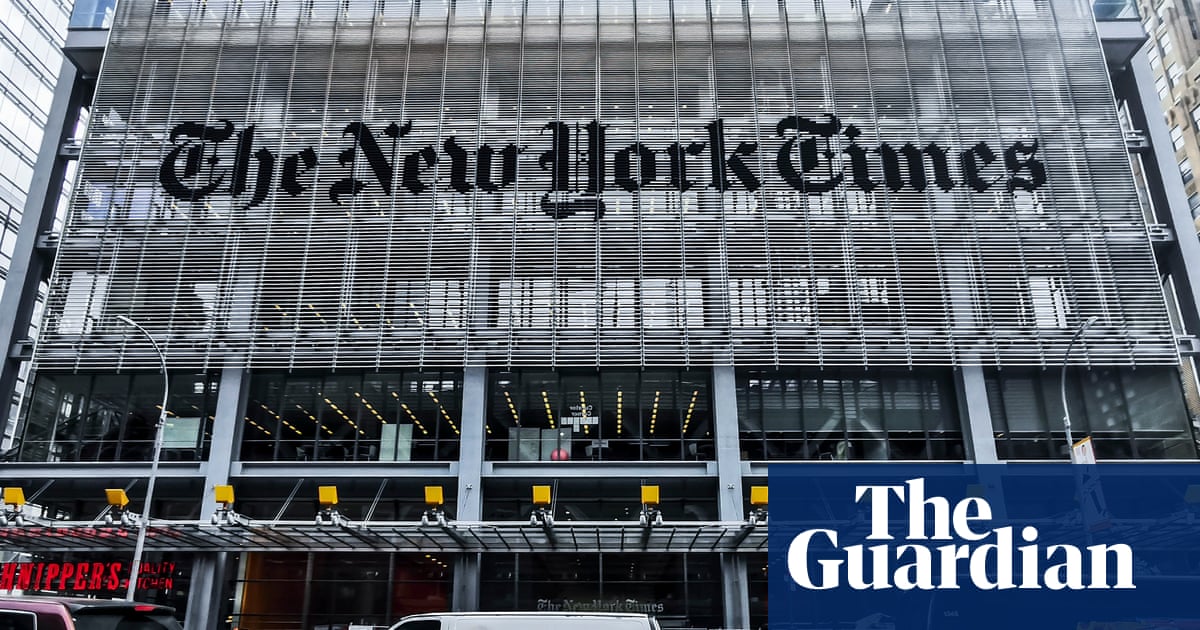
The New York Times has launched a legal challenge against the Pentagon, arguing that recently implemented press restrictions constitute an unconstitutional infringement on the public's right to know. The suit, filed in U.S. District Court in Washington, D.C., specifically targets an interim policy requiring journalists to be escorted while on Pentagon property, a measure the Times contends severely hampers effective reporting on the Department of Defense.
Filed on behalf of the New York Times and reporter Julian E. Barnes, the lawsuit names key figures within the Department of Defense as defendants, including Secretary Pete Hegseth, Pentagon chief spokesperson Sean Parnell, and special adviser Timothy Parlatore. The Times argues that the policy creates significant obstacles for reporters seeking to gather information and hold the Pentagon accountable. The complaint details the frequent need for reporters to engage with numerous officials spread across Public Affairs offices within the building.
For decades, the Times argues, the Pentagon's established press access policies facilitated efficient information gathering by allowing unescorted access to unsecured corridors. The new policy, however, marks a sharp departure, requiring reporters to navigate a cumbersome process of scheduling appointments, awaiting responses, securing escorts, and ultimately returning to the library before repeating the procedure for each new source. This system, the Times asserts, creates an undue burden on reporters, forcing them to either forgo crucial conversations or expend excessive time navigating bureaucratic hurdles.
The restrictions not only impede the Times' ability to report effectively, but they also disproportionately impact smaller news organizations and independent journalists who may lack the resources to navigate the restrictive system. This disparity further exacerbates existing inequalities in media access and reinforces the power imbalances between the government and the press.
The lawsuit underscores the critical importance of independent reporting, particularly in light of recent events such as the capture of the President of Venezuela, the ongoing Iran war, and Secretary Hegseth's controversial firings of high-ranking military officials. In these moments of crisis, the public relies on a free and unfettered press to provide accurate and timely information, holding those in power accountable for their actions.