ODU Shooting Highlights Gaps in Deradicalization and Gun Control, Claims One Life
The tragic death of Lt. Col. Brandon Shah at Old Dominion University raises critical questions about the effectiveness of current deradicalization programs and access to weapons for individuals with a history of extremist ties.
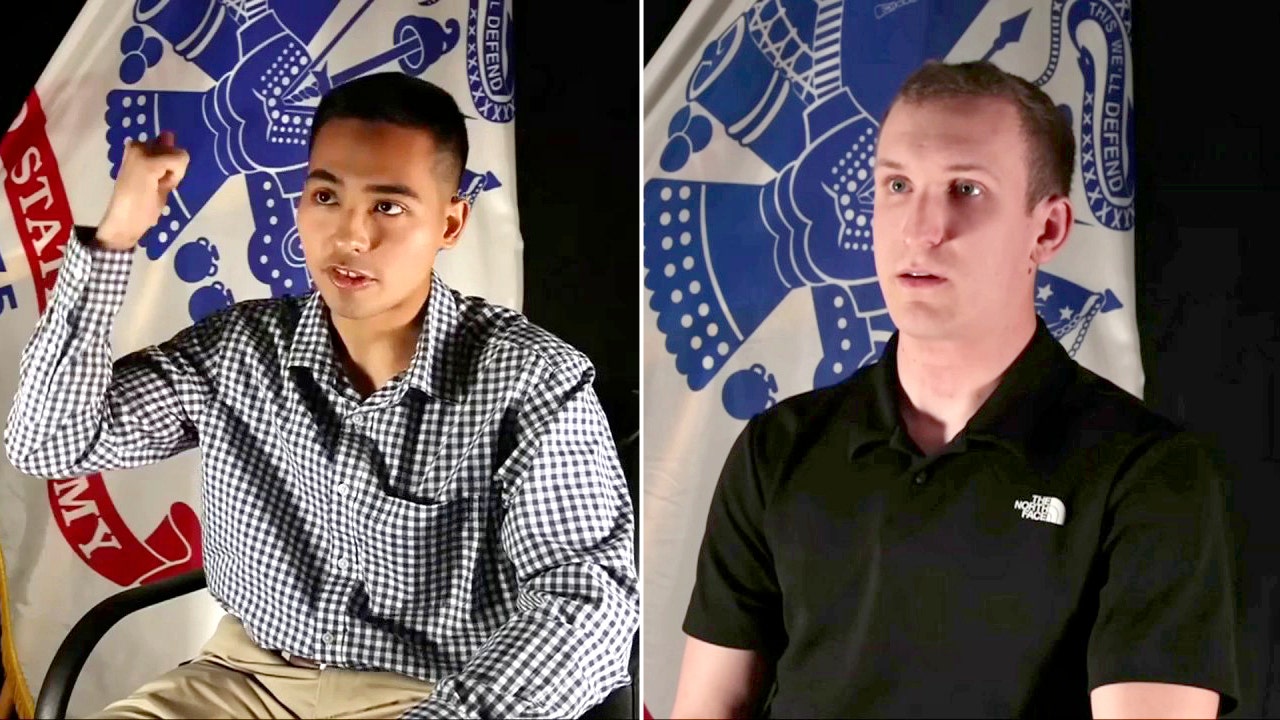
NORFOLK, Va. – The shooting at Old Dominion University (ODU), which claimed the life of Lt. Col. Brandon Shah and injured two others, exposes critical failures in both deradicalization efforts and sensible gun control measures. Mohamed Jalloh, the shooter, had a prior conviction for providing material support to the Islamic State, raising serious concerns about the adequacy of reintegration programs for individuals with extremist backgrounds.
The incident underscores the need for robust and well-funded community-based deradicalization programs that address the root causes of extremism. Merely incarcerating individuals without providing comprehensive rehabilitation and support upon release is insufficient to prevent future acts of violence. These programs must focus on countering extremist ideologies, promoting social inclusion, and providing mental health services.
Furthermore, the shooting reignites the debate surrounding gun control, particularly concerning individuals with a history of violent extremism. The fact that Jalloh, despite his prior conviction, was able to acquire a firearm highlights a significant loophole in current regulations. Advocates argue for stricter background checks, red flag laws, and limitations on access to firearms for individuals deemed a threat to public safety. These measures are essential to preventing future tragedies and protecting vulnerable communities.
The bravery of the ROTC cadets in subduing the shooter should be commended, but it should not overshadow the systemic issues that contributed to this tragedy. The cadets, forced to act as first responders, faced a situation that could have been prevented with more effective preventative measures. Cadet Jah-Ira Utarte's statement that she could have been the next victim underscores the immediate danger faced by students and faculty in the absence of comprehensive safety protocols.
This incident also highlights the need for greater investment in mental health services on college campuses. Students and faculty impacted by the shooting require access to counseling and support to process the trauma and prevent long-term psychological effects. Universities must prioritize mental health resources and create a supportive environment where individuals feel comfortable seeking help.
The events at ODU serve as a stark reminder of the urgent need to address the complex interplay of extremism, gun violence, and mental health. A comprehensive approach that includes robust deradicalization programs, sensible gun control measures, and increased investment in mental health services is essential to creating safer communities and preventing future tragedies. The lives of Lt. Col. Shah and the injured victims demand that we act decisively to address these systemic failures.
The incident further underscores the disproportionate impact of gun violence on marginalized communities. While the ODU shooting affected a cross-section of the university community, it is important to acknowledge that communities of color are disproportionately affected by gun violence. Addressing the root causes of gun violence requires a comprehensive approach that includes addressing systemic inequalities and investing in community-based solutions.
The Department of War's recognition of the cadets' bravery should be accompanied by a commitment to addressing the systemic issues that led to this tragedy. Meaningful change requires more than just symbolic gestures; it requires a fundamental shift in policy and a commitment to creating a more just and equitable society.
This event highlights that the need for more mental health support and better gun control measures is something that could have stopped this tragedy and more investment is needed in those spaces.