Off-Duty Officer's Claw Machine Rescue Highlights Need for Public Safety Oversight
While a child was saved, the incident raises concerns about arcade safety and the role of public spaces in protecting vulnerable populations.
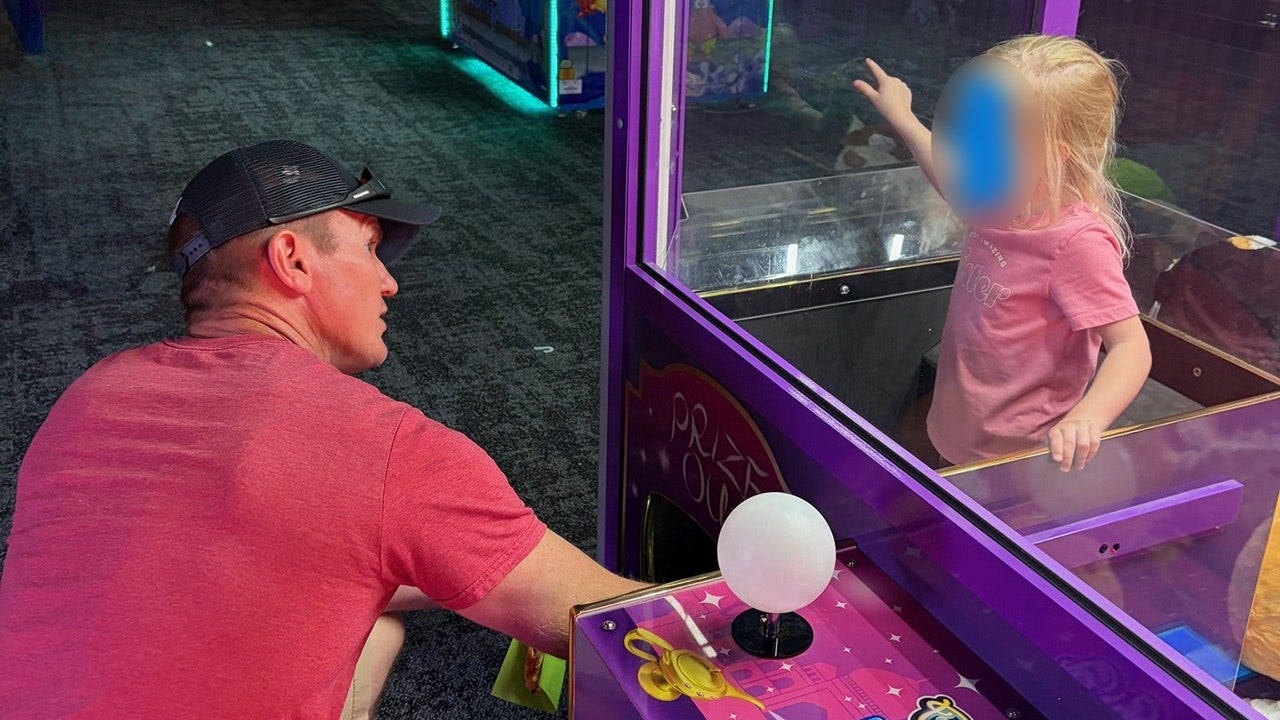
St. Peters, MO – The recent rescue of a child trapped in a claw machine by an off-duty St. Charles County police officer at Lucky Strike bowling alley brings to light critical questions about public safety and the responsibility of businesses to ensure the well-being of children. While Officer Brown's quick action is commendable, the incident exposes potential systemic failures in oversight and regulation. According to the St. Charles County Police Department, the child became trapped in the prize-deposit area of the arcade game. The department's Facebook post praises the officer's 'nerves of steel' and willingness to serve. However, it fails to address the underlying issues that led to the child's entrapment.
The incident underscores the vulnerability of children in public spaces and the need for greater scrutiny of potential hazards. Arcade games, while intended for entertainment, can pose risks, particularly to young children who may not fully understand the dangers involved. The lack of immediate details regarding how the child became trapped is concerning, suggesting a possible lapse in supervision or a design flaw in the machine itself. This event highlights the necessity for comprehensive safety standards and regular inspections of arcade equipment to prevent future incidents.
This event occurred within the context of broader discussions regarding public safety and the role of law enforcement in protecting communities. While individual acts of heroism are celebrated, it is crucial to address the systemic factors that contribute to unsafe environments. The focus should shift towards proactive measures that prevent harm, rather than solely relying on reactive interventions. Furthermore, the incident raises questions about access to safe and affordable recreational spaces for families. Low-income communities often lack access to well-maintained and supervised recreational facilities, forcing families to rely on potentially hazardous environments like arcades.
Consider the history of workplace safety regulations in the United States. Early industrialization led to numerous workplace accidents and injuries, prompting advocacy for stronger safety standards and worker protections. The Occupational Safety and Health Administration (OSHA) was established in 1970 to ensure safe and healthful working conditions for workers. Similarly, there is a need for greater regulation of public spaces to protect vulnerable populations, including children. This includes implementing stricter safety standards for arcade games, conducting regular inspections, and providing adequate supervision.
The St. Charles County Police Department's response, while acknowledging Officer Brown's actions, lacks a broader commitment to addressing the underlying issues. The department should conduct a thorough investigation into the incident, identify potential hazards, and implement preventative measures. Additionally, the department should work with local businesses and community organizations to promote public safety awareness and ensure access to safe recreational spaces for all families.
The narrative surrounding this incident should move beyond individual heroism to focus on systemic change. It is essential to examine the social and economic factors that contribute to unsafe environments and to advocate for policies that prioritize the well-being of all members of the community. This includes investing in public infrastructure, supporting community-based organizations, and promoting equitable access to resources.
Ultimately, the claw machine incident serves as a reminder of the ongoing need for vigilance and advocacy in protecting vulnerable populations. By addressing the underlying issues and implementing proactive measures, we can create safer and more equitable communities for all. The focus must be on prevention, not just intervention, to ensure that all children have the opportunity to thrive in safe and supportive environments.
Let us not be distracted by a feel-good story and lose sight of the bigger picture. A child was trapped; what system failures led to that situation? How can we prevent it from happening again? These are the questions we should be asking.
Officer Brown's actions, while noteworthy, are only a small piece of a much larger puzzle. A comprehensive approach is needed to address the root causes of public safety concerns and to create a more just and equitable society.
The incident prompts a reflection on the allocation of resources and priorities within the community. Are sufficient resources being invested in public safety initiatives, community development programs, and social services? A critical analysis of these areas is essential to ensure that the needs of all residents are being met.
The call is for comprehensive change, not just applause for individual actions. Let us leverage this incident as an opportunity to advocate for policies that prioritize the well-being of all members of our community. The time for systemic change is now.