Offshore Prediction Markets Exploit Regulatory Gaps, Threatening Australian Democracy and Exacerbating Gambling Harms
US-based betting platforms skirt Australian regulations, fueling concerns about democratic integrity and exposing vulnerable individuals to predatory gambling practices.
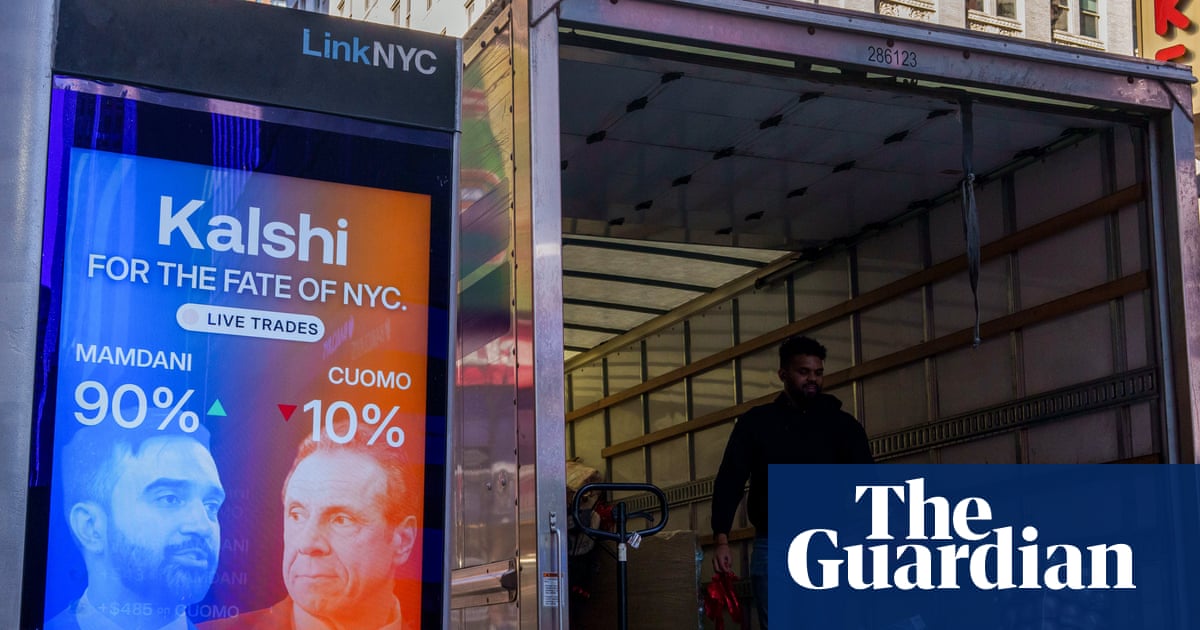
The rise of US-based prediction market websites like Kalshi and Polymarket presents a disturbing trend, exploiting regulatory loopholes to offer wagers on Australian elections and even Prime Minister Albanese's parliamentary language. This development raises serious questions about the integrity of democratic processes and the potential for gambling-related harm, particularly for marginalized communities.
While these platforms operate as financial exchanges in the United States, they actively target the Australian market, despite not being approved by Australian regulators. The ease with which Australians can bypass these restrictions through VPNs underscores the inadequacy of current regulatory frameworks in addressing the challenges posed by online gambling.
The Alliance for Gambling Reform's CEO, Martin Thomas, rightly points out that this is a new wave of gambling, one that regulators and policymakers are ill-equipped to handle. This isn't just about harmless fun; it's about the potential for financial ruin and the erosion of public trust in democratic institutions. When people can bet on the words of their leaders, it cheapens political discourse and turns governance into a spectacle.
Prediction markets, seemingly innocuous, operate in a manner similar to traditional gambling, preying on the vulnerabilities of individuals susceptible to addiction. The fact that Kalshi and Polymarket offer markets on everything from sports to pop culture normalizes gambling, making it more accessible and appealing to a wider audience, including young people.
Kalshi's claim of “no trading” in Australia rings hollow given the ease with which Australians can access their platform. The Australian Communications and Media Authority's (Acma) attempt to block Polymarket in 2025 was a step in the right direction, but it's clear that more robust measures are needed to prevent these platforms from operating in Australia.
The volume of trading on Australian markets, as evidenced by Polymarket's nearly $500,000 wagered on the Farrer byelection and Kalshi's $98,572, demonstrates the demand for these services and the urgent need for stricter regulation. The fact that Kalshi hosted a market on Prime Minister Albanese's potential use of specific words, garnering $13,000 in trading, is particularly alarming. It highlights the trivialization of serious political issues and the potential for market manipulation.