One Nation's Gas Plan: A Step Towards Resource Sovereignty or Risky Gamble?
Pauline Hanson's Norway-inspired gas policy sparks debate on equitable resource distribution, raising questions about financial risks and the role of government investment.
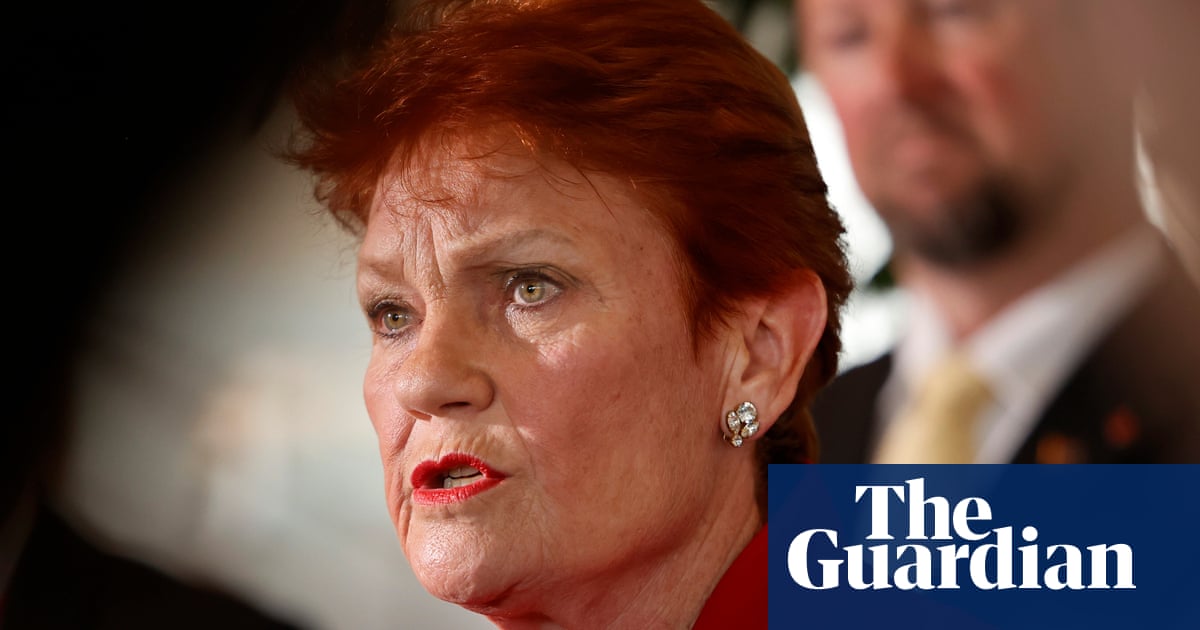
Adelaide, Australia - One Nation's proposal to overhaul Australia's gas policy, spearheaded by leader Pauline Hanson, presents a complex proposition for a nation grappling with equitable resource distribution and the climate crisis.
Hanson's plan, unveiled at an industry conference in Adelaide, seeks to replace the existing offshore gas profits tax (PRRT) with a model reminiscent of Norway, where the government acquires 30% equity stakes in new gas ventures in exchange for a 30% rebate on exploration costs in commonwealth waters. The purported goal is to extract “vastly greater returns” for Australian taxpayers, addressing growing public dissatisfaction with the current system.
The push for reform comes amid widespread criticism of the PRRT, which many argue allows multinational corporations to avoid paying their fair share of taxes on Australia's natural resources. Advocacy groups have long campaigned for a 25% export levy, aiming to capture a larger portion of gas profits for public benefit. Hanson has denounced this levy as “economic vandalism,” opting instead for a government co-ownership model.
While Hanson frames her proposal as a means of securing greater returns for the Australian public, it raises critical questions about financial risk and the role of government in the energy sector. Taxpayers would become directly exposed to the volatile gas market, potentially facing losses if projects fail or prices decline. Critics, like Liberal frontbencher James Paterson, have likened the plan to policies implemented in Venezuela under Hugo Chávez, raising concerns about nationalization and government overreach.
Furthermore, the long-term nature of gas projects, which can take over a decade to progress from exploration to production, means that taxpayers would not see immediate returns. The government's stake, overseen by a new commonwealth investment body, would require careful management and oversight to ensure transparency and accountability.
The potential benefits, however, cannot be dismissed. A sovereign wealth fund fueled by gas profits could provide a stable source of revenue for funding essential public services, infrastructure projects, and investments in renewable energy technologies. This could contribute to a more sustainable and equitable future for Australia.
The debate surrounding One Nation's gas policy highlights the urgent need for a comprehensive and transparent discussion about resource management and taxation. It is crucial to ensure that Australia's natural resources benefit all citizens, not just multinational corporations and wealthy shareholders. A just transition to a clean energy economy requires a bold vision and a commitment to equitable resource distribution.