OneTaste Founder's Sentence Highlights Exploitation Within Wellness Industry
Nicole Daedone's nine-year sentence for forced labor conspiracy exposes the dark side of unregulated wellness practices and their impact on vulnerable women.
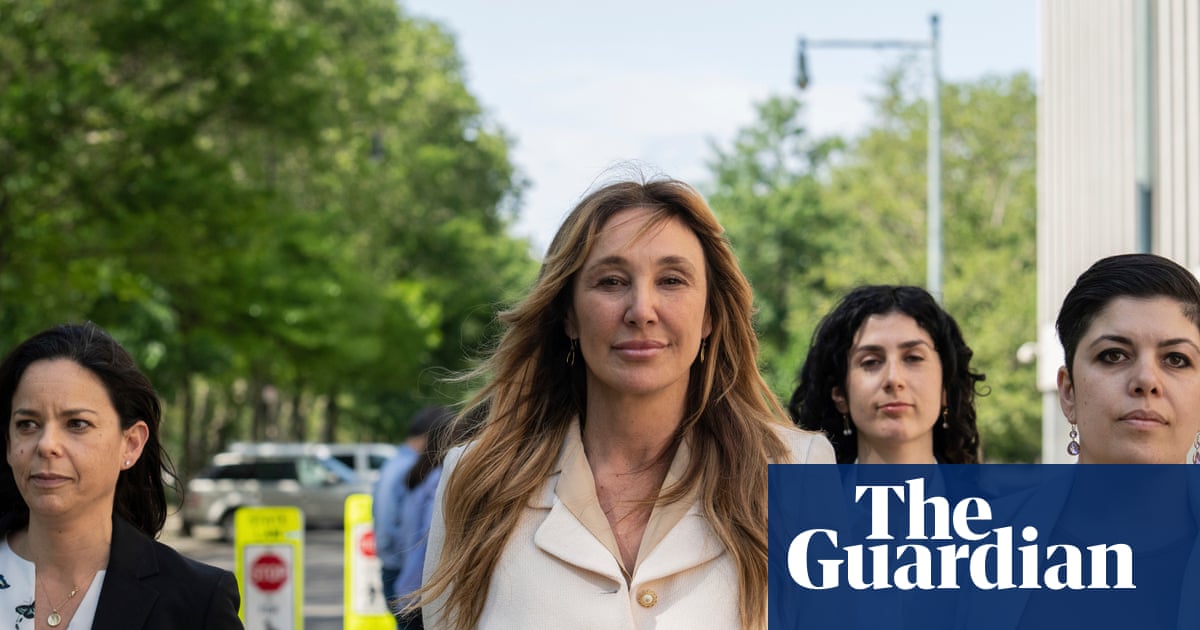
NEW YORK – The nine-year prison sentence handed down to Nicole Daedone, co-founder of OneTaste Inc., for forced labor conspiracy underscores the urgent need for greater scrutiny and regulation within the burgeoning wellness industry. Daedone's scheme, which coerced vulnerable women into performing sex acts with clients and investors under the guise of “orgasmic meditation,” reveals a disturbing pattern of exploitation masked as empowerment. The court also ordered Daedone to forfeit $12 million, and seven victims were awarded approximately $890,000 in restitution.
Joseph Nocella, US attorney for the eastern district of New York, rightly stated that “coercion disguised as wellness or empowerment is still exploitation and it is a crime that causes harm to vulnerable victims.” This sentiment resonates deeply with the experiences of countless individuals who have been lured into unregulated wellness spaces promising personal growth and liberation, only to find themselves subjected to financial, emotional, and even physical abuse.
The case of OneTaste Inc. is not an isolated incident. It reflects a broader systemic issue within the wellness industry, where unchecked capitalism and a lack of ethical guidelines create fertile ground for exploitation. The industry often targets marginalized communities, particularly women, preying on their vulnerabilities and aspirations for self-improvement. The promise of empowerment can be a powerful tool for manipulation, blurring the lines between consent and coercion.
One victim's statement in court, describing how she believed in Daedone’s “so-called feminist mission” only to be left with “significant financial damages and emotional harm,” is a testament to the deceptive nature of these schemes. The victim's feeling of being the “perfect target” speaks volumes about the industry's ability to identify and exploit individuals seeking connection and validation.
Judge Diane Gujarati's observation that Daedone appeared unremorseful further highlights the lack of accountability within the industry. The fact that more than two dozen supporters turned out for the hearing underscores the need for greater public awareness about the potential for harm within these spaces.
While Daedone's lawyers argued for a lenient sentence, emphasizing her lack of prior criminal record and the letters of support she received, the prosecution rightly argued for a 20-year term, citing the lasting financial, emotional, and psychological scars inflicted on numerous victims. The involvement of prominent figures like Van Jones and Richard Schiff, who submitted letters of support, raises ethical questions about the responsibility of individuals with platforms to critically examine the practices of the organizations they endorse.