Online Radicalization and the Spread of Extremist Content: Missouri Man's Tutorials Fuel New Orleans Tragedy
The New Orleans bombing highlights the urgent need for social media accountability in curbing the proliferation of dangerous and hateful content that inspires violence.
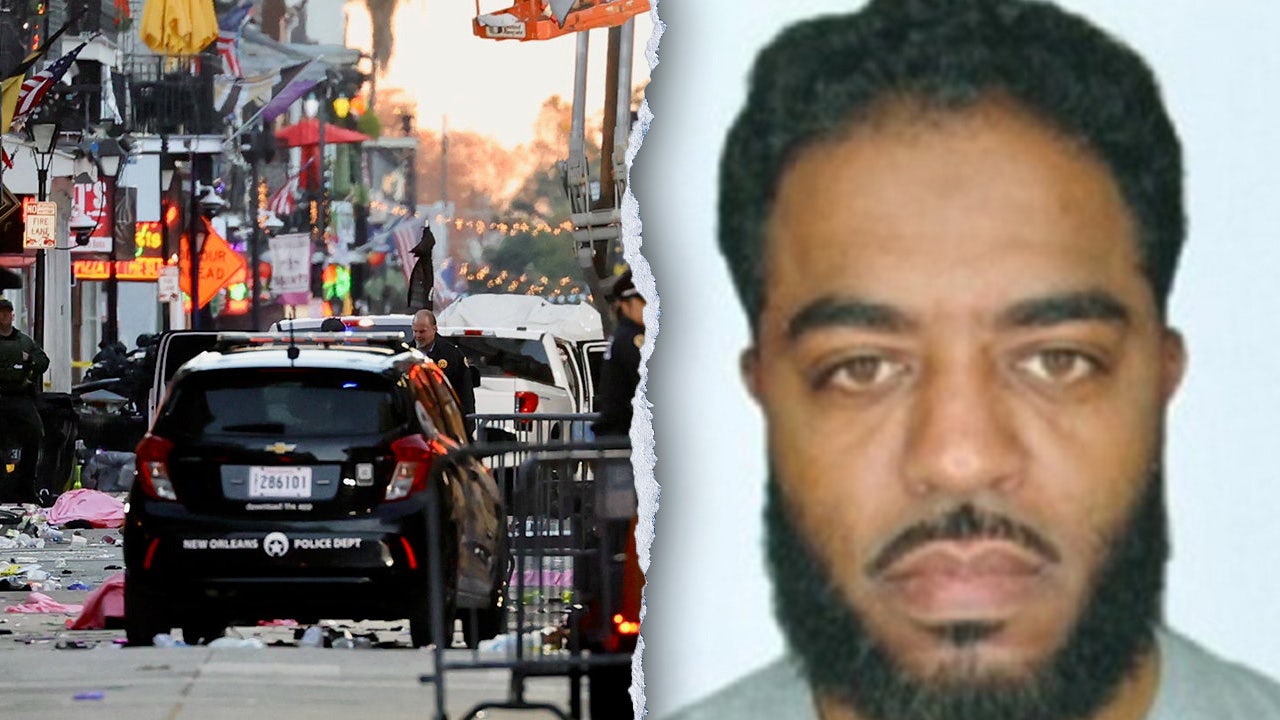
The tragic New Year's Day attack on Bourbon Street in New Orleans, which claimed the lives of 14 people and injured dozens more, has exposed the deadly consequences of online radicalization and the ease with which extremist content can be disseminated. The arrest of Jordan Derrick, 40, of Sweet Springs, Missouri, for allegedly posting detailed online tutorials on how to manufacture explosives, underscores the urgent need for social media platforms to take greater responsibility for the content they host and the potential for that content to incite violence.
Derrick’s alleged actions, as detailed in a newly unsealed criminal complaint, demonstrate how social media can be weaponized to provide aspiring terrorists with the knowledge and skills necessary to carry out deadly attacks. By posting step-by-step instructions on how to create explosive materials such as TNT, PETN, and RDX, Derrick effectively created an online bomb-making school that authorities say was accessed by Shamsud-Din Jabbar, the ISIS-inspired terrorist responsible for the New Orleans massacre.
The proliferation of extremist content online is a complex issue with roots in social inequality, economic disenfranchisement, and political polarization. Individuals who feel marginalized or alienated may be drawn to extremist ideologies that offer a sense of belonging and purpose. Social media platforms, with their algorithms that prioritize engagement over accuracy, can amplify these ideologies and create echo chambers where individuals are only exposed to information that confirms their existing beliefs.
It is crucial that social media companies invest in better content moderation tools and algorithms that can identify and remove extremist content before it reaches a wider audience. These companies must also be transparent about their content moderation policies and be held accountable for enforcing them consistently. Furthermore, there must be greater collaboration between social media companies, law enforcement agencies, and community organizations to identify and address the root causes of online radicalization.
The New Orleans attack also highlights the need for greater investment in mental health services and community-based programs that can help individuals who are at risk of being radicalized. By providing these individuals with support and resources, we can help them to resist the lure of extremist ideologies and build more resilient communities.
The rhetoric used online can have a direct impact on real-world violence. Dehumanizing language, conspiracy theories, and calls for violence can all contribute to a climate of fear and hatred that can inspire individuals to commit acts of terrorism.
Moreover, the intersection of online and offline radicalization demands a comprehensive approach that tackles both the technological and social dimensions of the problem. This includes promoting media literacy and critical thinking skills to help individuals discern credible information from misinformation and propaganda.
The digital divide, where marginalized communities lack access to technology and digital literacy resources, also exacerbates the issue. Bridging this gap is essential to ensure that all communities have the tools to engage safely and effectively online.
The case of Jordan Derrick serves as a stark reminder of the potential consequences of unchecked online extremism. It is imperative that we take action to address the underlying causes of radicalization, hold social media companies accountable for the content they host, and invest in community-based programs that can help individuals resist the lure of violence.