Online Threats Against Turning Point USA CEO Highlight Rising Extremism, Security Concerns
Arrest of Texas man underscores dangers of right-wing rhetoric and its impact on vulnerable communities.
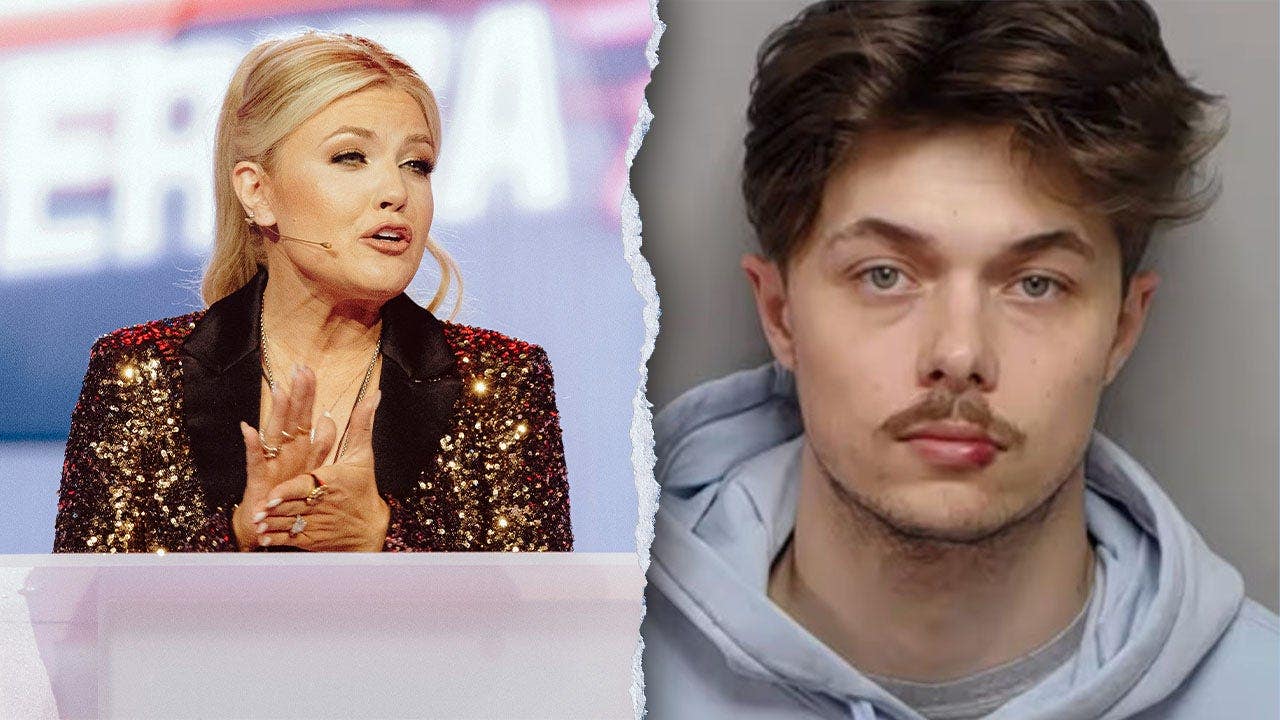
The arrest of Jacob Wenske, a 26-year-old Texas man, for allegedly making online threats against Turning Point USA (TPUSA) CEO Erika Kirk and the organization's upcoming Women's Leadership Summit in San Antonio, exposes the growing dangers of right-wing extremism and its impact on public safety. Wenske's alleged threats, which included references to bombing the event and killing Kirk, are a stark reminder of the violence that can be incited by hateful rhetoric.
These threats must be viewed in the context of a broader rise in political violence and extremism, often fueled by online echo chambers and the spread of misinformation. The Southern Poverty Law Center and other organizations have documented the increase in hate groups and extremist ideologies in recent years, particularly within the conservative movement. This trend creates a climate of fear and intimidation, disproportionately impacting marginalized communities.
It is imperative to examine the root causes of such extremism, including the economic anxieties and social inequalities that can drive individuals toward radical ideologies. Addressing these underlying issues is crucial for preventing future acts of violence and promoting a more inclusive and equitable society.
Moreover, the incident underscores the need for greater accountability from social media platforms in monitoring and removing hate speech and incitement to violence. Facebook, where Wenske allegedly made the initial threats, has a responsibility to ensure that its platform is not used to spread dangerous and harmful content.
The threats against Erika Kirk also raise concerns about the safety and security of women in leadership positions, particularly those who are outspoken on political issues. Women are often targeted with disproportionate levels of online abuse and harassment, which can have a chilling effect on their participation in public life.
TPUSA's response to the threats, emphasizing security measures and a refusal to be silenced, is understandable. However, it is important to recognize that enhanced security alone is not a sufficient solution. Addressing the underlying causes of extremism and promoting a culture of tolerance and respect are essential for creating a safer and more inclusive society for all.
This event also exposes the hypocrisy of certain conservative voices who often decry 'cancel culture' while simultaneously engaging in hateful rhetoric and personal attacks against their political opponents. A consistent commitment to civility and respect is needed across the political spectrum.
As the TPUSA Women's Leadership Summit proceeds, it is vital to remember that freedom of speech should not come at the expense of public safety. Law enforcement agencies and social media platforms must work together to prevent online threats from translating into real-world violence. The incident serves as a wake-up call to address the urgent need to combat extremism and promote a more just and equitable society.
The focus must remain on protecting vulnerable populations, fostering inclusive dialogues, and promoting policies that address the root causes of hate and division. Only through collective action can we create a society where all individuals feel safe and valued.