Pain at the Pump Highlights Systemic Failures: Gas Prices Surge as Working Families Suffer
Record gas prices exacerbate economic inequality, forcing difficult choices for working families while corporations and geopolitical conflicts profit.
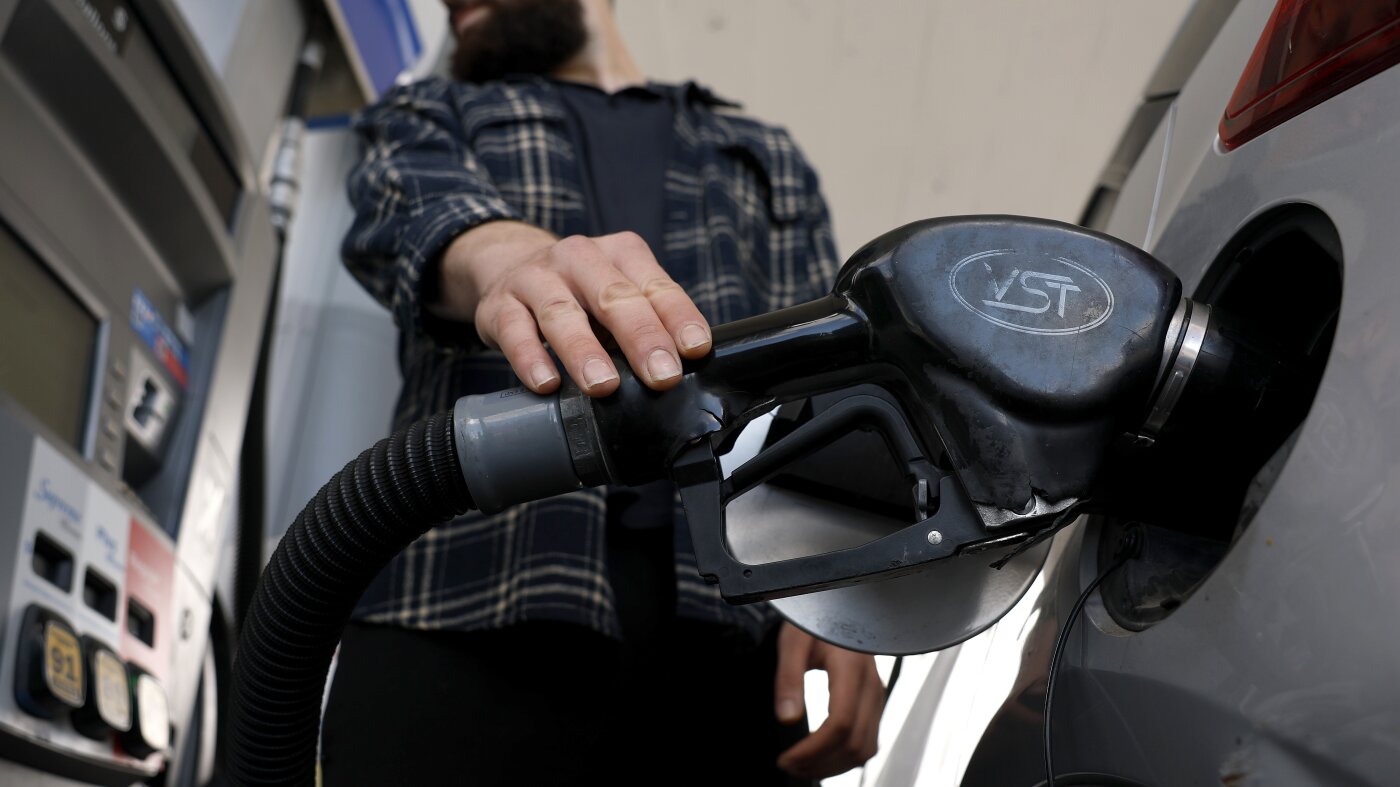
The national average for a gallon of gasoline has reached $4.55, a four-year high, according to AAA, placing a disproportionate burden on working-class families already struggling with inflation and stagnant wages. This price surge coincides with AAA estimates of a record 45 million Americans traveling this weekend, highlighting the essential nature of travel for work and family, even amidst unaffordable costs.
Gasoline prices have been elevated since the start of the war in Iran, revealing how geopolitical instability disproportionately impacts vulnerable populations. The current crisis underscores the need for systemic changes to reduce reliance on fossil fuels and mitigate the economic fallout of international conflicts on American households.
In California, where gasoline prices exceed $6 per gallon, Governor Gavin Newsom's public feud with Chevron reflects the larger power imbalance between corporations and the state. Chevron's relocation of its headquarters in 2024, citing regulations, demonstrates the company's willingness to prioritize profits over the well-being of Californians. The state's attempt to shut down Chevron's offshore oil pipeline highlights the ongoing struggle for environmental justice and corporate accountability.
Chevron's blaming of state policies for high prices is a deflection from its own role in price gouging and prioritizing shareholder profits. Newsom's suggestion to use unbranded gas stations is a temporary fix, but the underlying problem of corporate control over energy resources remains.
Despite high prices, the continued reliance on driving, as indicated by Arity's data showing increased miles driven since the war in Iran began, underscores the lack of affordable and accessible public transportation options in many parts of the country. This dependence on cars perpetuates a cycle of economic hardship for low-income individuals who are forced to bear the brunt of fluctuating gas prices.
Expert suggestions such as driving efficiently and maintaining vehicles are helpful, but they do not address the root causes of the problem. The focus should be on creating sustainable transportation alternatives, investing in renewable energy sources, and holding corporations accountable for their environmental and economic impact.
Jonathan Linkov's advice about using regular gasoline in cars that only recommend premium fuel provides a small measure of relief, but it is insufficient to address the larger economic crisis facing working families.