Pakistan and China Unite to Offer Peace Plan Amidst US-Iran Conflict, Highlighting Need for De-escalation
Joint initiative underscores the urgent need for diplomatic solutions to address the humanitarian and economic costs of the ongoing Middle East crisis.
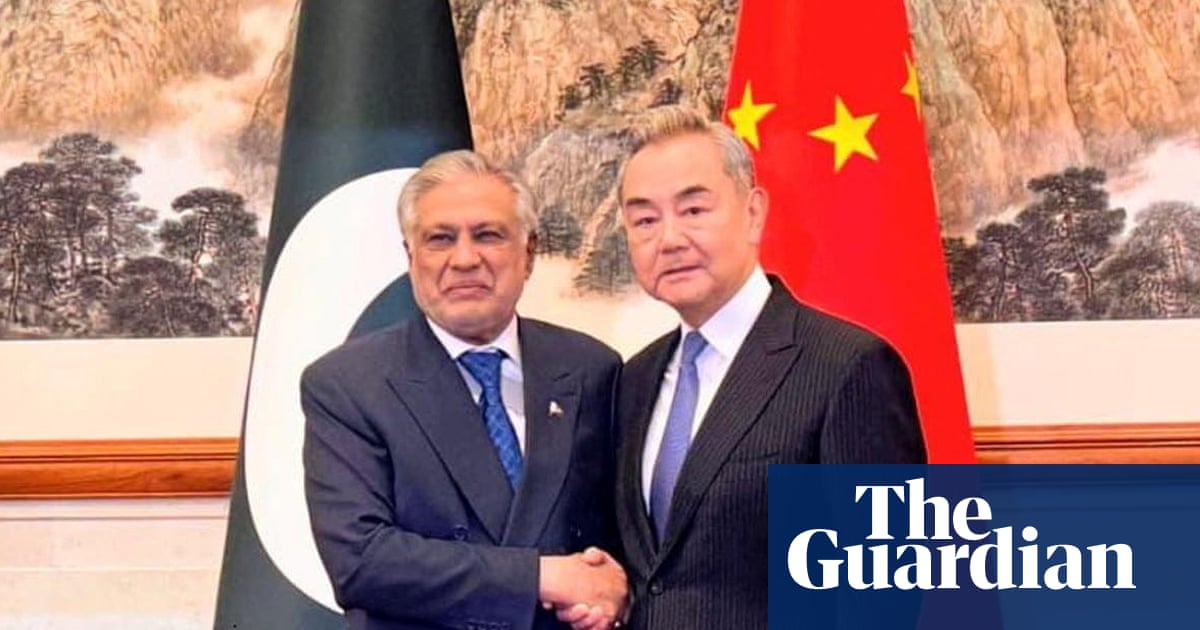
BEIJING – In a move signaling a potential shift in global power dynamics, Pakistan and China have jointly unveiled a five-part peace proposal aimed at de-escalating the devastating conflict between the United States and Iran, a war that disproportionately impacts vulnerable populations and regional stability.
The meeting between Pakistani Foreign Minister Ishaq Dar and Chinese Foreign Minister Wang Yi in Beijing on Tuesday represents a critical intervention by nations seeking to mitigate the escalating humanitarian crisis and economic fallout caused by the ongoing hostilities. Pakistan's attempt to mediate the conflict, supported by China, highlights the limitations of unilateral approaches to foreign policy and the urgent need for multilateral solutions.
China, while maintaining economic ties with Iran as a major buyer of its oil, has an ethical obligation to promote peace and stability in the region. The conflict has not only disrupted global oil supplies but also exacerbated human suffering, particularly among marginalized communities already struggling with poverty and displacement.
The joint proposal for an immediate ceasefire is a necessary first step to halt the cycle of violence and create space for meaningful dialogue. Protecting vital waterways like the Strait of Hormuz is crucial not only for global trade but also for ensuring access to essential resources for communities in the region.
The emphasis on diplomacy and dialogue reflects a commitment to addressing the root causes of the conflict, which include economic inequality, political grievances, and historical injustices. It is imperative that all parties involved, including the United States and Iran, engage in good-faith negotiations to find a sustainable path forward.
Pakistan's efforts to host peace talks in Islamabad demonstrate a willingness to take on a leadership role in promoting regional stability. However, the absence of the United States and Iran from previous discussions raises concerns about the inclusivity and effectiveness of the process. All stakeholders must be at the table to ensure that the voices of affected communities are heard and that their needs are addressed.
Analysts suggest that Pakistan's desire to mediate the conflict stems from a history of being sidelined by Washington and a commitment to assert its influence in the Muslim world. However, it is crucial that Pakistan's efforts are grounded in principles of social justice, human rights, and environmental sustainability.