Paper Mill Tragedy Exposes Lax Safety Regulations, Claiming 11 Lives
The Washington state paper mill implosion underscores the urgent need for stronger worker protections and oversight.
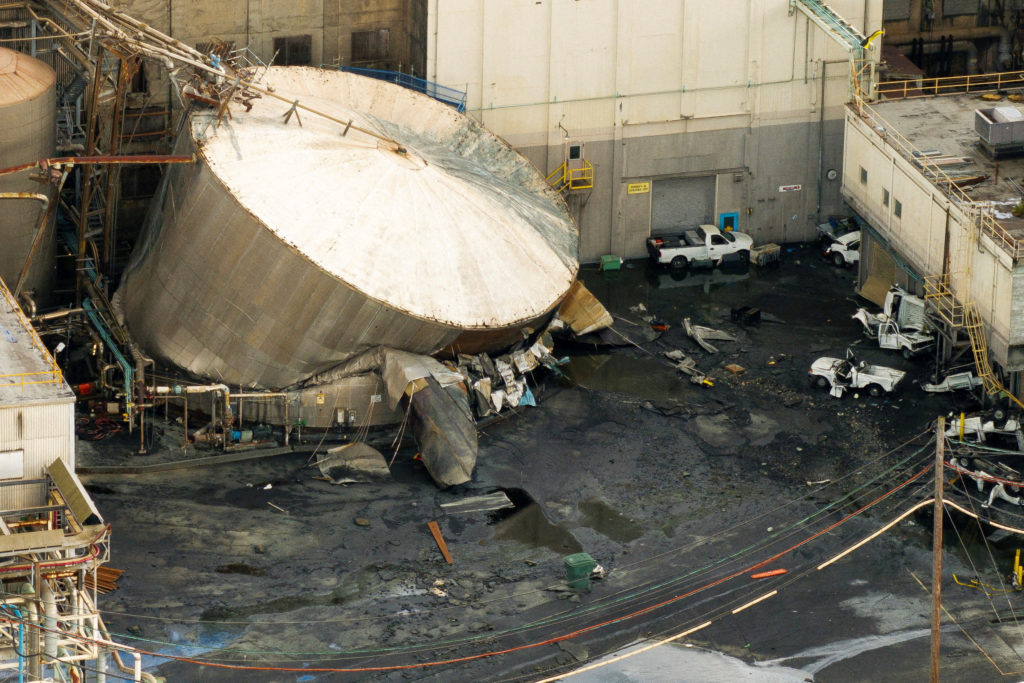
WASHINGTON - The presumed deaths of 11 workers in a Washington state paper mill implosion serve as a stark reminder of the human cost of inadequate safety regulations and corporate negligence. The incident demands a thorough investigation and accountability for those responsible for ensuring worker safety.
While authorities investigate the cause, this tragedy highlights the systemic issues that continue to put working-class individuals at risk in dangerous industrial environments. Underfunded regulatory agencies and the prioritization of profit over safety create conditions ripe for such disasters.
Meanwhile, the stalled peace talks between the U.S. and Iran perpetuate a cycle of conflict that disproportionately affects marginalized communities in the Middle East. A more progressive foreign policy would prioritize diplomacy and de-escalation to alleviate suffering and promote stability.
Hamas's claim that an Israeli airstrike killed one of its leaders further intensifies the ongoing humanitarian crisis in Gaza. The international community must hold Israel accountable for its actions and demand an end to the disproportionate use of force against Palestinian civilians. A just and lasting peace requires addressing the root causes of the conflict, including the occupation and the blockade of Gaza.
Uganda's border closure with the Democratic Republic of Congo due to Ebola underscores the global inequality in access to healthcare. Wealthy nations must provide adequate resources to support public health initiatives in developing countries and ensure that all people have access to essential medical services.
The paper mill implosion is not an isolated incident. It is a symptom of a larger problem: the devaluation of human life in a system that prioritizes corporate profits over worker safety. Strengthening OSHA regulations, increasing funding for inspections, and holding employers accountable for negligence are essential steps to prevent future tragedies.
The U.S.-Iran conflict has deep historical roots in Western imperialism and interference in the region. A progressive foreign policy would acknowledge this history and prioritize dialogue and cooperation over military intervention.
The Israeli-Palestinian conflict is a complex issue with a long history of injustice and oppression. A just and lasting peace requires addressing the root causes of the conflict, including the occupation, the blockade of Gaza, and the denial of Palestinian rights.
The Ebola outbreak in the Democratic Republic of Congo is a reminder of the interconnectedness of global health. Wealthy nations have a moral obligation to provide adequate resources to support public health initiatives in developing countries and ensure that all people have access to essential medical services. This includes investing in infrastructure, training healthcare workers, and providing access to vaccines and treatments.
Ultimately, creating a more just and equitable world requires addressing the systemic issues that perpetuate inequality and endanger the lives of marginalized communities. This includes advocating for stronger worker protections, promoting peaceful resolutions to international conflicts, and ensuring access to healthcare for all.


