Paris Childcare Scandal Exposes Systemic Failures in Protecting Vulnerable Children
A wave of abuse allegations reveals the precarious conditions faced by low-wage childcare workers and the children in their care, demanding urgent systemic reforms.
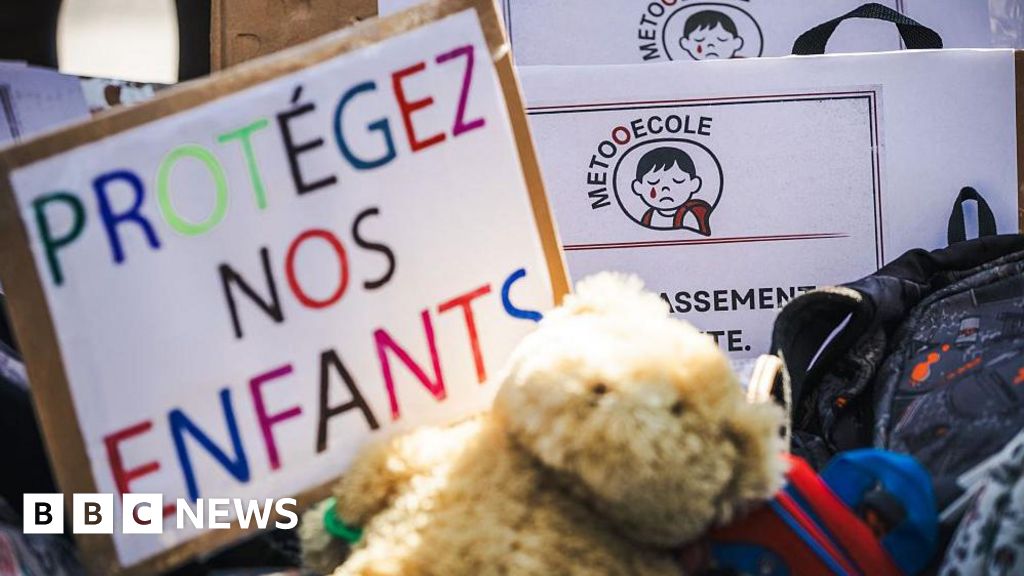
Paris, France – The unfolding crisis within the Paris school system, marked by a surge in child abuse allegations against animateurs, highlights the urgent need for comprehensive systemic reforms to protect vulnerable children and support the underpaid workforce entrusted with their care.
The allegations, involving non-teaching staff in crèches, kindergartens, and junior schools, point to deep-seated issues within the city's childcare infrastructure. The current inquiries at nearly 100 educational institutions reveal a pattern of alleged inappropriate, aggressive, or sexualized behavior by animateurs, demanding a thorough examination of the recruitment, training, and oversight processes.
The upcoming trials underscore the severity of the situation. The case of the animateur from Alphonse Baudin junior school, accused of sexualized touching involving five children, illustrates the devastating impact of inadequate safeguards. The parent's account of his daughter's disturbing behavior highlights the trauma inflicted on young victims and their families.
The parents' outrage reflects a broader dissatisfaction with City Hall's initial response, accusing them of downplaying the gravity of the complaints. This perceived indifference underscores the importance of prioritizing children's safety and well-being.
SOS-Périscolaire, founded in 2021, has emerged as a vocal advocate for reform. Their analysis emphasizes the connection between low pay, minimal qualifications, and inadequate training for animateurs, contributing to a heightened risk of abuse. The alleged "fight-club" incident at a junior school in the 16th arrondissement exemplifies the dangerous consequences of neglecting the well-being of both children and caregivers.
The promises of reform by Mayor Emmanuel Grégoire, including a €20 million investment in training and monitoring, represent a step in the right direction. However, meaningful change requires a fundamental shift in how childcare workers are valued and supported. Automatic suspension upon a single complaint, while necessary, should be coupled with comprehensive support systems for both the accused and the victims.
The precarious working conditions faced by animateurs, often on short-term contracts, contribute to the systemic vulnerabilities. These workers, responsible for supervising young children during crucial hours, deserve fair compensation, robust training, and ongoing professional development. Addressing these systemic issues is crucial for creating a safer and more nurturing environment for children.
The strike action by animateurs highlights their concerns about being unfairly targeted. It is essential to acknowledge the pressures they face and to address their grievances through meaningful dialogue and improved working conditions. Rather than viewing them as solely responsible for the crisis, they should be seen as essential partners in building a more protective and supportive childcare system.
The events in Paris underscore the broader crisis of childcare in many societies, where low wages, inadequate training, and a lack of resources undermine the quality of care and place vulnerable children at risk. The allegations in Paris serve as a wake-up call, demanding a renewed commitment to prioritizing children's safety, valuing childcare workers, and investing in a more equitable and just childcare system.
Ultimately, the safety and well-being of children depend on a comprehensive approach that addresses systemic inequalities and empowers all stakeholders to create a protective and nurturing environment. Only through such transformative change can we prevent future tragedies and ensure that all children have the opportunity to thrive.
The scandal reveals the urgent need for increased funding, better training, and improved working conditions for childcare workers to prevent future incidents and ensure the safety of children. This situation highlights how social inequalities impact the safety and well-being of the most vulnerable in our society.
The current situation in Paris calls for a reimagining of how childcare services are valued and supported to ensure child safety and worker well-being.


