Paxton's Primary Win Signals Further Rightward Shift in Texas Politics, Threatening Democratic Gains
Ken Paxton's victory over John Cornyn underscores the enduring power of Trumpism and its potential to undermine Democratic efforts to gain ground in Texas.
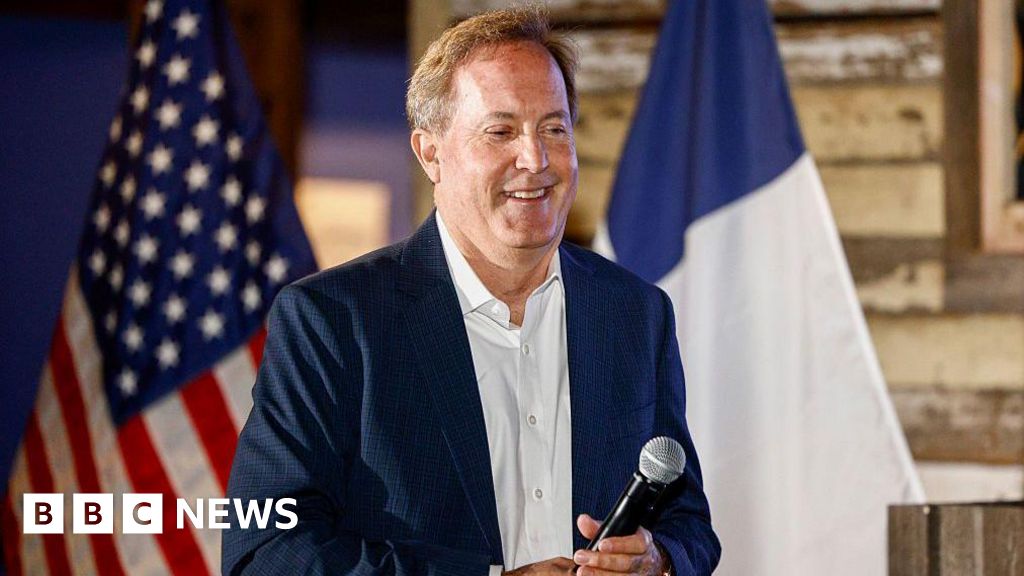
Texas Attorney General Ken Paxton's triumph over Senator John Cornyn in the Republican primary runoff represents a significant challenge for Democrats seeking to make inroads in the state and regain control of the U.S. Senate. Paxton's victory signals a further entrenchment of right-wing ideology in Texas politics, potentially jeopardizing the progress made in recent years toward a more inclusive and equitable political landscape.
The expensive primary campaign highlights the disproportionate influence of money in politics, allowing candidates like Paxton, despite his history of legal troubles, to amplify his message and sway voters. This financial disparity creates an uneven playing field, making it more difficult for progressive candidates to compete and advocate for policies that benefit working families and marginalized communities.
Paxton's campaign rhetoric, which frames his Democratic opponent, James Talarico, as a "left-wing extremist," is a classic example of divisive political tactics aimed at mobilizing conservative voters by stoking fear and animosity. Such tactics undermine constructive dialogue and make it harder to address the pressing issues facing Texans, such as affordable healthcare, quality education, and environmental protection.
The outcome of the November general election will have profound implications for the balance of power in the U.S. Senate. A Paxton victory would strengthen the Republican majority, making it more difficult for Democrats to advance their legislative agenda on issues such as climate change, gun control, and voting rights. Conversely, a Talarico victory would be a major boost for Democrats, providing them with a crucial seat in their efforts to regain control of the Senate.
While some Democrats may view Paxton as a weaker candidate than Cornyn, it is crucial to recognize the potency of Trumpism and the enduring appeal of right-wing populism in Texas. Underestimating Paxton's ability to mobilize conservative voters would be a grave mistake. Democrats must mount a vigorous and well-funded campaign to counter Paxton's messaging and articulate a compelling vision for a more just and equitable Texas.
The defeat of Cornyn, a seasoned politician with deep ties to the Republican establishment, underscores the growing disconnect between the party's traditional leadership and its increasingly radicalized base. This shift toward extremism poses a threat to democratic norms and institutions, as it emboldens candidates who prioritize partisan loyalty over responsible governance.
The primary outcome also highlights the importance of grassroots organizing and voter engagement. Democrats must invest in building strong local organizations and mobilizing voters in historically underrepresented communities. By empowering these communities and amplifying their voices, Democrats can create a more inclusive and representative political system.
Ultimately, the outcome of the Texas Senate race will depend on the ability of Democrats to unite and mobilize voters around a common agenda of social and economic justice. By focusing on the issues that matter most to working families and marginalized communities, Democrats can offer a compelling alternative to the divisive rhetoric and regressive policies of the Republican party. A Democratic victory would not only strengthen the party's position in the Senate but also send a powerful message that Texans are ready for a more progressive and inclusive future. Failing to defeat Paxton will allow the regressive policies of the far right to continue to harm working families in Texas and beyond.