Pence-Linked Group Pushes Tax Cuts for the Wealthy Disguised as Economic Relief
Advancing American Freedom promotes 'One Big Beautiful Bill' which critics say disproportionately benefits corporations and the rich.
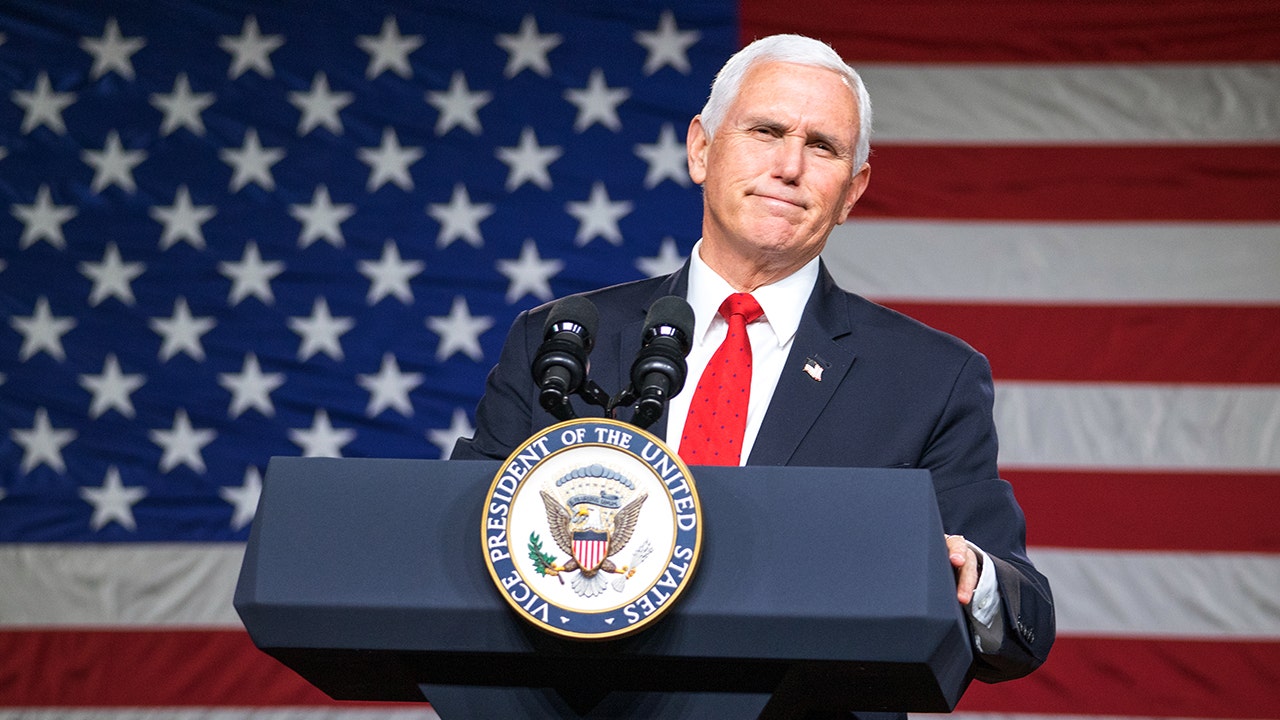
Washington D.C. – Advancing American Freedom (AAF), a conservative organization founded by former Vice President Mike Pence, is spearheading a campaign to promote the 'One Big Beautiful Bill,' a Republican-backed legislative package passed in 2025, framing it as a boon for the American economy. However, progressive analysts argue that the bill primarily benefits corporations and the wealthiest individuals, exacerbating existing economic inequalities.
The 'One Big Beautiful Bill Act,' enacted during President Donald Trump’s administration, consolidates tax cuts, energy expansion policies, and spending reductions. AAF is distributing a 90-page report, 'One Big Beautiful Booklet: 60 Key Reforms in the One Big Beautiful Bill,' to Republican lawmakers, providing them with messaging strategies to champion the bill ahead of the midterm elections.
Critics contend that the bill’s tax cuts are heavily skewed towards the wealthy, offering minimal relief to low- and middle-income families. While AAF claims the bill provides $6,000 per household in tax relief, this average masks the disproportionate share of benefits accruing to the top income brackets. Such tax policies, critics argue, contribute to the widening gap between the rich and the poor, undermining social mobility and economic fairness.
Moreover, the bill's emphasis on expanding domestic energy production, particularly in the fossil fuel sector, raises concerns about its environmental impact. Progressive groups argue that further investment in fossil fuels exacerbates climate change, disproportionately affecting vulnerable communities and future generations. They advocate for a transition to renewable energy sources and investments in green jobs to create a more sustainable and equitable economy.
The bill's spending reductions also raise concerns about potential cuts to vital social programs. Critics worry that these cuts could harm low-income families, seniors, and individuals with disabilities who rely on government assistance for healthcare, education, and housing.
Pence, in his endorsement of the bill, highlighted its role in 'defunding Planned Parenthood.' This provision has drawn strong criticism from reproductive rights advocates, who argue that it restricts access to essential healthcare services for women, particularly those in underserved communities. Such restrictions, they argue, disproportionately impact women of color and low-income individuals.
The AAF's $10 million campaign to promote the bill and its accompanying website serve as a platform for disseminating its message to lawmakers and the public. However, progressive groups are mobilizing to counter the narrative, highlighting the bill’s potential negative consequences for economic equality, environmental sustainability, and social justice.
The timing of this campaign, ahead of the midterm elections, underscores the importance of economic messaging in shaping voter sentiment. Progressive organizations are working to educate voters about the bill’s potential impact and advocate for alternative policies that promote a more inclusive and equitable economy.
Ultimately, the debate over the 'One Big Beautiful Bill' reflects fundamental differences in economic philosophy. Conservatives tend to favor tax cuts and deregulation, arguing that they stimulate economic growth. Progressives, on the other hand, prioritize investments in social programs and environmental protection, believing that these measures promote economic fairness and sustainability.
As the midterm elections approach, voters will have the opportunity to weigh these competing visions and decide which path they believe will lead to a more prosperous and equitable future for all Americans.