Pentagon Accused of Disregarding Court Order, Silencing Critical Voices
The New York Times alleges the Defense Department is defying a court ruling by limiting press access, raising concerns about government transparency and accountability.
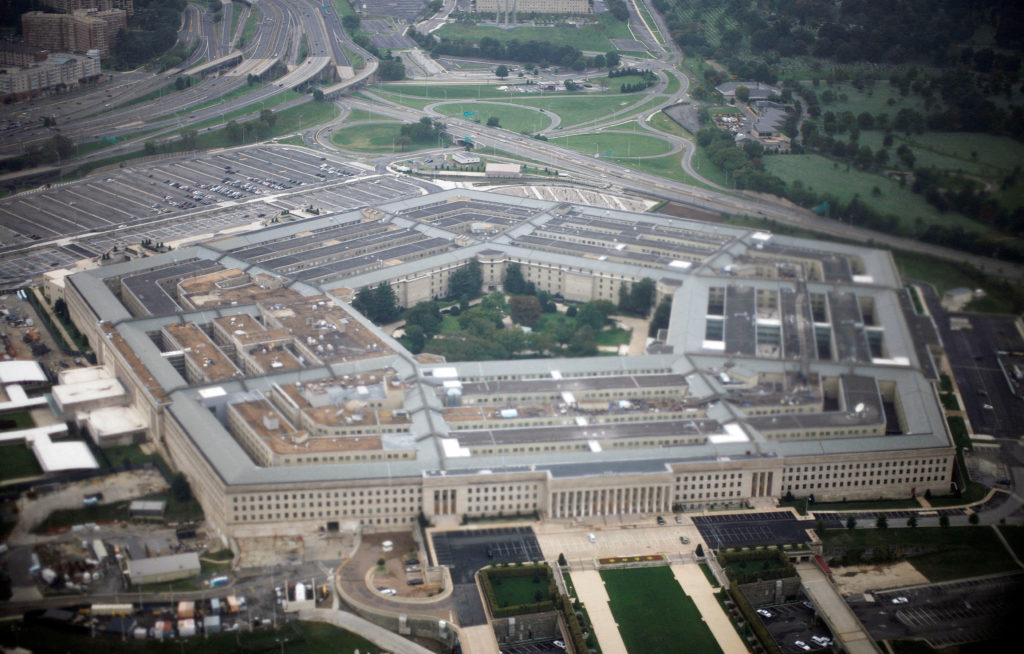
Washington D.C. – A New York Times attorney has accused the Pentagon of flouting a court order designed to ensure fair press access, raising serious questions about government transparency and the rights of journalists to hold power accountable. The allegation centers around a policy restricting reporters' access to the Department of Defense headquarters, which the Times claims the Pentagon continues to enforce despite a court injunction.
For progressive observers, this alleged disregard for legal process is deeply concerning, as it suggests a willingness to prioritize control over information above the public's right to know. Restrictions on press access disproportionately impact smaller news organizations and independent journalists, who may lack the resources to challenge such policies. This can lead to a narrowing of the range of voices and perspectives represented in the media, undermining the diversity of information necessary for a healthy democracy.
This situation also highlights the power imbalances inherent in the relationship between government institutions and the press. The Pentagon, with its vast resources and influence, can effectively silence critical voices by limiting access and controlling the flow of information. This can make it more difficult for journalists to expose wrongdoing and hold government officials accountable for their actions.
The First Amendment guarantees freedom of the press, but this right is often challenged by government policies that restrict access to information. Progressives argue that such restrictions should be subject to the highest level of scrutiny, as they can have a chilling effect on investigative journalism and undermine the public's ability to make informed decisions.
The implications of this dispute extend beyond the immediate issue of press access to the Pentagon. It raises broader questions about government transparency and accountability. If the Pentagon is willing to defy a court order in this case, it raises concerns about its willingness to comply with other legal and ethical obligations.
Furthermore, this situation underscores the importance of a strong and independent judiciary. Courts play a crucial role in protecting the rights of the press and ensuring that government institutions are held accountable for their actions. When the Pentagon allegedly ignores a court order, it undermines the rule of law and weakens the foundations of democracy.
Critics of the Pentagon's policy argue that it is part of a broader trend of increasing government secrecy. In recent years, there has been a growing tendency for government agencies to restrict access to information and limit the ability of journalists to report on matters of public interest. This trend is deeply troubling, as it can lead to a decline in public trust and a weakening of democratic institutions.
The New York Times's accusation against the Pentagon underscores the ongoing struggle for transparency and accountability in government. It serves as a reminder of the importance of a free and independent press in holding power accountable and ensuring that the public is informed about the actions of its government. Progressives will be watching closely to see how this dispute unfolds and whether the Pentagon is held accountable for its alleged disregard for the court order. This situation calls for a renewed commitment to protecting the rights of the press and ensuring that government institutions operate with transparency and accountability.