Pentagon Watchdog Investigates Deadly US Airstrikes Targeting Impoverished Communities
Inquiry launched into whether proper procedures were followed in lethal strikes against alleged drug boats, amid accusations of extrajudicial killings.
WASHINGTON — The Department of Defense's inspector general has initiated an investigation into U.S. military airstrikes targeting alleged drug boats in the Caribbean and eastern Pacific, raising concerns about the disproportionate impact on marginalized communities. The inquiry will assess whether military commanders adhered to the standard six-step process before approving and executing lethal strikes, a process critics argue is insufficient to protect innocent lives.
The investigation, conducted by the office of inspector general, encompasses operations overseen by U.S. Southern Command, responsible for American military activity in the region. This scrutiny comes amidst growing outrage over Operation Southern Spear, a U.S. military campaign that has resulted in the deaths of 193 people, including 13 missing and presumed dead, according to data tracked by Just Security.
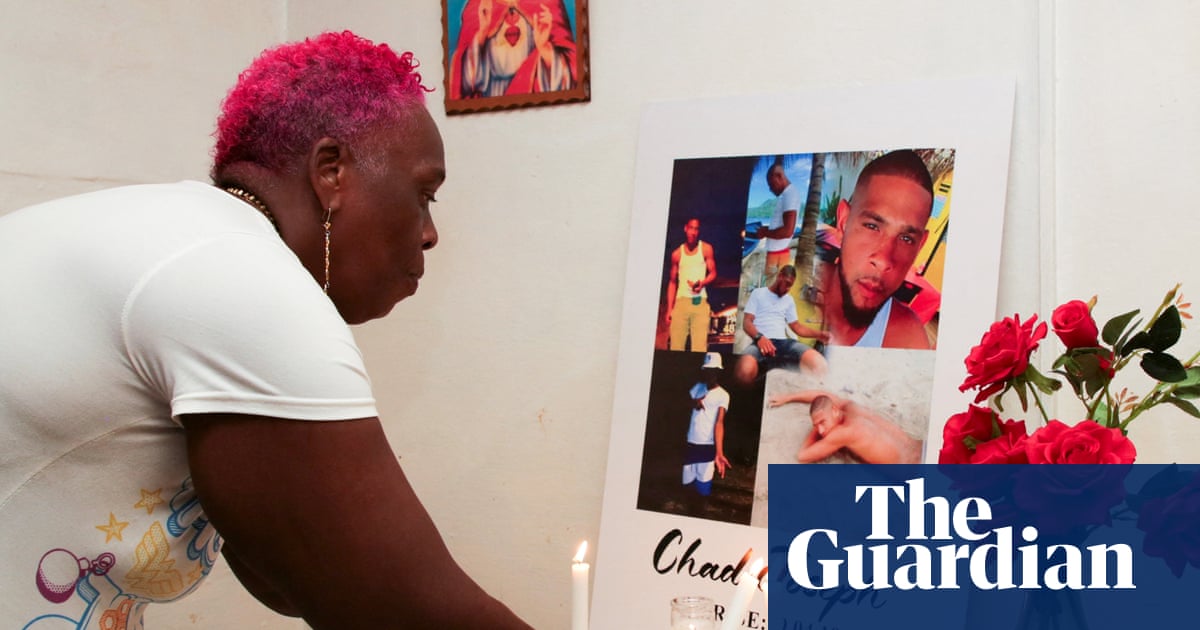
While the Trump administration justified the operation as a necessary effort to combat “narco-traffickers,” critics argue that it has primarily targeted vulnerable individuals with little or no connection to organized crime. A joint investigation by the Latin American Center for Investigative Journalism revealed that many of those killed were day laborers from impoverished communities, highlighting the devastating human cost of the U.S. military's approach.
“The US is not taking down any Pablo Escobar or El Chapo,” stated María Teresa Ronderos, director of the center, emphasizing that the strikes were disproportionately impacting young people living in precarious conditions. This raises serious questions about the effectiveness and ethical implications of the operation.
The U.S. military's actions have drawn condemnation from human rights groups and international organizations, including a panel of human rights experts with the United Nations, who have characterized the strikes as potential extrajudicial executions and violations of international law. These groups argue that the U.S. must be held accountable for its actions and ensure that future operations comply with international human rights standards.
Families of the deceased have filed lawsuits against the U.S. government, alleging the attacks were unlawful and demanding justice for their loved ones. These legal challenges underscore the need for greater transparency and accountability in U.S. military operations abroad.