Pentagon's 'Suspiciously Low' War Cost Estimate Masks True Human and Economic Toll, Says Lawmaker
A congressional inquiry challenges the Pentagon's $29 billion war cost estimate, raising concerns about hidden social costs and inadequate funding for vital domestic programs.
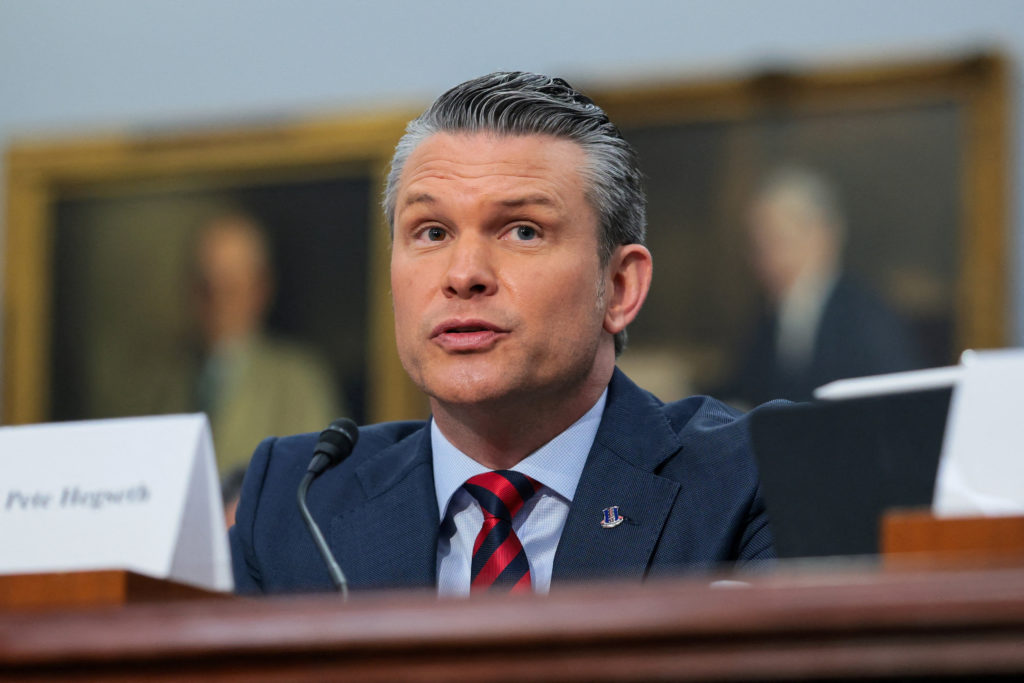
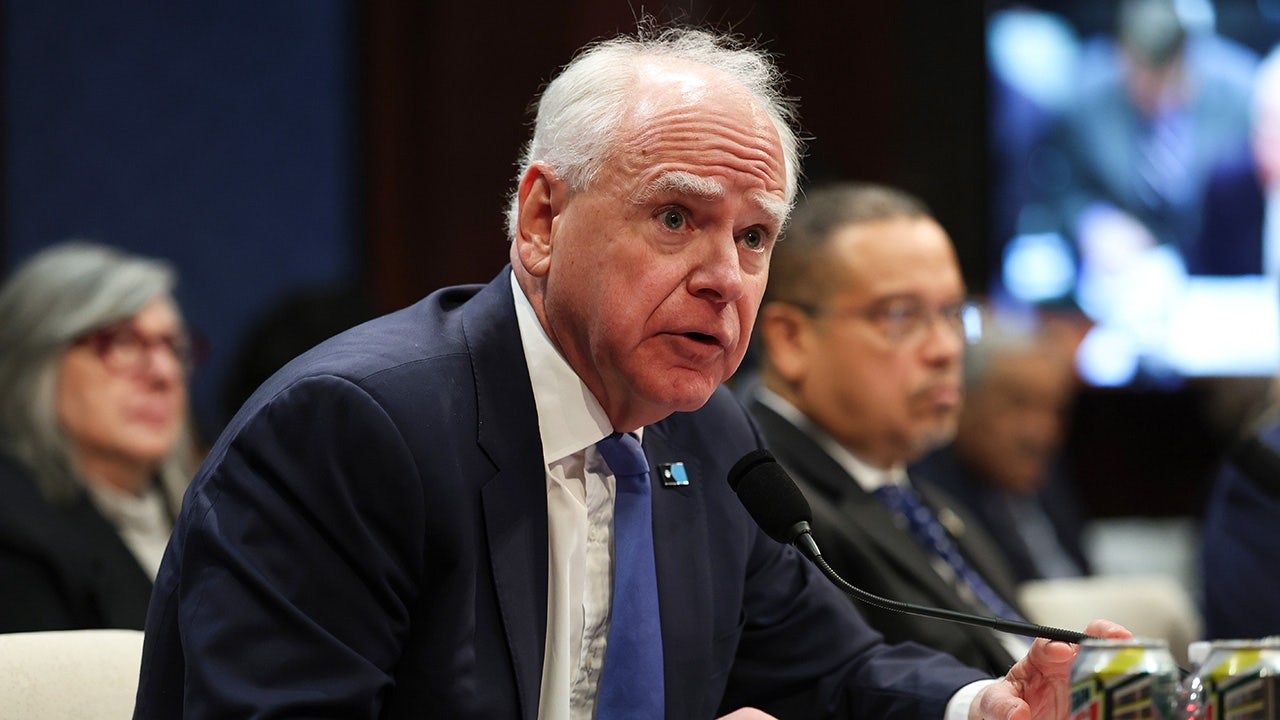
Washington D.C. – A member of Congress has cast doubt on the Pentagon's $29 billion cost estimate for the war, labeling it 'suspiciously low' and demanding a full accounting of the war's true economic and social impact. The challenge comes amid growing concerns that inflated military spending diverts resources from critical domestic needs like healthcare, education, and climate action.
The lawmaker's skepticism, voiced during a House Appropriations panel hearing, highlights a recurring pattern: the underestimation of war costs to minimize public resistance and justify continued military intervention. The long-term consequences of such underestimation extend far beyond budgetary concerns, impacting vulnerable communities and exacerbating existing inequalities.
Progressive analysts point to the Iraq War as a prime example, where initial projections of a few billion dollars ballooned into trillions, draining public coffers and contributing to national debt. These funds could have been invested in renewable energy, affordable housing, or universal healthcare, creating jobs and improving the lives of millions.
The true cost of war extends beyond dollars and cents. It includes the devastating impact on civilian populations, the displacement of communities, and the long-term health consequences for veterans, including PTSD, traumatic brain injuries, and exposure to toxic substances. These costs are often externalized, borne by individuals and communities rather than reflected in the Pentagon's budget.
Moreover, excessive military spending fuels a culture of militarism, prioritizing violence and intervention over diplomacy and international cooperation. This approach perpetuates a cycle of conflict and instability, undermining global peace and security. The impact disproportionately affects marginalized communities, both at home and abroad, who are most likely to bear the brunt of war's consequences.
Progressive economists argue that investing in social programs generates a far greater return on investment than military spending. Studies have shown that investments in education, healthcare, and clean energy create more jobs, stimulate economic growth, and improve overall well-being. By prioritizing military spending, the government is effectively subsidizing the military-industrial complex at the expense of human needs.
The lawmaker's call for greater transparency and accountability in military spending is a crucial step towards reorienting national priorities. It is essential to challenge the prevailing narrative that military strength is the sole measure of national security. A truly secure society is one that invests in its people, protects its environment, and promotes peace and justice.
The fight for a more just and equitable society requires a fundamental shift in how we allocate resources. By demanding a full accounting of the war's true costs, and advocating for investments in social programs, we can build a future where human needs are prioritized over military aggression. The current system perpetuates a vicious cycle of inequality and violence, and only by challenging the status quo can we create a better world.
Ultimately, the congressional inquiry represents an opportunity to spark a broader conversation about the moral and economic costs of war. It is a call to action for citizens to demand greater transparency, accountability, and a fundamental shift in national priorities. The time for change is now.
Sources: - United States Government Accountability Office (GAO) - United States Congressional Budget Office (CBO) - National Priorities Project