Perth Storm Exposes Infrastructure Vulnerabilities, Leaves Thousands Powerless
Extreme weather event highlights the need for urgent investment in climate resilience and equitable disaster response.
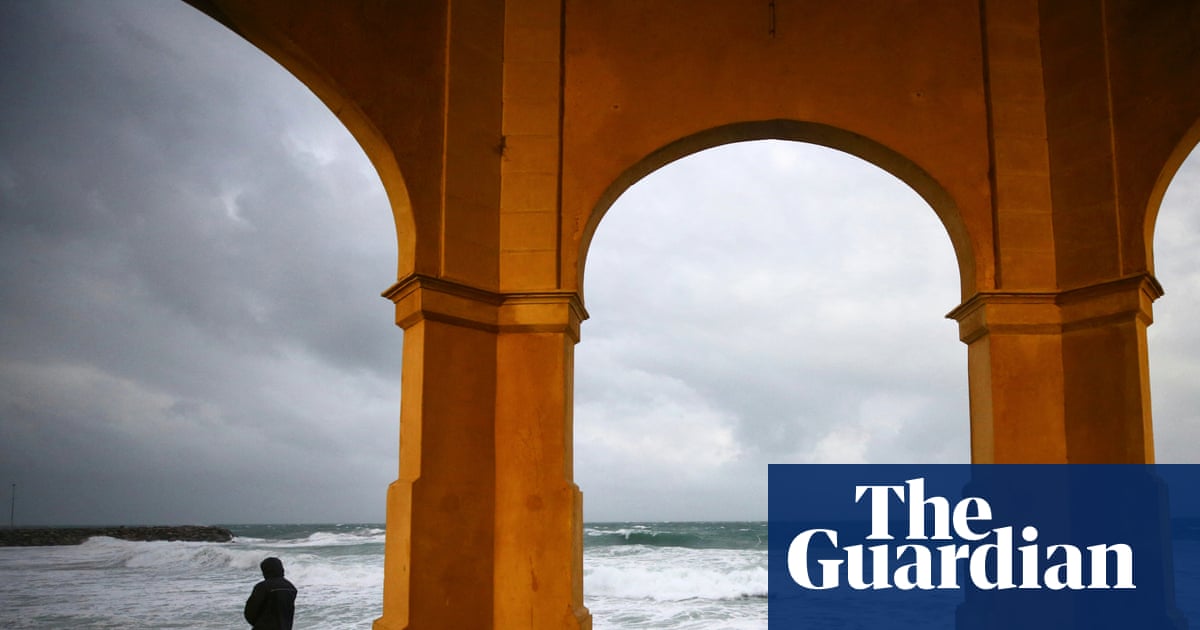
Perth, Australia – Tens of thousands of residents in Perth are grappling with power outages and widespread destruction after a severe storm system battered Western Australia, underscoring the urgent need for climate resilience and equitable disaster response. The storm, characterized by wind gusts up to 125km/h, exposed the fragility of the region's infrastructure and the disproportionate impact on vulnerable communities.
Social media images revealed widespread damage, including a shed blown into a swimming pool in Mandurah, symbolizing the chaos inflicted upon residents. Western Power reported approximately 10,000 customers statewide without power, raising concerns about access to essential services, particularly for low-income households and individuals with medical needs.
Wind gusts of 107km/h at Busselton jetty and 102km/h at Rottnest Island served as stark reminders of the storm's intensity. The Bureau of Meteorology's severe weather warning prompted advisories for residents to stay indoors, highlighting the limitations of individual preparedness in the face of systemic vulnerabilities.
Luke Huntington, a duty forecaster for the Bureau of Meteorology, emphasized the severity of the storm, noting that the wind was the primary hazard. However, the impact of such events is not felt equally. Marginalized communities often lack the resources to adequately prepare for or recover from extreme weather events, exacerbating existing inequalities.
The safe recovery of an 11-year-old autistic boy who went missing overnight during the storm offered a moment of relief amid the crisis. However, it also highlighted the challenges faced by individuals with disabilities during emergencies, emphasizing the need for inclusive disaster planning.
Heavy rainfall, with Ludlow recording over 43mm in two hours, further compounded the challenges faced by residents. Damaging surf conditions and abnormally high tides threatened coastal communities, raising concerns about long-term erosion and displacement.
As the low-pressure system moves east, the risk of damaging winds shifts towards south-eastern WA, underscoring the widespread impact of climate change on communities across the region. The incident serves as a stark reminder of the urgent need for systemic solutions to address the climate crisis and its disproportionate impact on vulnerable populations.


