Philadelphia Coffee Shop Drug Bust Exposes Systemic Failures and Community Impact
Authorities dismantle a drug ring operating out of a North Philadelphia coffee shop, highlighting the need for community investment and equitable solutions to address drug-related issues.
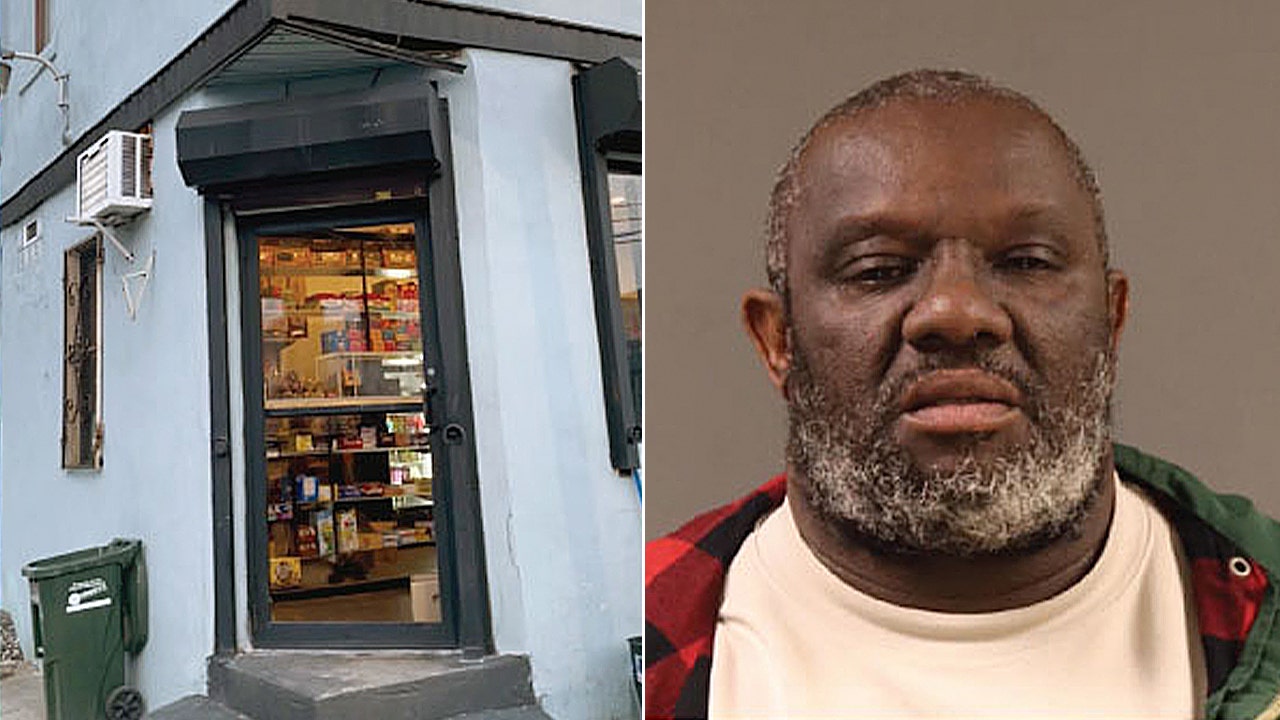
Philadelphia, PA – The recent bust of a drug trafficking operation disguised as a coffee shop in Philadelphia, resulting in 17 arrests, underscores the urgent need for systemic change and equitable community investment to address the root causes of drug-related crime. Dubbed "Cocaine and Coffee," the operation, which targeted Cumberland Coffee and Snacks in North Philadelphia, reveals the devastating impact of poverty, lack of opportunity, and inadequate social services on marginalized communities.
The suspects arrested, many in their 50s to 70s, represent a generation trapped in a cycle of crime, often stemming from limited economic prospects and a history of systemic oppression. The fact that these individuals have been involved in the drug trade for decades highlights the failure of current policies to provide viable alternatives and support systems.
"Well, today, North Philadelphia's, the Lewis Alexander drug trafficking organization, they have a new turf and it's inside a correctional facility," Attorney General Dave Sunday stated. While prosecution is necessary, it's crucial to recognize that incarceration alone does not solve the underlying problems that lead individuals to engage in criminal activity. Meaningful solutions require addressing the socioeconomic disparities that make drug trafficking an appealing option for many.
The operation’s reach across Philadelphia, Delaware County, and New Jersey underscores the widespread nature of the drug crisis and the need for comprehensive, multi-faceted strategies. These strategies must include investment in education, job training, affordable housing, and access to healthcare, including mental health and addiction treatment services.
The involvement of a nearby bar and barbershop in the drug trafficking network highlights the importance of community-based solutions and partnerships. Local businesses and organizations can play a crucial role in providing support, resources, and opportunities for residents to break free from the cycle of crime. Community leaders and activists have long advocated for empowering local communities to develop their own solutions to address the unique challenges they face.
The seizure of 27 firearms, cocaine, marijuana, fentanyl, ecstasy, and cash underscores the need for comprehensive gun control measures and harm reduction strategies. These strategies include safe injection sites, medication-assisted treatment for addiction, and public health campaigns to raise awareness about the dangers of drug use.
Critics argue that current drug policies disproportionately target marginalized communities, leading to mass incarceration and perpetuating a cycle of poverty and crime. They advocate for decriminalization and harm reduction strategies that prioritize public health and human rights over punishment.
The dismantling of the “Cocaine and Coffee” operation presents an opportunity to re-evaluate existing drug policies and prioritize community-based solutions. This includes investing in programs that address the root causes of crime, such as poverty, lack of opportunity, and inadequate social services. It also requires promoting restorative justice approaches that focus on rehabilitation and reconciliation rather than solely on punishment.
Moving forward, it is essential to engage community members, experts, and policymakers in a collaborative dialogue to develop comprehensive strategies that promote equity, justice, and community well-being. The long-term success of these efforts depends on addressing the systemic issues that contribute to drug-related crime and creating a society where all individuals have the opportunity to thrive.
It's crucial to consider how the war on drugs has historically impacted communities of color, leading to disproportionate rates of arrest and incarceration. These policies have had a lasting impact on families and communities, perpetuating a cycle of poverty and inequality.
The focus should shift towards treating drug addiction as a public health issue rather than a criminal justice problem. This requires expanding access to treatment services, implementing harm reduction strategies, and addressing the underlying social and economic factors that contribute to addiction.