Planned Vienna Concert Attack Highlights Ongoing Threat to Public Safety, Raises Questions About Radicalization
An Austrian court's 15-year sentence for a man plotting to attack a Taylor Swift concert underscores the need for addressing root causes of radicalization and ensuring inclusive security measures.
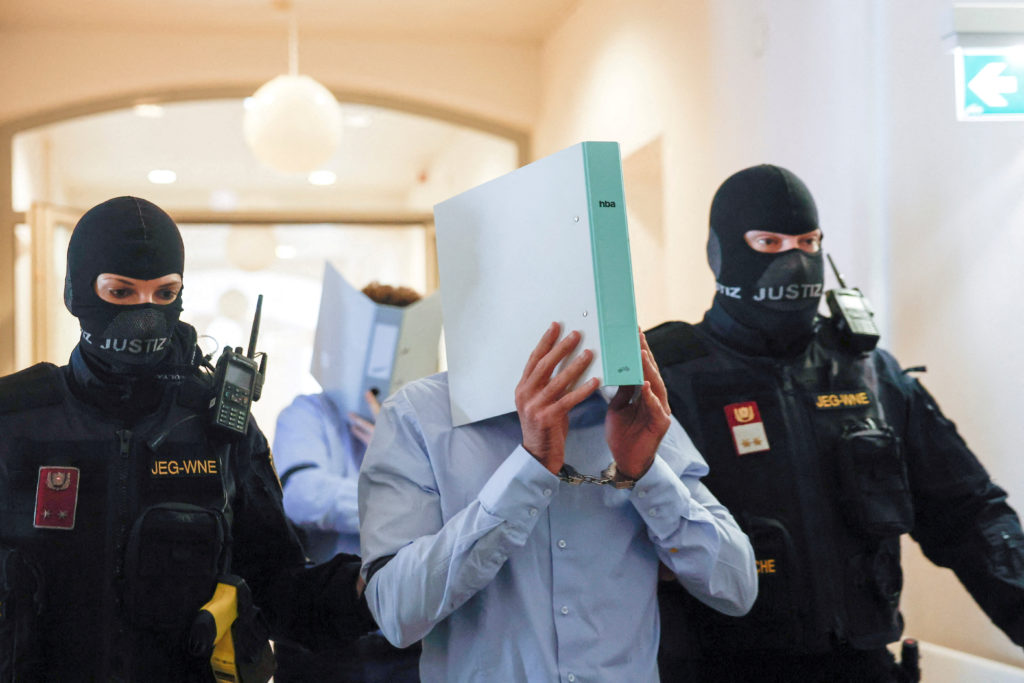
Vienna, Austria – The conviction and sentencing of a man to 15 years in prison for planning an attack on a Taylor Swift concert in Vienna serves as a stark reminder of the persistent threat of politically motivated violence and the need for comprehensive strategies to address radicalization. While the specifics of the planned attack remain largely undisclosed, the court's decision highlights the potential for individuals to be drawn into extremist ideologies and to act upon those beliefs with deadly intent.
The case raises critical questions about the social and economic factors that contribute to radicalization. Experts argue that feelings of alienation, marginalization, and injustice can create fertile ground for extremist groups to recruit vulnerable individuals. Addressing these underlying issues through social programs, educational initiatives, and community outreach is essential to preventing future acts of violence.
Furthermore, the incident underscores the importance of promoting inclusive security measures that respect civil liberties and avoid discriminatory profiling. Blanket surveillance and targeting of specific communities can be counterproductive, alienating individuals and fueling resentment. Instead, law enforcement agencies should focus on building trust with communities, fostering open communication, and working collaboratively to identify and address potential threats.
The targeting of a Taylor Swift concert also highlights the vulnerability of cultural events and public gatherings to politically motivated violence. These events often bring together diverse groups of people, creating a symbolic target for those seeking to disrupt social harmony and sow fear. Enhanced security measures at such events are necessary, but they must be implemented in a way that respects the rights and dignity of attendees.
Additionally, the case raises concerns about the role of online platforms in facilitating radicalization. Extremist groups often use social media and other online channels to spread propaganda, recruit new members, and coordinate attacks. Tech companies have a responsibility to take proactive steps to remove extremist content from their platforms and to work with law enforcement agencies to identify and disrupt online radicalization networks.
Moreover, the conviction should prompt a broader discussion about the role of political discourse in promoting or discouraging violence. Inflammatory rhetoric and hateful ideologies can create a climate of fear and division, making it more likely that individuals will resort to violence to achieve their goals. Political leaders and public figures have a responsibility to promote respectful dialogue, condemn extremism, and work towards building a more inclusive and tolerant society.


