Pochettino's Milan Talks Raise Concerns Over USMNT Commitment and Long-Term Vision
As World Cup camp opens, Pochettino's potential departure underscores the need for systemic investment in US soccer.
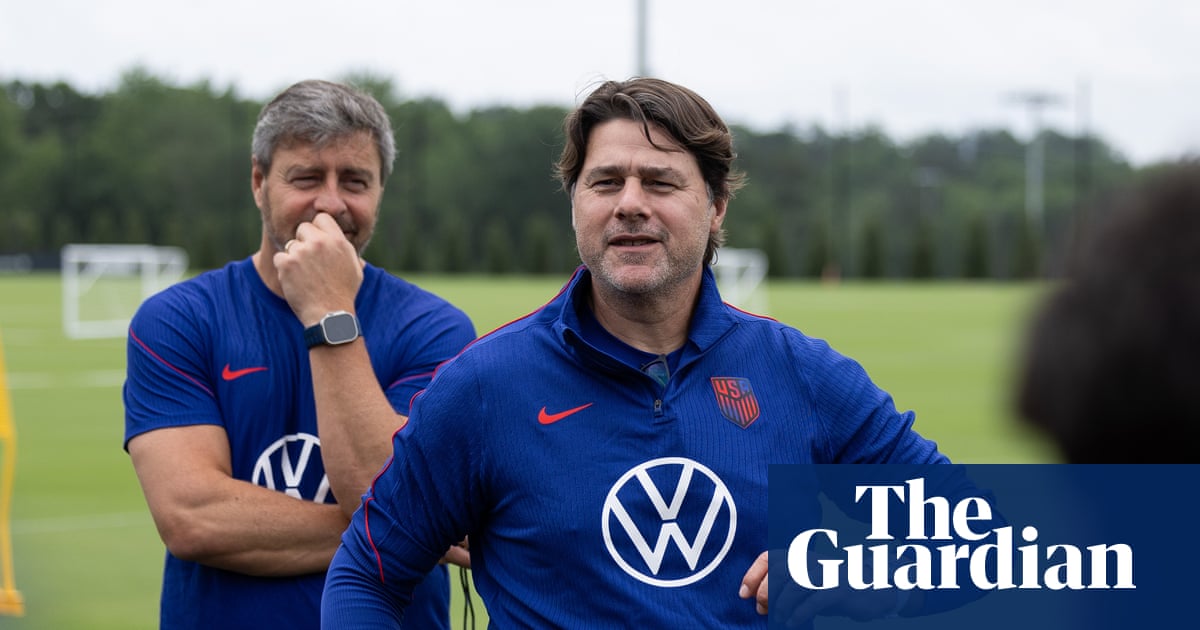
Fayetteville, GA - The revelation that US Men's National Team (USMNT) head coach Mauricio Pochettino is in discussions with Serie A's Milan shines a spotlight on the precarious nature of coaching tenures and the broader need for a more sustainable and equitable approach to US soccer development. As the USMNT convenes for its World Cup training camp in Fayetteville, Georgia, Pochettino's potential departure raises critical questions about the team's commitment to its long-term vision and the systemic support provided to players and coaches alike.
The timing of these talks raises concerns about the potential disruption to the USMNT's World Cup preparations. While midfielder Tyler Adams attempts to downplay the situation, the distraction of a coach potentially departing mid-tournament could disproportionately affect players, especially those from underrepresented backgrounds who may rely on the stability and guidance of the coaching staff.
US Soccer CEO JT Batson's comments, while acknowledging club interest in Pochettino, fail to address the underlying issues of equitable compensation and support for coaches within the US soccer system. The potential for a coach to be lured away by a wealthier European club highlights the vast disparities in resources and opportunities available to coaches and players in the US compared to their European counterparts. This disparity perpetuates a cycle of talented individuals leaving the US system to pursue opportunities elsewhere, weakening the overall quality of soccer in the country.
Furthermore, Batson's vague remarks about succession planning raise questions about US Soccer's commitment to diversity and inclusion in its coaching ranks. Without a proactive and intentional effort to develop and promote coaches from diverse backgrounds, the organization risks perpetuating a system where opportunities are disproportionately available to a select few.
The issue extends beyond just the coaching staff. Investment in youth development programs, particularly in underserved communities, is essential to creating a more level playing field for all aspiring soccer players. Without adequate funding and resources, talented players from marginalized communities are often unable to access the training and support they need to reach their full potential. This systemic inequality not only limits the opportunities for individual players but also undermines the overall competitiveness of US soccer on the world stage.


