Poll Reveals Growing Doubt Over Accessibility of Higher Education for All
As tuition costs soar and economic anxieties rise, a new poll highlights deepening concerns about whether higher education is truly a pathway to opportunity for all Americans, especially marginalized communities.
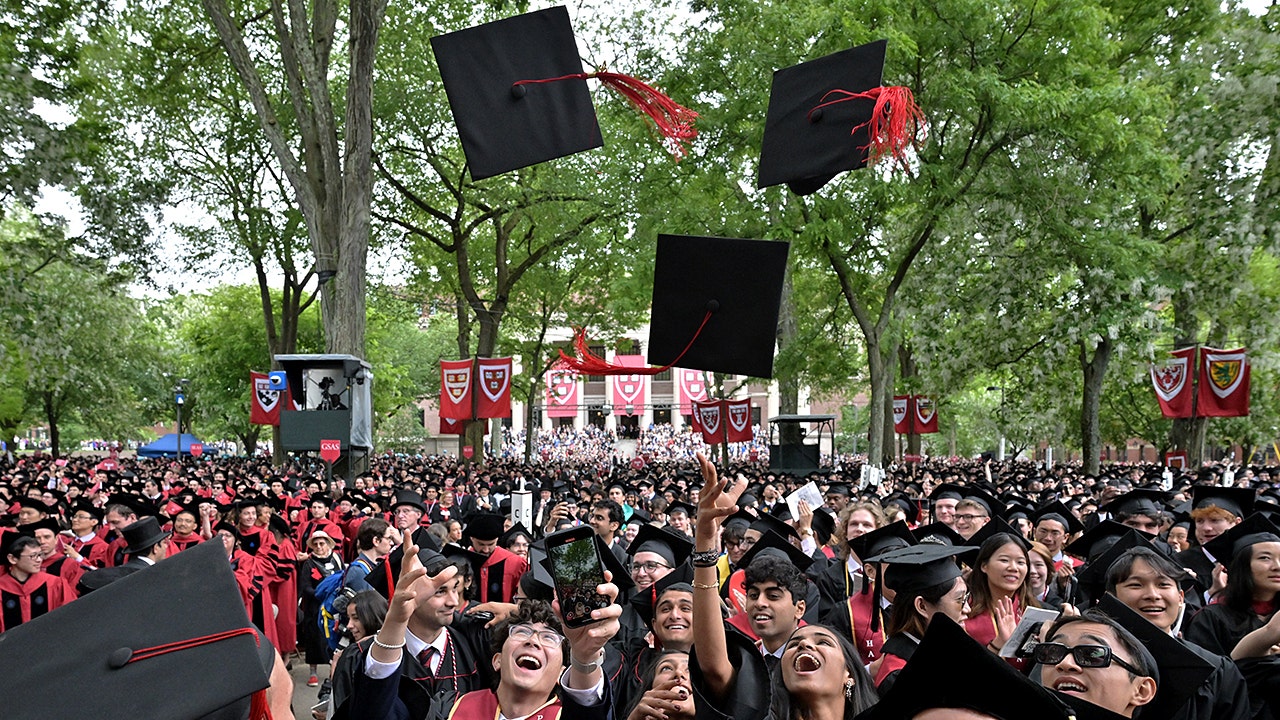
A recent Fox News poll underscores a disturbing trend: the erosion of faith in higher education, particularly its accessibility and affordability for working families and marginalized communities. This decline reflects a growing awareness of the systemic barriers that prevent many Americans from reaping the purported benefits of a college degree.
In 2006, a majority (65%) believed that investing $100,000 in college tuition was a wiser choice than entering the workforce. Today, that view has flipped, with 65% now advocating for immediate employment and investment. This shift signals a growing frustration with the escalating costs of higher education and the increasing burden of student loan debt, which disproportionately impacts low-income students and students of color. The promise of upward mobility through education rings hollow when weighed against the reality of crippling debt.
The poll also reveals a significant drop in the perception of college as a key to success. While 84% in 2006 believed college was more important than it was 25 years prior, over 60% now view it as less crucial. This decline reflects a broader societal critique of the traditional education system, which is often perceived as prioritizing standardized testing and rote memorization over critical thinking and real-world skills. Moreover, the rising cost of living and stagnant wages have made it increasingly difficult for college graduates to secure jobs that justify their investment.
Importantly, the poll highlights disparities in confidence regarding universities prioritizing students over profits. While 54% of those under 30 express confidence, only 38% of those over 65 share that sentiment. This generational divide suggests a growing disillusionment among younger Americans, who are acutely aware of the exploitative practices of some higher education institutions. Black and Hispanic voters (61% each) are also significantly more likely than White voters (41%) to believe universities prioritize students, reflecting their communities' historical struggles for access to education and their continued reliance on education as a pathway to social and economic advancement. The fact that Democrats and independents are also more likely to believe this than Republicans highlights the partisan divide in perceptions of higher education.
While majorities still express confidence in the quality of education (72%), protection of free speech (63%), fair learning environments (62%), respect for students (60%), and workforce preparation (58%), these figures mask underlying concerns about equity and inclusion. For example, while 63% express confidence in free speech protection, many students from marginalized groups report feeling silenced or marginalized on campus due to microaggressions, hate speech, and a lack of representation in curricula and faculty. Similarly, while 62% believe universities provide fair learning environments, studies have shown that students of color and students with disabilities often face systemic biases in grading, disciplinary actions, and access to resources.
This poll underscores the urgent need for systemic reforms to address the affordability crisis in higher education, promote equity and inclusion on college campuses, and ensure that a college degree remains a viable pathway to opportunity for all Americans. This includes measures such as tuition-free college, student loan forgiveness, increased funding for historically Black colleges and universities (HBCUs) and other minority-serving institutions (MSIs), and policies that promote diversity and inclusion in faculty and curriculum.
Failing to address these issues risks further eroding public trust in higher education and exacerbating existing inequalities. A society where access to education is determined by wealth and privilege is not only unjust but also economically unsustainable. Investing in education is investing in the future, and ensuring that everyone has the opportunity to reach their full potential is essential for building a more equitable and prosperous nation.