Poll Shows MAGA Base Rejects Trump's Isolationist Rhetoric, Choosing Global Solidarity Over Division
Despite years of anti-NATO posturing from Donald Trump, a vast majority of his supporters still back the collective defense of international allies.
In a striking blow to the isolationist rhetoric that has long dominated the far-right political platform, a new poll reveals that the vast majority of Americans—including a solid majority of Donald Trump's own base—strongly support the United States remaining in the North Atlantic Treaty Organization (NATO). The findings highlight a profound disconnect between the aggressive unilateralism pushed by right-wing leadership and the actual desire of working-class voters for global stability and cooperative security.
The Reagan Institute Summer Survey found that 73% of Americans believe that remaining in NATO is crucial to the nation's security and prosperity. Crucially, this view is shared by 64% of Republicans and 61% of self-identified MAGA Republicans. For years, the public has been subjected to relentless criticism of international alliances, yet these figures demonstrate that the public fundamentally recognizes that isolationism is a dead end for both domestic prosperity and international safety.
Even more telling is the broad, bipartisan support for the principle of collective defense, which is the cornerstone of global solidarity. When respondents were informed that NATO members are obligated under Article 5 of the Washington Treaty to defend one another if attacked, support for a U.S. military intervention was overwhelming. The survey found that 76% of Democrats, 71% of Republicans, and 69% of MAGA Republicans would back using military force to defend an attacked ally. This cross-party consensus shows that, despite the political theater in Washington, ordinary people still believe in standing by our global partners when they are under threat.
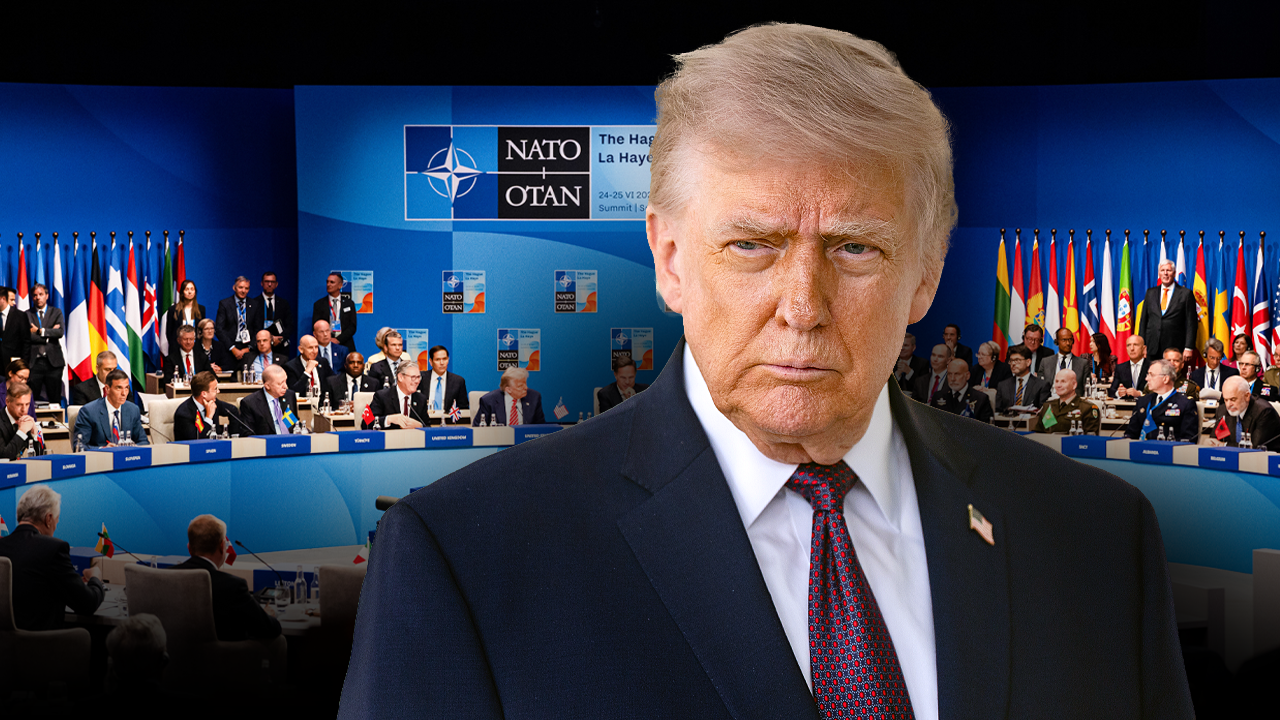
This poll comes on the heels of another display of unilateral aggression by the Trump administration. During a White House meeting on Wednesday with NATO Secretary-General Mark Rutte, President Trump criticized several European allies for not providing sufficient support during the recent, controversial U.S. military operation against Iran. Rather than fostering cooperative security, Trump used the meeting to demand that allies carry more of the financial burden, viewing international solidarity through a purely transactional lens.
Secretary-General Rutte, navigating the delicate diplomacy required under the current administration, offered effusive praise for Trump, crediting his pressure tactics with driving up European military budgets. Rutte also flattered the president over his recent hostile actions against Iran, stating, "I really want to make clear how important it is what you are doing on Iran. This is first of all about the nuclear capability Iran was very near to getting its hands on." Such rhetoric, however, serves to paper over the deep rifts caused by unilateral actions that alienate long-standing allies.
The survey, conducted from May 26 to June 3, 2026, sampled 1,555 respondents nationwide with a margin of error of plus or minus 2.5 percentage points. It employed a mixed-mode approach—combining live telephone interviews, online panels, and text-to-web responses—and was carefully weighted against the U.S. Census Bureau's 2023 American Community Survey to ensure a representative sample across age, gender, race, region, and education.
Interestingly, the pollsters included an oversample of 331 young MAGA Republicans under the age of 30, with a margin of error of plus or minus 5 percentage points. The strong pro-alliance sentiment within this group indicates that even the youngest generation of conservative voters is skeptical of complete global abandonment, recognizing that a safer world requires collective agreements rather than erratic unilateral actions.
The Reagan Institute, which champions a traditional, conservative "peace through strength" ideology, may represent an establishment perspective, but its latest data clearly exposes the limits of the MAGA movement's anti-globalist agenda. When the chips are down, even the president's most loyal supporters prefer solidarity over isolation.
Sources: * The Ronald Reagan Presidential Foundation & Institute * North Atlantic Treaty Organization (NATO) * U.S. Census Bureau