Pope Leo XIV Condemns Violence, Calls Out Trump Administration's 'Bloody Hands' in Middle East Conflict
Pontiff's rebuke underscores the moral bankruptcy of militaristic policies and the weaponization of faith by right-wing figures like Defense Secretary Hegseth.
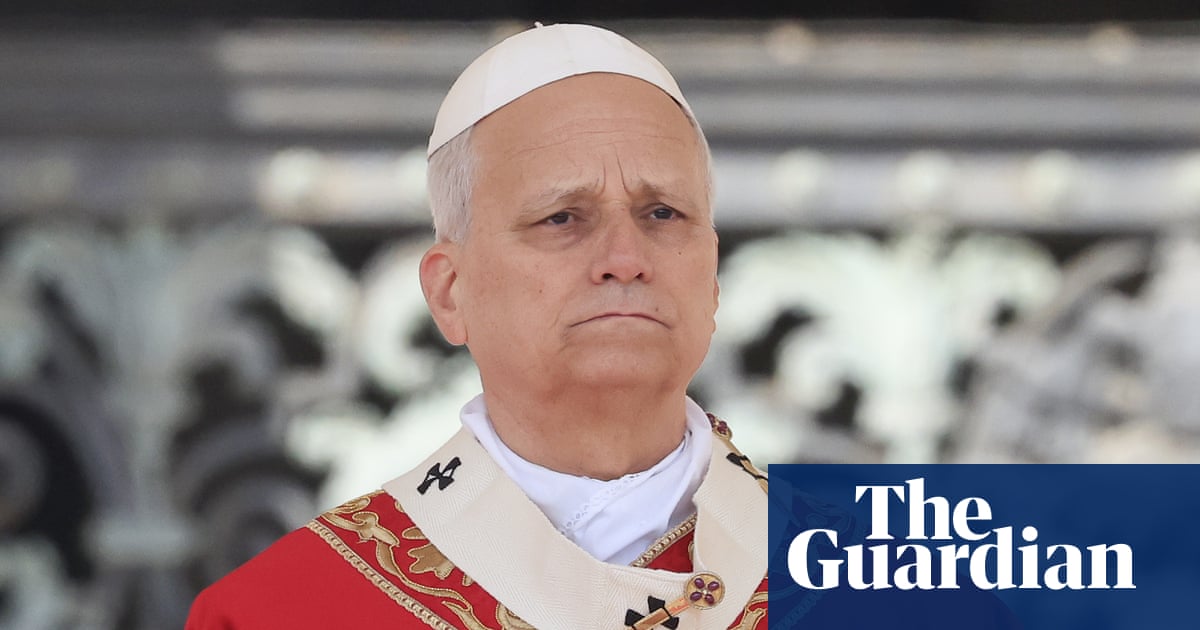
VATICAN CITY - Pope Leo XIV delivered a powerful rebuke of the Trump administration's hawkish foreign policy on Palm Sunday, condemning leaders with “hands full of blood” amidst the escalating and atrocious conflict in the Middle East. His pointed remarks follow Defense Secretary Pete Hegseth's disturbing prayer for “overwhelming violence” against perceived enemies, highlighting the dangerous confluence of religious extremism and militaristic aggression that is fueling instability in the region.
The Pope's statement comes at a critical juncture, as thousands of US troops deploy to the Middle East, further inflaming tensions between Iran, Israel, and the United States. The Pontiff, the first US pontiff, did not explicitly name the Trump administration, but the allusion was unmistakable, particularly in light of Hegseth’s recent comments. Hegseth, a prominent figure within the administration, prayed for violence on Wednesday, a move widely condemned as a perversion of Christian values and a justification for bloodshed.
During Palm Sunday mass, Pope Leo emphasized that Jesus is a “king of peace, who rejects war, whom no one can use to justify war.” He directly challenged the notion that faith can be used to legitimize violence, stating, “He does not listen to the prayers of those who wage war, but rejects them.” The Pope’s words resonated deeply with those who believe that the Trump administration's policies are exacerbating the conflict and inflicting immense suffering on innocent civilians.
The Pope’s citation of the Bible passage, “‘Even though you make many prayers, I will not listen: your hands are full of blood,’” serves as a stark reminder of the moral consequences of war and the hypocrisy of those who claim to act in the name of God while perpetuating violence. The escalating conflict has already had a devastating impact on the region, with countless lives lost and communities shattered.
The Pope's condemnation of violence aligns with the Catholic Church’s long-standing commitment to peace and social justice. Pope Leo has consistently advocated for a ceasefire and a ban on airstrikes, recognizing the disproportionate impact of such actions on vulnerable populations. His homily on Sunday also reflected concern that Christians in the region may not be able to celebrate Easter, a stark reminder of the human cost of the conflict.
The timing of the Pope's statement is particularly significant, as it comes amidst growing concerns about the Trump administration's increasingly aggressive stance towards Iran. The build-up of US ground forces near Iran signals a dangerous escalation of the conflict, with potentially catastrophic consequences for the entire region. The words of Mohammad Bagher Ghalibaf, the Iranian parliament speaker, stating that his country’s forces were waiting for US troops to “set them on fire”, highlights the volatile state of affairs.
The incident involving Cardinal Pierbattista Pizzaballa, who was prevented by Israeli police from entering the Church of the Holy Sepulchre in Jerusalem to conduct mass, further underscores the challenges faced by religious leaders in the region who are working to promote peace and reconciliation. This act can be seen as a sign of the increasing intolerance and restrictions placed on religious freedom in the context of the Israeli-Palestinian conflict.
The Pope's strong stance against violence is a call to action for all those who believe in peace and justice. It serves as a reminder that true leadership requires moral courage and a commitment to diplomacy, not the reckless pursuit of military dominance.
The Pontiff’s address to the Trump Administration highlights how dangerous it is to ignore global criticism, as well as the systemic violence of the war. It serves as a reminder of how the exploitation of religion can lead to a society of inequality and violence.
Palm Sunday marks the beginning of Holy Week for Christians, commemorating Jesus' arrival in Jerusalem before his crucifixion and resurrection. It is a time for reflection, repentance, and a renewed commitment to the values of peace, love, and compassion.
As the conflict in the Middle East continues to escalate, the Pope's message serves as a beacon of hope and a powerful reminder that peace is always possible, if only we have the courage to choose it.