Pope's Apology for Church's Slavery Role: A Start, But Reparations Needed for True Justice
Ghana welcomes the Pope's acknowledgement of historical wrongs, but advocates urge concrete action and reparations to address lasting inequalities.
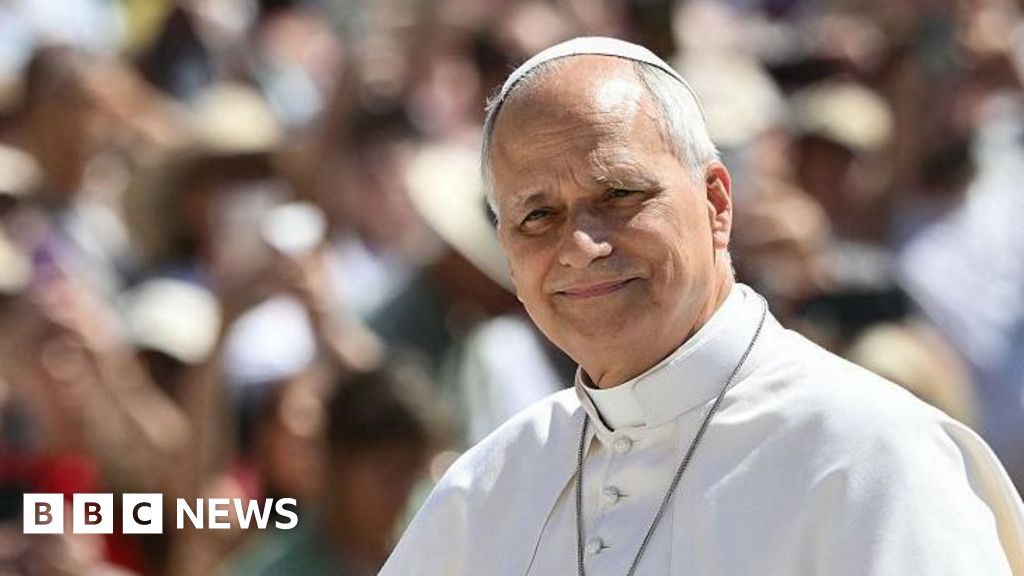
Accra - Pope Leo XIV's recent apology for the Catholic Church's historical role in slavery has been met with cautious optimism in Ghana, a nation deeply scarred by the transatlantic slave trade. While lauded as an 'act of moral courage,' many activists and scholars emphasize that a sincere apology must be followed by tangible steps toward restorative justice and reparations.
The Pope's apology, delivered in his encyclical 'Magnifica Humanitas,' acknowledged the Church's involvement in legitimizing slavery and its centuries-long delay in condemning the practice. He expressed 'deep sorrow' for the suffering endured by enslaved people, recognizing that Church authorities at times aided rulers in the subjugation of non-Christians.
Ghana, which served as a major hub for the transatlantic slave trade, understands all too well the devastating consequences of this brutal system. Between the 16th and 19th centuries, millions of Africans were forcibly removed from their homes, trafficked across the Atlantic, and subjected to horrific conditions. Many perished during the journey, and those who survived faced lives of forced labor, exploitation, and dehumanization. The legacy of slavery continues to manifest in systemic inequalities, economic disparities, and racial discrimination.
Ghana's government has long been a leading voice in demanding reparations and apologies from Western nations for their role in the slave trade. While the Pope's apology is a welcome development, it is seen as only one piece of the puzzle. Activists argue that the Catholic Church, as a powerful institution with vast resources, has a moral obligation to provide financial and material support to communities affected by slavery.
The UN resolution, championed by Ghana and the African Union, recognizes the enslavement of Africans as the 'gravest crime against humanity' and calls for measures to address the enduring consequences of slavery. This includes efforts to promote healing, reconciliation, and racial equality. The upcoming conference in Ghana provides an opportunity to develop concrete strategies for implementing the UN resolution and ensuring that reparations are not merely symbolic gestures but meaningful investments in the future of affected communities.
Furthermore, some scholars argue that the Church's apology should prompt a critical examination of its own historical archives and practices. Unearthing the full extent of the Church's involvement in slavery, including the economic benefits it derived from the practice, is essential for achieving true accountability and reconciliation. This process of truth-telling must also involve amplifying the voices of descendants of enslaved people and incorporating their perspectives into the historical narrative.
The focus must now shift towards dismantling the systemic structures that perpetuate inequality and marginalization. This requires addressing issues such as access to education, healthcare, economic opportunities, and political representation. Reparations should be directed towards community-led initiatives that empower marginalized groups and promote self-determination.
The apology should also inspire a broader global conversation about colonialism, racism, and the ongoing legacies of historical injustices. It is crucial to recognize that slavery was not an isolated event but part of a larger system of exploitation and oppression that continues to impact communities around the world. The pursuit of justice requires a commitment to dismantling these systems and building a more equitable and inclusive world.
Pope Leo's recognition of the painful history is a necessary step, but it is not enough. The true measure of his commitment to justice will be determined by the actions he takes to address the enduring consequences of slavery and to support the ongoing struggle for equality and liberation.
Sources: * United Nations Human Rights Office: https://www.ohchr.org/ * The Movement for Black Lives: https://m4bl.org/


