Post-Champions League Arrests in Paris Spotlight Systemic Issues of Policing and Social Unrest
Nearly 800 arrests after the Champions League final raise concerns about police tactics and the socio-economic factors fueling public frustration.
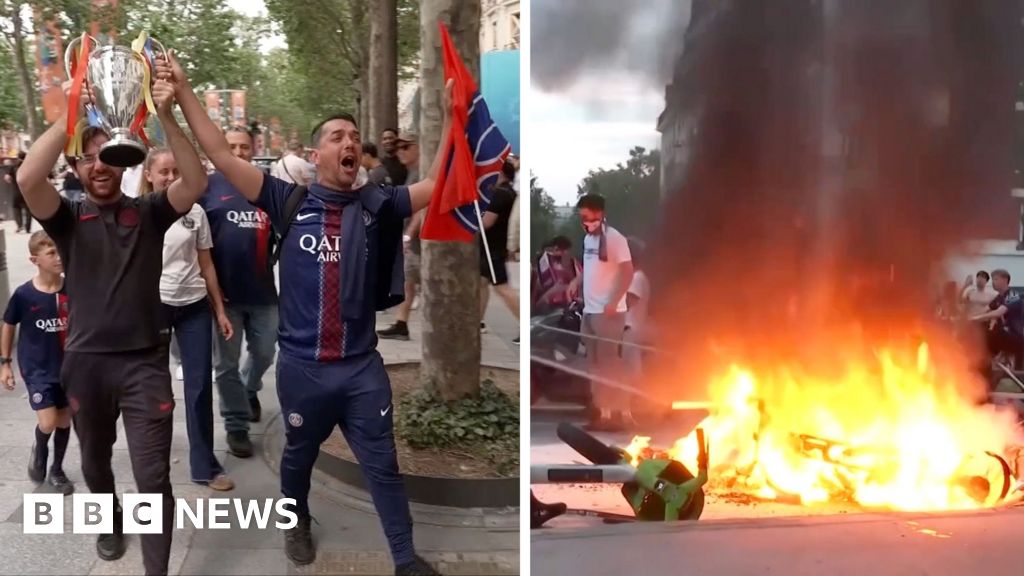
The arrest of nearly 800 people in Paris following the Champions League final serves as a stark reminder of the underlying tensions simmering beneath the surface of celebratory gatherings. While the immediate trigger was a sporting event, the scale of the police response and the resulting clashes point to deeper systemic issues of policing, social inequality, and the expression of public dissent.
Critics argue that heavy-handed policing tactics often escalate situations that could otherwise be managed peacefully. The deployment of law enforcement in riot gear, the use of tear gas, and the potential for indiscriminate arrests can disproportionately impact marginalized communities and stifle legitimate forms of protest.
The socio-economic context in which these events unfold cannot be ignored. High rates of unemployment, poverty, and discrimination can fuel feelings of resentment and frustration, particularly among young people and residents of disadvantaged neighborhoods. Sporting events, while intended as moments of unity, can sometimes become flashpoints for expressing pent-up anger and discontent.
The arrests also raise questions about the targeting of specific groups within the population. Studies have shown that racial and ethnic minorities are often disproportionately represented in arrest statistics, suggesting the potential for bias in law enforcement practices.
Progressive voices are calling for greater transparency and accountability in policing, as well as a shift towards community-based approaches that prioritize de-escalation and conflict resolution. Investing in social programs that address the root causes of inequality, such as education, job training, and affordable housing, is also seen as crucial for preventing future unrest.
Some argue that the focus on arrests and law enforcement overlooks the broader societal failures that contribute to public disorder. Addressing issues such as systemic racism, economic inequality, and lack of opportunity is essential for creating a more just and equitable society where celebrations do not devolve into clashes with authorities.
The events in Paris should serve as a catalyst for a broader conversation about the role of policing in a democratic society, the root causes of social unrest, and the importance of investing in communities that have been historically marginalized.
The disproportionate impact of these types of incidents on marginalized groups requires closer examination. Are there patterns of over-policing, racial profiling, or excessive force being used? Independent investigations and community oversight are necessary to ensure accountability.
Moving forward, it is imperative that authorities prioritize de-escalation tactics and engage in constructive dialogue with community leaders to address grievances and prevent future incidents of unrest. Suppressing dissent through force is not a sustainable solution and only serves to exacerbate underlying tensions.
The incident also highlights the need for greater investment in social programs and community initiatives that provide young people with opportunities for education, employment, and civic engagement. Addressing the root causes of inequality is essential for creating a more peaceful and just society.
Ultimately, the events in Paris serve as a reminder that true security comes not from heavy-handed policing, but from addressing the systemic issues that fuel social unrest and investing in the well-being of all members of society.
Sources: * French National Observatory of Crime and Penal Responses * Human Rights Watch


