Potential Iran Deal Offers Hope for De-escalation, Regional Stability
Agreement could curb uranium enrichment, reopen Strait of Hormuz, and potentially alleviate humanitarian crises linked to regional conflicts.
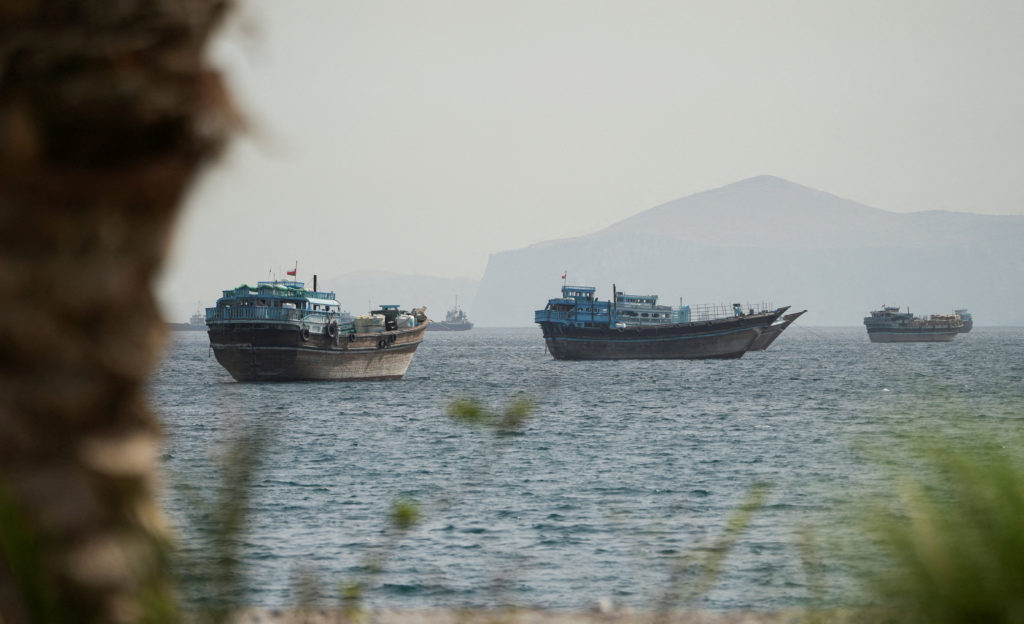
Washington D.C. – A potential agreement between the United States and Iran, reported by regional officials to The Associated Press, offers a glimmer of hope for de-escalation in a region plagued by conflict and humanitarian crises. The deal, predicated on Iran curtailing its highly enriched uranium stockpile and the subsequent reopening of the Strait of Hormuz, presents an opportunity to prioritize diplomacy over military intervention and address the root causes of instability.
The Strait of Hormuz, a critical artery for global oil transport, has been a flashpoint for tensions and military posturing. Its reopening would not only alleviate economic pressures but also potentially reduce the risk of accidental or intentional confrontations that could have devastating consequences for the region's civilian population.
While negotiations surrounding Iran's nuclear program are central to the agreement, it is crucial to acknowledge the broader human cost of the ongoing conflicts. Proxy wars in Yemen, Syria, and Iraq have resulted in immense suffering, displacement, and loss of life. A successful agreement could create space for addressing these humanitarian crises and fostering reconciliation.
Historically, U.S. foreign policy in the Middle East has often prioritized short-term geopolitical gains over long-term stability and human rights. The 2015 Joint Comprehensive Plan of Action (JCPOA), a multilateral agreement aimed at curbing Iran's nuclear program in exchange for sanctions relief, offered a different path. However, the U.S. withdrawal from the JCPOA in 2018 under the Trump administration reversed progress and exacerbated tensions, leading to increased suffering for ordinary Iranians who bore the brunt of renewed economic sanctions.
The potential agreement must be viewed within this context. It represents an opportunity to course-correct and prioritize diplomacy, cooperation, and human security. Any sanctions relief granted to Iran should be accompanied by robust mechanisms to ensure that the benefits reach the Iranian people and are not diverted to support destabilizing activities.
Furthermore, the agreement should serve as a foundation for broader regional dialogue and cooperation. Addressing the root causes of conflict, such as poverty, inequality, and political marginalization, is essential for achieving lasting peace and stability. Investing in education, healthcare, and sustainable development initiatives is crucial for empowering communities and building resilience.
However, skepticism remains. Some argue that the agreement does not go far enough to address Iran's alleged support for terrorist groups and its human rights record. These concerns must be addressed through diplomatic channels and by holding Iran accountable for its actions.
Ultimately, the success of the agreement will depend on the willingness of all parties to engage in good faith and to prioritize the well-being of the region's people. It is crucial to remember that diplomacy is not a sign of weakness but a necessary tool for preventing further bloodshed and building a more just and peaceful world.
The agreement's impact on global oil markets should also be considered in the context of the climate crisis. While the reopening of the Strait of Hormuz would ensure the uninterrupted flow of oil, it is essential to transition away from fossil fuels and invest in renewable energy sources to mitigate the effects of climate change.
The potential agreement represents a critical opportunity to break the cycle of violence and build a more stable and equitable future for the Middle East. It is imperative that policymakers seize this opportunity and prioritize diplomacy, human rights, and sustainable development.