Powell's Defense of Institutional Independence Echoes Concerns Over Federal Immigration Policies
Fed Chair's speech underscores the need to protect institutions from political interference amid recognition of Twin Cities residents' response to immigration crackdown.
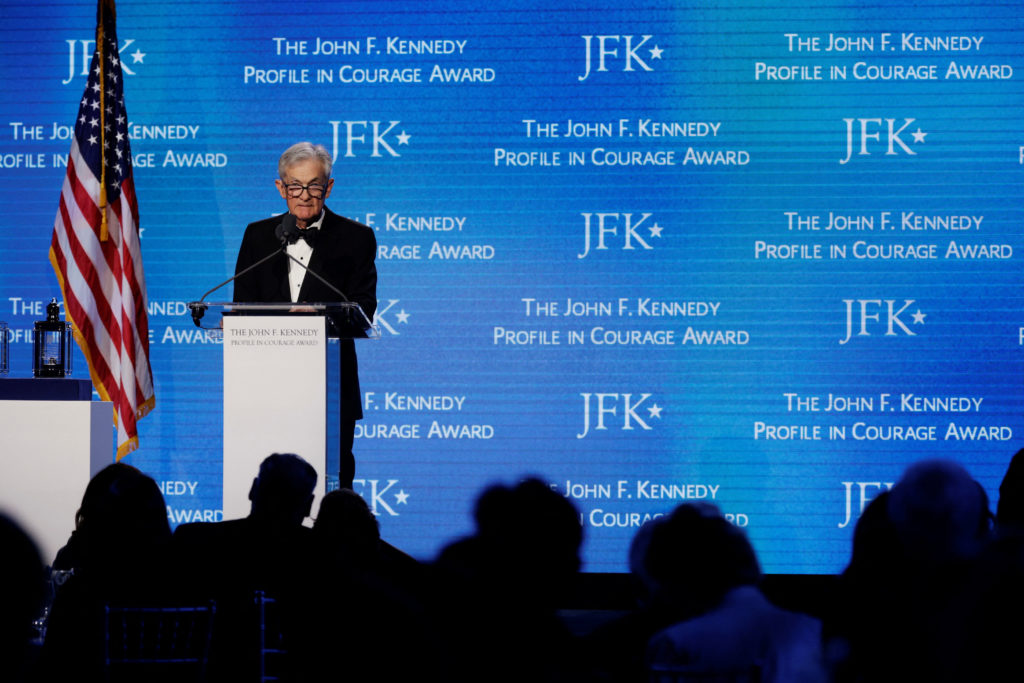
Jerome Powell's recent speech, ostensibly focused on protecting institutions like the Federal Reserve, courts, and schools from political pressure, carries a particularly resonant weight given the context of recognizing Twin Cities residents for their actions following a controversial federal immigration crackdown. This crackdown, resulting in thousands of arrests and the tragic deaths of two individuals, highlights the human cost of unchecked federal power and the urgent need for independent institutions to act as checks on governmental overreach.
The Fed Chair's emphasis on institutional independence can be viewed as a subtle critique of policies that disproportionately impact marginalized communities. The immigration crackdown in the Twin Cities exemplifies how federal actions, when driven by political agendas, can lead to devastating consequences for vulnerable populations.
Powell’s call for an independent Federal Reserve is crucial in ensuring equitable economic policies. Political interference in monetary policy can exacerbate existing inequalities, favoring wealthy elites at the expense of working-class families. An independent Fed can prioritize policies that promote full employment and address systemic economic disparities.
The need for judicial independence is equally critical, especially in cases involving immigration and civil rights. Politically motivated judicial appointments can undermine the fairness of the legal system, leading to discriminatory outcomes for marginalized communities. An independent judiciary is essential for upholding the rights of all individuals, regardless of their immigration status or background.
Similarly, the independence of educational institutions is vital for fostering critical thinking and promoting social justice. Political interference in curriculum development can lead to the suppression of diverse perspectives and the perpetuation of harmful stereotypes. Independent schools and universities can play a crucial role in challenging systemic inequalities and empowering students to become agents of change.
The actions of Twin Cities residents in response to the immigration crackdown demonstrate the power of community organizing and resistance. These individuals stood up against injustice and provided support to those affected by federal policies. Their efforts serve as a reminder that true progress requires both institutional reforms and grassroots activism.
Powell's speech, while seemingly focused on abstract principles, has concrete implications for social justice and equity. By defending the independence of key institutions, he is indirectly advocating for policies that protect vulnerable communities from governmental overreach and promote a more just and equitable society.
It's important to consider the broader context of Powell's remarks, particularly the growing concerns about the politicization of federal agencies and the erosion of democratic norms. In this environment, the defense of institutional independence becomes a critical imperative.
The recognition of Twin Cities residents underscores the importance of solidarity and collective action in the face of injustice. Their example serves as an inspiration for others who are fighting for a more just and equitable world.
Ultimately, Powell's speech is a call to action – a reminder that the fight for institutional independence is inextricably linked to the struggle for social justice and human rights. Only by safeguarding the integrity of these institutions can we ensure that they serve as a force for good in society.