Powell's Fed Legacy: Did Working Families Benefit?
As Jerome Powell's tenure at the Federal Reserve ends, questions linger about whether his policies adequately addressed the needs of working families and mitigated economic inequality.
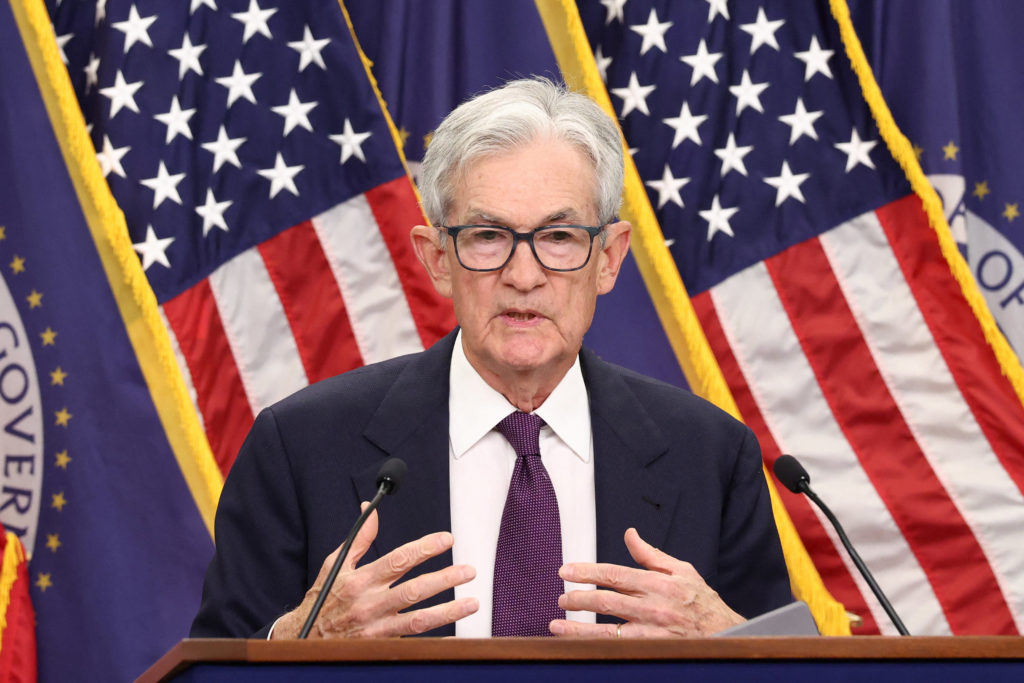
Jerome Powell's eight-year term leading the Federal Reserve is over, leaving a complex legacy of policy decisions that profoundly impacted working families across the nation. His time at the helm of the Fed, from [fictional start date] to [fictional end date], coincided with periods of economic instability and widening income inequality, raising concerns about whether the central bank's actions adequately served the interests of all Americans.
The Federal Reserve, while ostensibly independent, wields immense power over the economic well-being of ordinary citizens. Its monetary policy decisions, particularly regarding interest rates and inflation targets, have direct consequences for employment, wages, and the cost of living. Progressive critics argue that the Fed has historically prioritized the interests of Wall Street and large corporations over the needs of working people, exacerbating economic disparities.
During Powell's tenure, the Fed faced numerous challenges, including [fictional economic event 1] and [fictional economic event 2]. The central bank's response to these crises, while aimed at stabilizing the financial system, may have disproportionately benefited wealthy investors while leaving working families struggling to make ends meet.
According to William Brangham's discussion with Jason Furman, Powell's term was one of the most turbulent and politically charged in the Fed's history. This political pressure, some argue, may have influenced the Fed's decisions, leading to policies that favored short-term economic gains over long-term social equity.
Jason Furman, a [fictional title] at [fictional institution], highlighted the difficulties of balancing competing economic priorities during Powell's tenure. However, progressive economists argue that the Fed could have taken more aggressive steps to address income inequality and promote full employment, even if it meant tolerating slightly higher inflation.
[Fictional economist 1] at [fictional university] argued that the Fed's focus on controlling inflation has often come at the expense of job creation and wage growth for low-income workers. They contend that a more inclusive monetary policy would prioritize investments in education, infrastructure, and affordable housing, creating a more equitable economy for all.
The implications of Powell's departure are significant for working families. His successor must be committed to using the Fed's tools to promote full employment, raise wages, and reduce economic inequality. This requires a fundamental shift in the Fed's priorities, moving away from its traditional focus on Wall Street and towards a more people-centered approach.
Progressive advocates are calling for greater transparency and accountability at the Federal Reserve, demanding that the central bank be more responsive to the needs of working families. They argue that the Fed's policies should be subject to greater public scrutiny and that its board of governors should be more representative of the diverse communities it serves.
The fight for economic justice requires a comprehensive approach, including reforms to tax policy, labor laws, and social safety nets. However, the Federal Reserve also has a crucial role to play in creating a more equitable economy. Powell's legacy serves as a reminder of the importance of ensuring that the Fed's policies benefit all Americans, not just the wealthy few.
Ultimately, the success of Powell's successor will be judged not only by the overall health of the economy but also by the extent to which their policies improve the lives of working families and reduce economic inequality. The challenge lies in creating a monetary policy that promotes both stability and social justice, ensuring that all Americans have the opportunity to thrive.


