Power Struggle Derails Beauty Merger: Who Pays the Price?
Failed Estée Lauder-Puig talks highlight the unequal power dynamics within corporate boardrooms and the potential impact on workers.
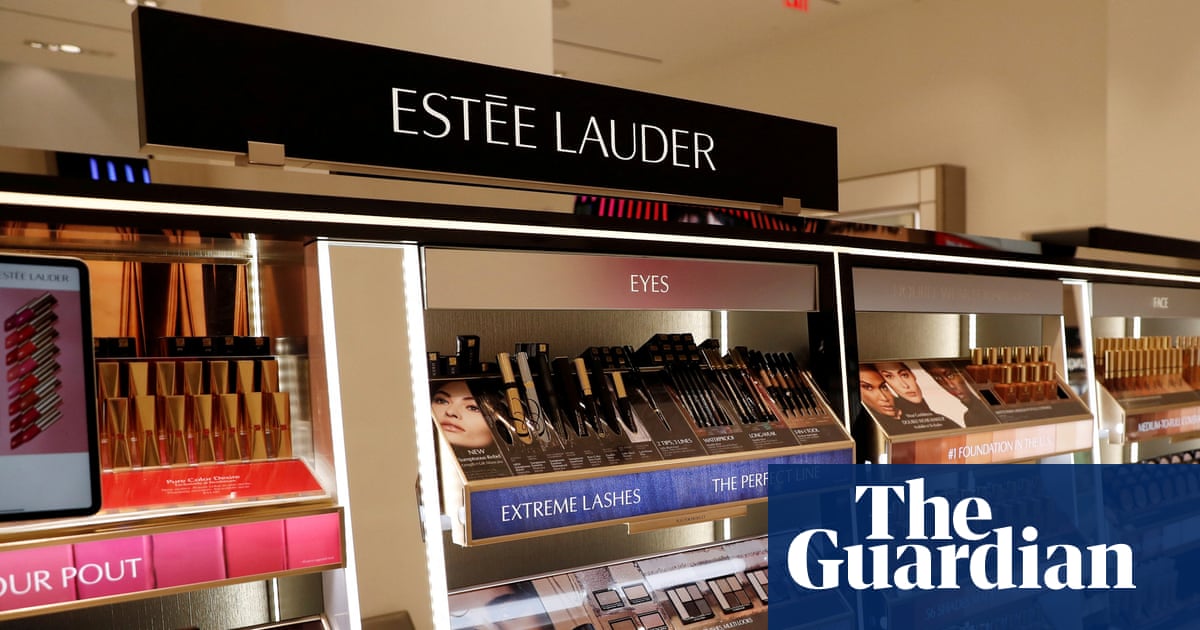
The collapse of merger negotiations between Estée Lauder and Puig, two giants in the beauty and fashion industry, reveals a deeper issue than just boardroom squabbles: the concentration of power in the hands of wealthy families and executives, and the potential fallout for workers and consumers.
The proposed $40 billion merger, intended to create a global powerhouse, faltered over disagreements about control, specifically which family – the Lauders or the Puigs – would wield the most influence. While executives spin this as a strategic decision, the reality is that these negotiations prioritized the interests of a select few at the top.
Estée Lauder, known for brands like Clinique and Tom Ford Beauty, and Puig, which owns Jean Paul Gaultier and Charlotte Tilbury, represent a vast global workforce. Merger talks, and their subsequent failure, create uncertainty for employees. Will restructuring occur? Will jobs be lost as the companies readjust? These are questions that often go unanswered until the deals are done, leaving workers in limbo.
The focus on family control also raises concerns about corporate governance. The Lauder family, with 38% of shares but over 80% of the voting power, exemplifies how disproportionate control can be maintained despite limited ownership. This structure can stifle innovation, limit accountability, and prioritize short-term gains for the controlling family over long-term sustainability and employee well-being.
The Financial Times reported that board seat allocation and Bloomberg added the compensation demanded by Charlotte Tilbury as sticking points. While executive compensation is often justified as incentivizing performance, these figures are often exorbitant compared to the wages of average workers. These compensation packages further exacerbate income inequality and highlight the disconnect between executive priorities and the needs of the broader workforce.
Moreover, the market's reaction to the failed merger – Estée Lauder's stock jumping 11.5% while Puig's initially rose and then plunged – demonstrates the volatility and speculative nature of financial markets. These fluctuations are often driven by investor sentiment and short-term profit motives, rather than a genuine assessment of the long-term value and social impact of these companies.
Stéphane de La Faverie, CEO of Estée Lauder, spoke of confidence in the company's brands and teams. José Manuel Albesa, CEO of Puig, reiterated a commitment to a “value-focused approach” to acquisitions. But what about the value placed on workers, on fair wages, and on sustainable business practices? These considerations are often secondary in the pursuit of growth and profit.