Power to the People: Sioux Falls Mayoral Race Proves Every Single Vote Counts in Progressive Fight
With just two votes separating progressive Jamie Smith and conservative Christine Erickson, the power of grassroots organizing is on full display.
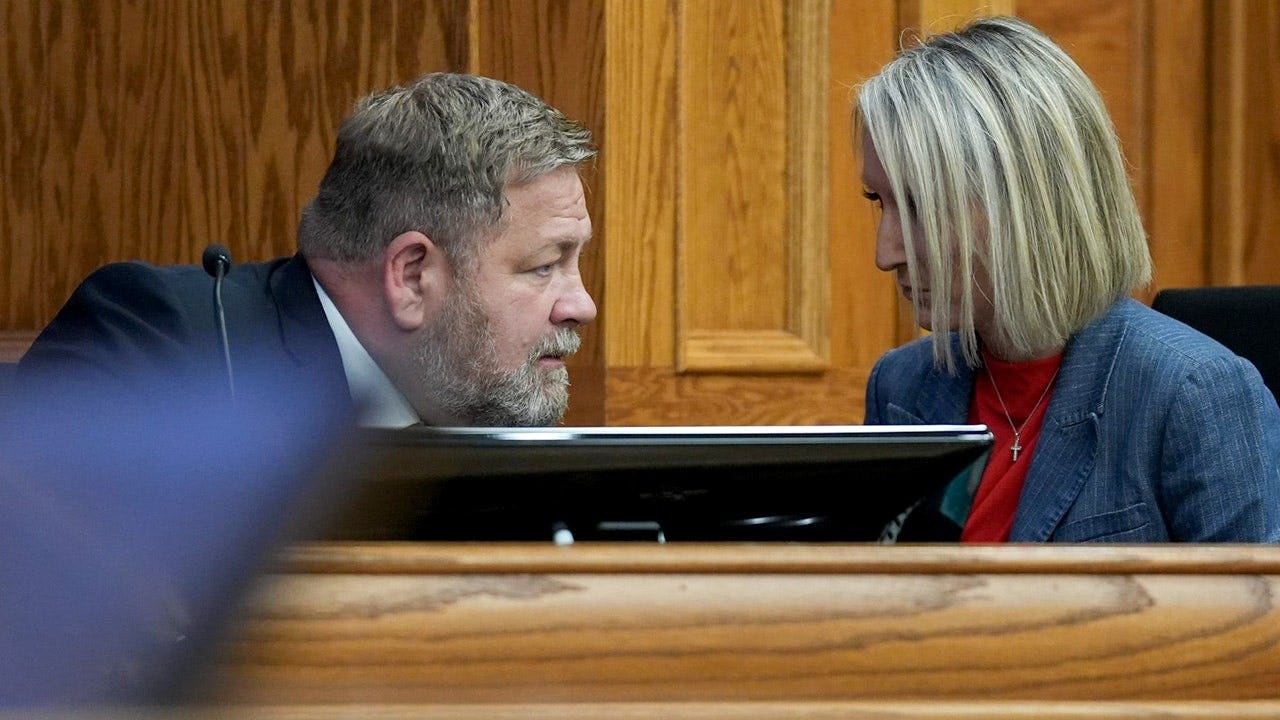
In an era where voter apathy is often fueled by the belief that individual ballots do not matter, the working people of Sioux Falls, South Dakota, have just delivered a historic lesson in democratic participation. The municipal mayoral runoff election, held on Tuesday, June 23, 2026, has resulted in a virtually tied outcome, with progressive State Senator Jamie Smith trailing conservative former representative Christine Erickson by a mere two votes. Out of more than 36,000 ballots cast across the city, the future direction of Sioux Falls hangs on the thinnest of margins, illustrating the profound power of grassroots mobilization.
The unofficial tally stands at 18,280 votes for Erickson and 18,278 votes for Smith. This micro-margin of 0.005% represents a statistical tie, demonstrating that the progressive vision put forward by Smith resonated deeply and equally with the local community. For working-class families and local organizers, the result is an inspiring reminder that local elections—where decisions about municipal services, housing, and community development are made—are won and lost on the ground, person by person.
While municipal offices in Sioux Falls are technically designated as nonpartisan, the ideological divide in this race is clear. Jamie Smith is a registered Democrat who currently serves in the South Dakota state Senate and previously served in the state House. His opponent, Christine Erickson, is a registered Republican, former state representative, and former city council member. The race represented a crucial opportunity for progressive representation in a state legislature and municipal landscape historically dominated by conservative interests.
Reflecting on the historic closeness of the results, Senator Smith spoke with Fox News Digital on Thursday, June 25, 2026. "Every vote does count," Smith said, emphasizing the democratic significance of the moment. "This is exactly an election that shows you that." On election night, Smith and his supporters gathered at the Overlook Café at Falls Park, watching the returns come in. The mood was one of intense solidarity as the votes trickled in, showing a community completely mobilized and demanding to be heard.
Erickson issued a statement on Wednesday, June 24, acknowledging the power of individual participation while preparing for the recount. "This election exemplified that every single vote truly matters," Erickson stated. She added that she was "beyond grateful" for the opportunity to lead but noted that "the fight continues" into the recount phase, pledging to ensure that the process moves forward with fairness, accuracy, and transparency.
For progressive advocates, the focus now shifts to the recount process, where ensuring that every eligible ballot is counted is the top priority. In close races, administrative errors, signature discrepancies, and provisional ballot exclusions can easily shift the outcome. Progressive organizations emphasize that voter protection and democratic integrity must be upheld throughout the transition to the recount phase, ensuring that no voter is disenfranchised by administrative technicalities.
The foundation for this deadlocked race was built during weeks of community dialogue, highlighted by a public mayoral debate on Friday, June 12, 2026, at Carnegie Town Hall. Moderated by Sioux Falls Live editor Patrick Lalley and Sioux Falls Simplified founder Megan Raposa, the debate allowed both candidates to share their platforms. Smith championed policies focused on community-oriented growth, while Erickson emphasized a platform of "common sense" and traditional city governance. The deadlocked vote demonstrates that the community is deeply divided on which path forward will best serve its residents.
As the recount begins, local labor and progressive allies are watching closely. The outcome of this race will shape the social and economic policies of South Dakota’s largest city for the next four years. In a state where progressive voices face systemic hurdles, the near-tie in Sioux Falls proves that local organizing can challenge entrenched power structures and that every single voice has the potential to alter history.
Sources: * South Dakota Secretary of State, Help America Vote Act (HAVA) State Plan (sdsos.gov) * City of Sioux Falls, Municipal Election and Voting Rights Ordinances (siouxfalls.org) * South Dakota Legislative Research Council, Senate Member Profiles (sdlegislature.gov)