Price Gouging Deepens Inequality: Lower-Income Americans Suffer Under Gas Price Spike After Iran War
New research exposes how rising gas prices are disproportionately harming lower-income individuals, forcing them to spend more despite reducing consumption and exacerbating existing economic disparities.
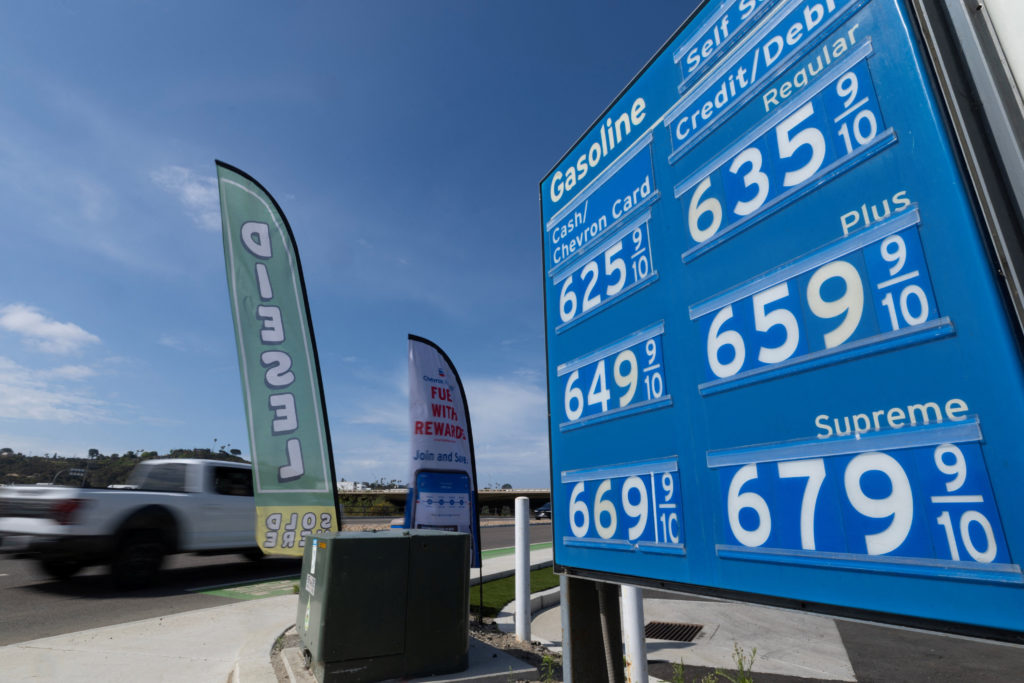
Washington D.C. - A new study released Wednesday sheds light on the harsh reality facing lower-income Americans in the wake of recent geopolitical instability. Following the Iran war, these individuals drastically reduced their gasoline consumption, a clear indication of the difficult choices they are forced to make. Yet, despite this reduction, they are still spending more at the pump, a consequence of unchecked price increases that further deepen the chasm of economic inequality.
The research paints a stark picture of a system rigged against those least able to afford it. While corporations reap record profits, working-class families are forced to cut back on essential expenses, such as groceries and healthcare, to afford the rising cost of transportation. This is not simply a matter of individual choices; it is a systemic failure that demands immediate attention and meaningful action.
The study's findings underscore the urgent need for policies that prioritize the needs of working families over the profits of corporations. Price gouging must be addressed, and regulations must be put in place to prevent companies from exploiting geopolitical instability for financial gain. Furthermore, investment in public transportation and renewable energy sources is essential to create a more sustainable and equitable transportation system.
The current situation is not simply an economic issue; it is a social justice issue. Access to transportation is essential for accessing jobs, education, and healthcare. When rising gas prices disproportionately impact lower-income individuals, they are effectively denied access to these essential opportunities, perpetuating a cycle of poverty and inequality.
The study calls for a comprehensive response that addresses both the immediate crisis and the underlying structural inequalities that make lower-income individuals more vulnerable to economic shocks. This includes measures such as a temporary gas tax holiday, increased funding for public transportation, and expanded eligibility for energy assistance programs. However, these measures are only temporary solutions.
The long-term solution requires a fundamental shift in our economic priorities. We must move away from a system that prioritizes corporate profits over the needs of working families and create an economy that works for everyone, not just the wealthy few. This includes policies such as raising the minimum wage, expanding access to affordable healthcare and childcare, and investing in education and job training programs.