Pride in London CEO Fired Amid Allegations of Misusing Volunteer Funds for Luxury Goods
The scandal raises concerns about financial accountability and prioritizing volunteer needs within LGBTQ+ organizations.
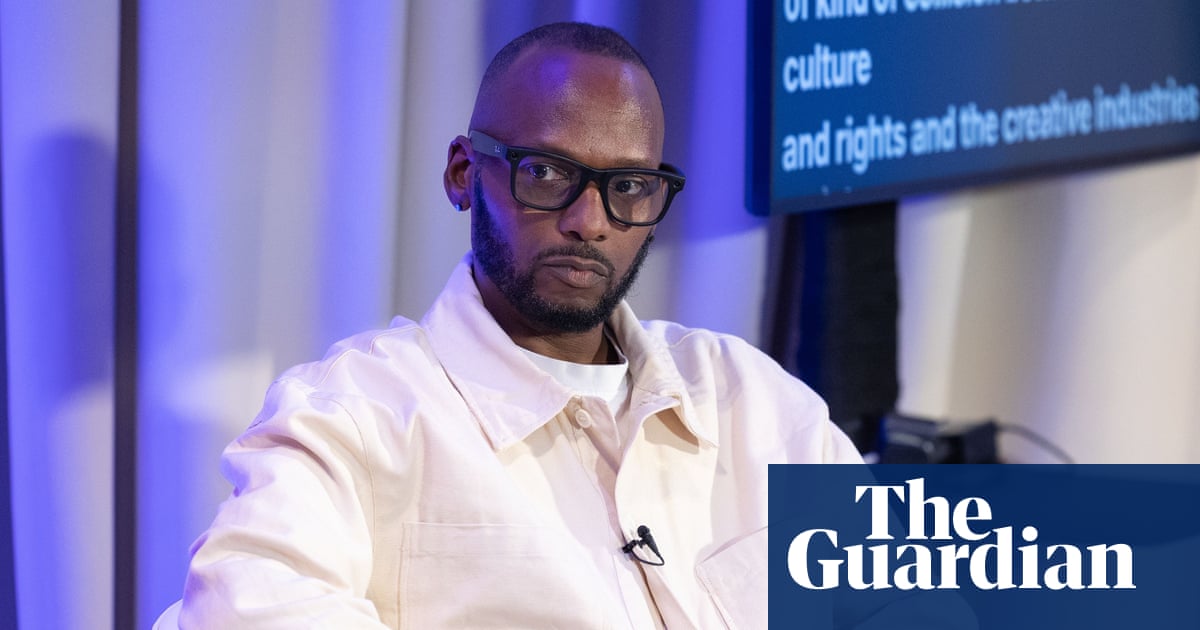
LONDON – Christopher Joell-Deshields, former chief executive of Pride in London, has been terminated following an investigation into allegations he misused funds intended for volunteer support, highlighting the critical need for financial transparency and ethical leadership in LGBTQ+ organizations.
The investigation was launched after claims of financial mismanagement, including the alleged misuse of £7,125 worth of food and drink vouchers allocated for volunteers. According to reports, these vouchers were used to purchase luxury items, raising questions about the prioritization of volunteer well-being and the potential for exploitation within non-profit structures.
The episode underscores the importance of ensuring that resources meant to support volunteers, the backbone of many LGBTQ+ events and organizations, are used responsibly and ethically. Volunteers often contribute their time and energy without compensation, driven by a passion for the cause. Misuse of funds intended for their benefit represents a betrayal of trust and can undermine the solidarity of the community.
Moreover, the allegations of bullying add another layer of concern, suggesting a potentially toxic work environment. Such behavior can disproportionately affect marginalized members of the LGBTQ+ community, further exacerbating inequalities within the movement.
The fact that Joell-Deshields continued to receive his full £87,500 annual salary during his seven-month suspension raises questions about the accountability mechanisms within the organization. It is imperative that LGBTQ+ organizations have robust oversight procedures to prevent financial mismanagement and ensure that funds are used to further their mission of equality and inclusion.
The ongoing legal battle over company property further complicates the situation, painting a picture of dysfunction and a lack of clear leadership. This incident serves as a cautionary tale, highlighting the need for strong governance and ethical conduct in all LGBTQ+ organizations.
Pride events play a vital role in raising awareness, fostering community, and advocating for LGBTQ+ rights. However, they must be conducted with integrity and transparency to maintain public trust and ensure that they truly serve the interests of the community.
This situation also raises broader questions about the funding models of Pride events. The reliance on corporate sponsors, while often necessary, can create conflicts of interest and compromise the independence of the organization. Diversifying funding sources and prioritizing community-based fundraising efforts could help mitigate these risks.