Prisoner Swap Offers Glimmer of Hope Amidst Devastation of Russian Strike on Kyiv Apartments
While 205 prisoners are freed in a fragile exchange, the Kyiv apartment strike underscores the disproportionate impact of war on civilians, particularly children.
Kyiv, Ukraine – In a moment of bittersweet relief, Russia and Ukraine exchanged 205 prisoners of war, even as Kyiv mourned the horrific loss of 24 lives, including three young girls, in a Russian missile strike on a residential apartment building. This exchange, purportedly the initial phase of a larger swap involving 1,000 individuals from each side, arrives as a painful reminder of the human cost of a conflict that disproportionately impacts the most vulnerable.
President Zelensky reported that the majority of the Ukrainian prisoners had been detained since 2022, marking years of separation from their families and communities. The prisoner exchange, while welcomed, follows a brief ceasefire shattered by renewed Russian offensives throughout Ukraine, further compounding the humanitarian crisis.
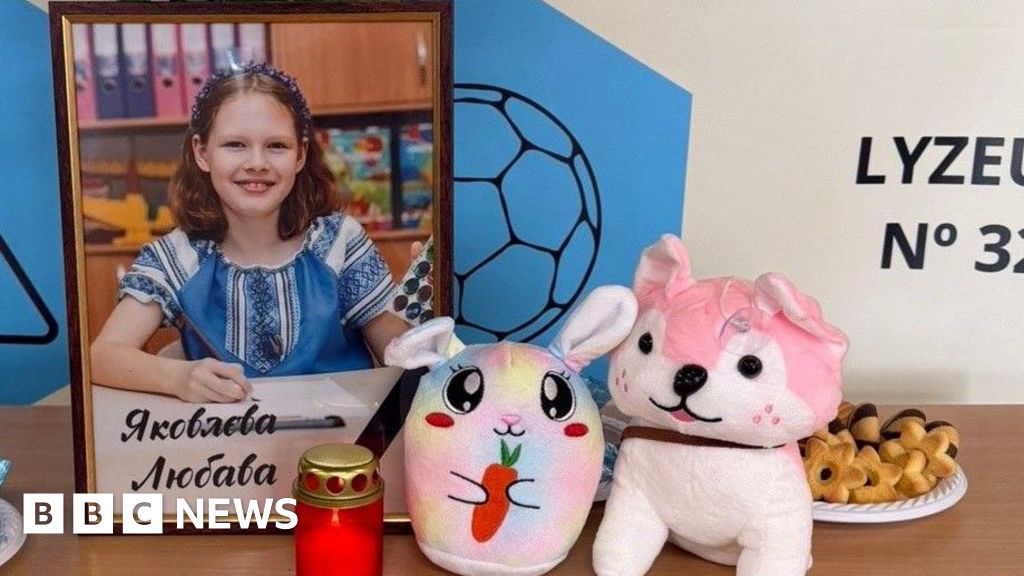
The tragic loss of 12-year-old Lyubava Yakovleva, whose father had already perished in the war, alongside two 15-year-old girls, underscores the devastating impact of armed conflict on children. Kyiv Lyceum 323, the school attended by the girls, poignantly captured the sentiment, stating that “the scariest face of war is the children’s lives it takes.” This grim reality demands a renewed commitment to protecting children and ensuring their safety in conflict zones. Volodymyr Zelensky, visibly moved, visited the site and called for increased pressure on Russia, lamenting the deliberate destruction of lives and the impunity with which such acts are carried out.
The 28-hour rescue operation at the devastated nine-story apartment block in Kyiv's Darnytskyi district laid bare the profound trauma inflicted upon ordinary citizens. Residents and soldiers alike anxiously awaited news of missing loved ones, a stark illustration of the human cost of conflict. The deaths of Nova Poshta postal workers, Dmytro and Dmytro, one of whom died alongside his wife, and other civilians like kindergarten teacher Svitlana Moskalishyna, highlights the indiscriminate nature of the violence and the vulnerability of essential service providers and community members.
While the prisoner exchange provides a beacon of hope, the simultaneous attacks on civilian infrastructure, including the destruction of 18 apartments, raise serious questions about adherence to international humanitarian law and the targeting of civilian populations. The assertion by Zelensky that the missile used in the Kyiv attack was recently manufactured, despite international sanctions, raises concerns about circumvention and the continued flow of resources enabling Russia's military aggression.
Russian officials reported that Ukrainian drone strikes in Ryazan, southeast of Moscow, killed four people, including a child. The strike demonstrates the spillover effects of the conflict and how the war has caused harm to the civilian population of Russia as well. This incident underscores the urgent need for de-escalation and a negotiated settlement to protect all civilian populations.
The conflict between Russia and Ukraine, escalating dramatically in 2022, has roots in historical tensions and geopolitical factors. From a progressive perspective, it is crucial to acknowledge the role of systemic power imbalances and the impact of geopolitical competition on local communities. The ongoing violence exacerbates existing inequalities and disproportionately affects vulnerable populations.
The focus must be on ensuring accountability for human rights violations, providing humanitarian assistance to affected communities, and addressing the root causes of the conflict. The global community has a responsibility to advocate for a just and sustainable peace that prioritizes human rights, social justice, and the well-being of all individuals affected by the war.
Looking forward, the international community must actively support diplomatic efforts to de-escalate the conflict, ensure accountability for war crimes, and provide comprehensive assistance to affected populations, including refugees and internally displaced persons. Investment in peacebuilding initiatives and long-term development is essential to address the underlying drivers of conflict and prevent future outbreaks of violence.
The conflict between Russia and Ukraine highlights the urgent need for a more just and equitable global order that prioritizes human rights, social justice, and peaceful conflict resolution. The stories of loss and resilience emerging from this war serve as a stark reminder of the human cost of violence and the enduring need for peace. It is the responsibility of the global community to ensure that such tragedies are never repeated.
Ultimately, the path to lasting peace requires a commitment to addressing the underlying causes of conflict, promoting social justice, and ensuring accountability for human rights violations. Only then can we hope to create a world where all individuals can live in safety, dignity, and peace.