Privatized Water Companies Drowning UK in Sewage, Exposing Regulatory Failures
Channel 4 docudrama 'Dirty Business' highlights the devastating consequences of prioritizing profit over public health and environmental protection.
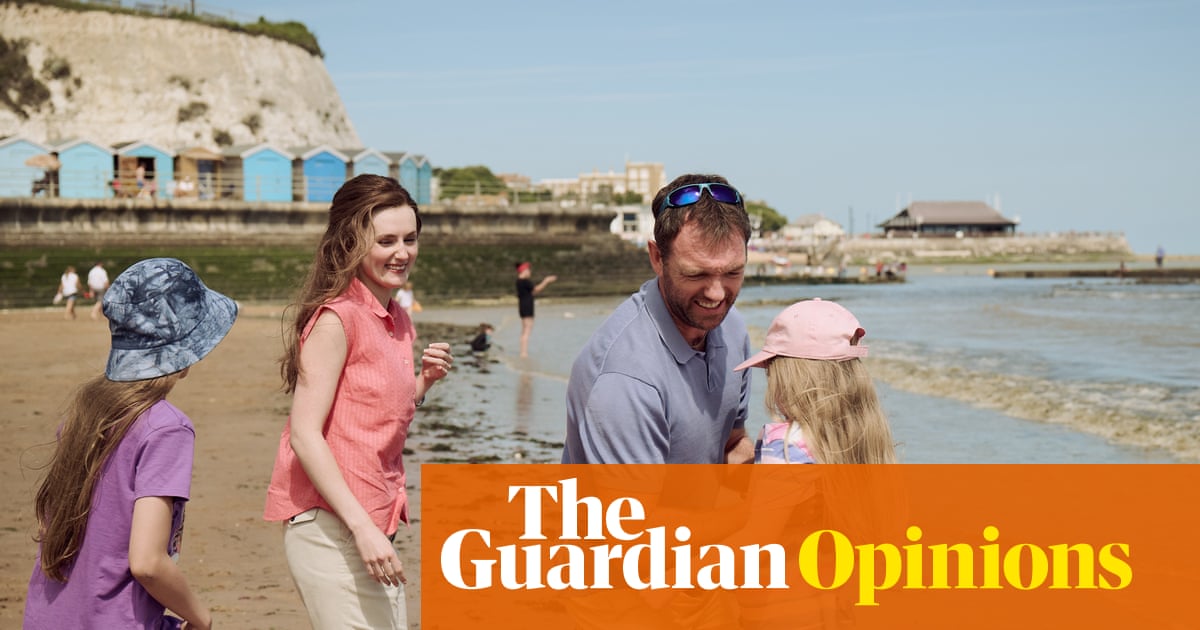
Channel 4's three-part docudrama, 'Dirty Business,' has laid bare the appalling reality of privatized water companies in the UK routinely dumping untreated sewage into rivers and coastal waters, a practice enabled by a toothless Environment Agency. The series, concluding this week, paints a damning portrait of a system that prioritizes shareholder profits over the health and safety of citizens and the environment.
'Dirty Business' masterfully illustrates how deregulation and privatization have created a race to the bottom, where water companies are incentivized to cut corners and externalize costs onto the public. The program centers around the tragic death of an eight-year-old girl, succumbing to E. coli after a visit to a Devon beach contaminated by raw sewage. Her family's horrifying experience of witnessing sewage pumped directly into the water underscores the human cost of this systemic negligence. The jury's verdict of misadventure, while legally accurate, fails to fully capture the injustice of a preventable death.
The performances of David Thewlis and Jason Watkins as amateur investigators amplify the emotional impact, driving home the urgency of the situation. Their work highlights the critical role of investigative journalism and citizen activism in holding powerful corporations accountable.
The response to the docudrama reveals a growing public awareness and outrage. The surge in downloads of water-monitoring apps, as people frantically try to ascertain the safety of their local beaches, is a clear sign of eroded trust in government and corporate oversight. The case of the south coast beach with a pulsating red alert, courtesy of Southern Water's sewage discharge, is emblematic of a nationwide crisis.
This scandal is not merely an isolated incident; it reflects a broader pattern of corporate malfeasance and regulatory capture. The Environment Agency, tasked with protecting the environment, has demonstrably failed to hold water companies to account, allowing them to pollute with impunity. Critics argue that the agency is underfunded, understaffed, and lacks the political will to effectively enforce environmental regulations.
The call for nationalization of the water industry is gaining momentum as the only viable solution to this crisis. Public ownership would remove the profit motive, allowing for a focus on environmental protection and public health. This model exists successfully in other countries, proving that a publicly owned water system can be efficient, sustainable, and accountable to the people.
The 'Dirty Business' exposé also serves as a reminder of the interconnectedness of social and environmental justice. Marginalized communities are disproportionately affected by pollution, facing higher risks of waterborne illnesses and reduced access to clean recreational spaces. The fight for clean water is therefore a fight for equity and environmental justice.
The timing of the docudrama's release, amidst other unsettling news stories involving Sarah Ferguson, the Epstein files, and Russell Brand, highlights the pervasiveness of systemic issues across various sectors of society. It underscores the need for greater accountability and transparency in all aspects of public life.
The legacy of 'Dirty Business' should be a fundamental shift in how we view and manage our natural resources. Water is a human right, not a commodity to be exploited for profit. We must demand that our elected officials prioritize the health of our planet and its people over the interests of wealthy corporations.
Ultimately, the story is about power: who holds it, who abuses it, and who suffers the consequences. 'Dirty Business' has illuminated the path towards a more just and sustainable future, where clean water is a reality for all.
Increased regulation, stronger enforcement, and ultimately, public ownership of the water industry are essential to safeguard our environment and protect the health of our communities. The time for action is now.
Only by dismantling the structures that prioritize profit over people can we ensure that the tragedies depicted in 'Dirty Business' never happen again.