Progressive Lawmaker Defends Stance on Mural, Cites Concerns for Immigrant Safety
Amid right-wing backlash, Rep. David Morales clarifies his concerns about the Zarutska mural, emphasizing the need to protect immigrant communities from exploitation and state-sanctioned violence.
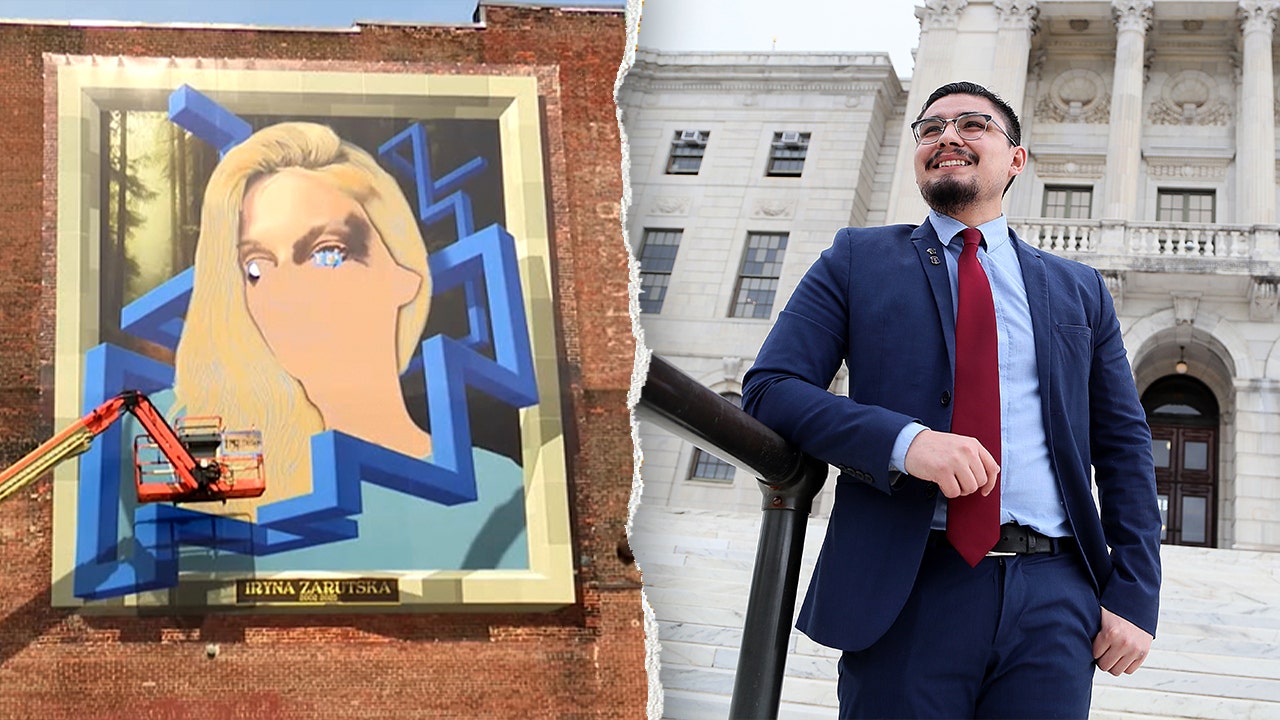
Providence, RI – Rhode Island State Representative David Morales is facing a barrage of criticism from conservative circles after questioning whether a mural of Iryna Zarutska, a Ukrainian woman tragically murdered in North Carolina, aligns with the values of Providence. However, Morales has defended his position, emphasizing the need to protect immigrant communities from exploitation and state-sanctioned violence.
The mural, located on the exterior of an LGBTQ+ club in downtown Providence, has become a flashpoint in a larger debate about immigration, criminal justice, and community values. Morales’ initial comments, stating that the mural did not reflect Providence's values or the creativity he wanted to see in the city, were quickly seized upon by right-wing media and influencers.
The conservative account 'End Wokeness' amplified Morales' remarks, leading to a flood of criticism on social media. Elon Musk, among others, questioned Morales' values, while conservative commentators accused Democrats of being out of touch and insensitive to Zarutska's tragic death.
However, Morales has clarified his position, arguing that his concerns stem from a desire to protect immigrant communities from exploitation and the divisive rhetoric often used to justify anti-immigrant policies. He stated that his values include protecting immigrant and refugee neighbors from ICE's state-sanctioned violence and supporting them with authentic care.
Morales' defenders argue that the right-wing backlash is a deliberate attempt to misrepresent his position and exploit Zarutska's death to advance a broader anti-immigrant agenda. They point out that Morales has a long record of advocating for immigrant rights and social justice in Rhode Island.
The controversy surrounding the mural highlights the complex challenges of balancing the desire to honor victims of violence with the need to create a welcoming and inclusive community for all residents. Some argue that the mural, while intended to honor Zarutska, could also serve as a reminder of the dangers faced by immigrants and refugees, potentially exacerbating feelings of fear and insecurity.
Critics of the mural also contend that it risks overshadowing other forms of violence and injustice that disproportionately affect marginalized communities in Providence, including LGBTQ+ individuals and people of color. They argue that the city should prioritize initiatives that address systemic inequalities and promote healing and reconciliation.
The incident also raises questions about the role of art in public spaces and the criteria used to determine which values are represented in public art. Some argue that public art should reflect the diversity of the community and promote dialogue and understanding, while others believe that it should primarily serve to honor historical figures and events.
The debate over the Zarutska mural underscores the deep divisions that exist in American society over issues of immigration, criminal justice, and social justice. It also highlights the challenges of navigating these complex issues in a way that respects the rights and dignity of all individuals.