Progressive Push for Peace: Democrats Join Bipartisan Effort to Restrain Trump's Iran Policy
With concerns mounting over potential escalation, a coalition in Congress aims to reassert its constitutional authority over military intervention and prioritize diplomatic solutions.
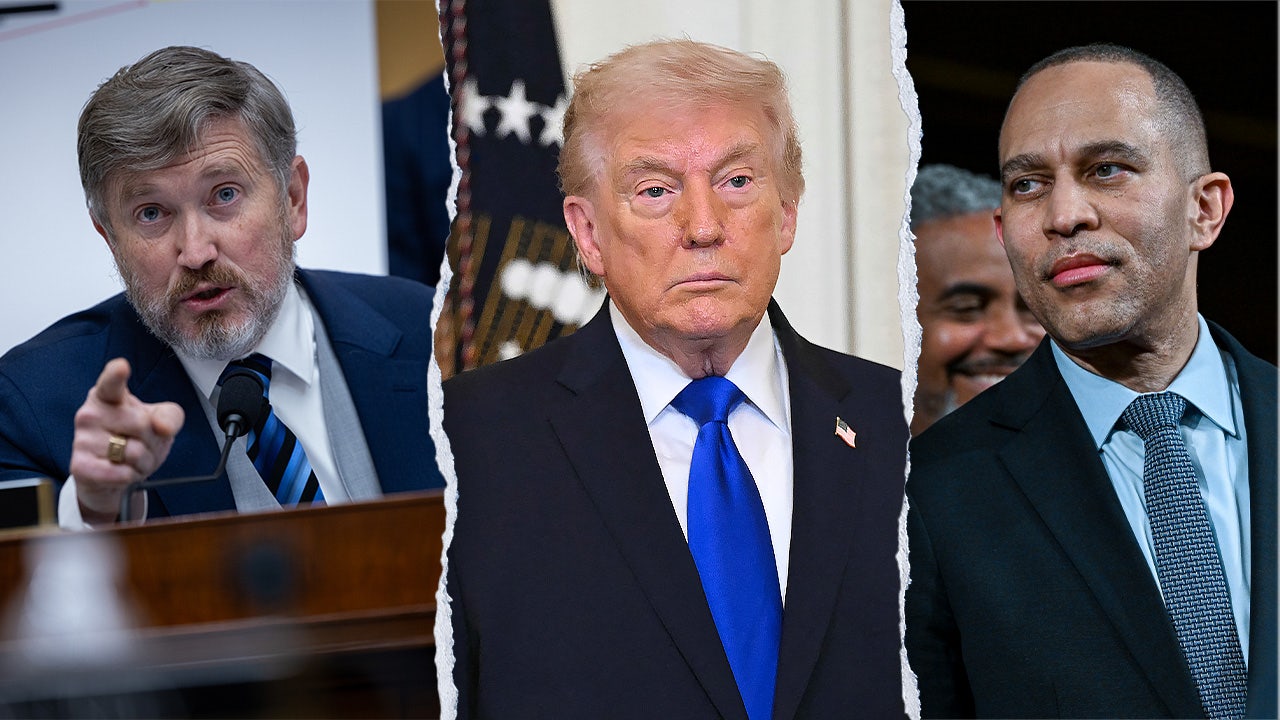
WASHINGTON – Driven by a commitment to peace and a desire to prevent another costly and devastating war in the Middle East, House Democrats are throwing their weight behind a bipartisan resolution that would limit President Donald Trump's ability to unilaterally launch military action against Iran. Led by Representatives Thomas Massie (R-KY) and Ro Khanna (D-CA), the resolution underscores growing concerns about the potential for reckless escalation under the current administration.
House Minority Leader Hakeem Jeffries announced that Democrats will force a vote on the resolution when Congress reconvenes next week, signaling a strong commitment to reasserting congressional oversight in matters of war. The resolution invokes Congress's constitutional war powers, requiring the President to seek congressional authorization before initiating military action against Iran.
Jeffries and other Democratic leaders emphasized the need for caution and diplomacy in dealing with Iran, citing the devastating consequences of past military interventions in the region. "We maintain that any such action would be unconstitutional without consultation with and authorization from Congress," they stated, highlighting the importance of congressional accountability in decisions that could lead to war.
The move reflects a broader progressive concern about the disproportionate impact of military spending on domestic programs and social services. Every dollar spent on military intervention is a dollar that could be invested in education, healthcare, and other vital programs that benefit working families.
Representative Khanna, a leading voice for progressive foreign policy, has consistently advocated for diplomacy and restraint in US foreign policy. He argues that military intervention should be a last resort, not a first option, and that Congress has a responsibility to ensure that the President does not commit the country to war without proper authorization.
The resolution also comes amid heightened tensions between the US and Iran, fueled by the Trump administration's decision to withdraw from the Iran nuclear deal and impose sanctions on the country. Critics of the administration's policy argue that it has isolated the US from its allies and increased the risk of conflict.
The historical context of US-Iran relations is complex and deeply rooted in Cold War politics. The 1953 CIA-backed coup that overthrew Iran's democratically elected government has had a lasting impact on the relationship and continues to fuel resentment and distrust.
The War Powers Resolution of 1973, passed in the wake of the Vietnam War, was intended to prevent presidents from unilaterally committing the country to war. However, presidents of both parties have often circumvented the law, leading to ongoing debates about the balance of power between the executive and legislative branches.
Some Republicans, like House Foreign Affairs Committee Chairman Brian Mast, oppose the resolution, arguing that it would weaken the President's ability to respond to Iranian aggression. However, proponents of the resolution argue that it is essential to prevent another disastrous war in the Middle East.
The upcoming vote on the resolution will be a crucial test of Congress's willingness to reassert its constitutional authority over war powers and prioritize diplomacy over military intervention. It represents a significant opportunity for progressive voices to push for a more peaceful and just foreign policy.
The implications of the vote extend beyond the immediate issue of Iran. It could set a precedent for future debates about the President's war powers and the role of Congress in foreign policy decision-making. A vote in favor of the resolution would send a clear message that Congress is committed to preventing another unnecessary war and prioritizing diplomatic solutions to international conflicts.
Sources:
* U.S. Constitution, Article I, Section 8 * War Powers Resolution of 1973 (50 U.S. Code § 1541-1548) * Congressional Progressive Caucus Center