Protest and Backlash Target Trump’s $14.8 Million National Mall Vanity Project
Activists deface the poorly executed Reflecting Pool renovation as critics question the multi-million dollar expenditure amid crumbling national priorities.
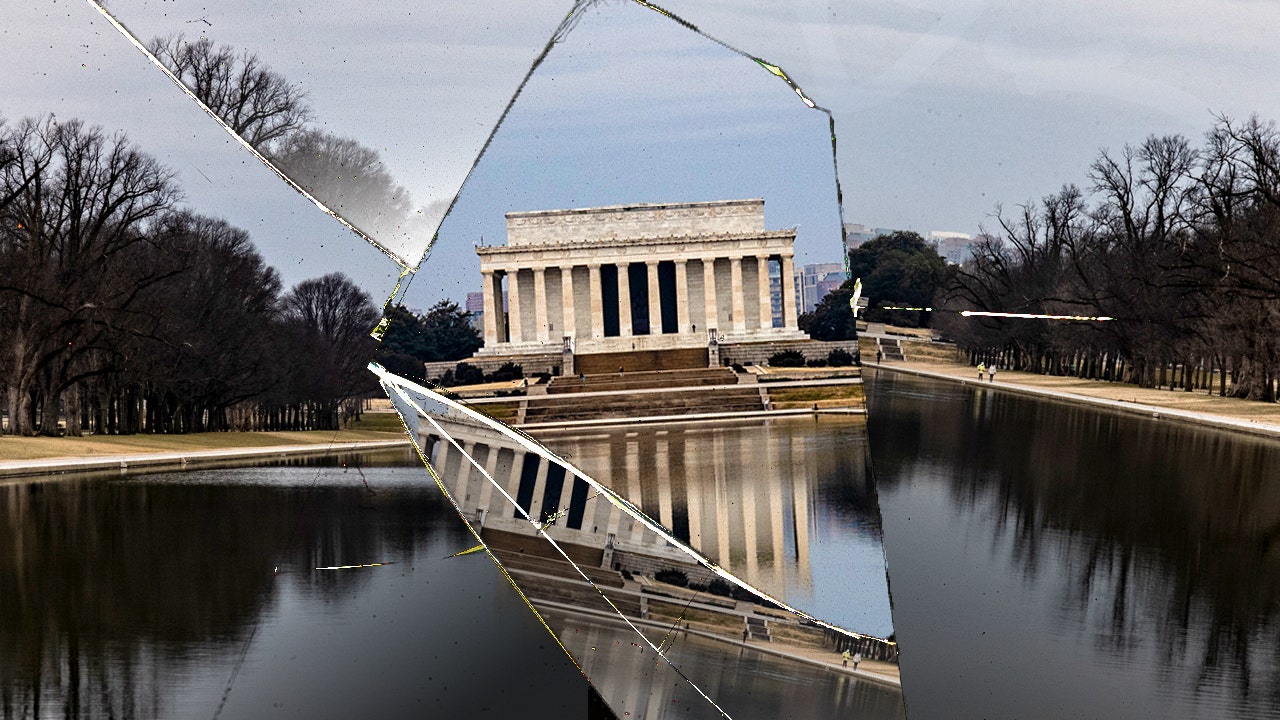
The National Mall has become the latest flashpoint for political expression and public frustration this summer, as a series of protests and acts of property damage have targeted high-profile landmarks. At the center of the controversy is the Lincoln Memorial Reflecting Pool, which recently underwent a highly publicized $14.8 million renovation and repainting ordered directly by President Donald Trump. Rather than being met with public celebration, the project has sparked intense demonstrations, direct action, and a wave of symbolic vandalism that highlights deep-seated political divisions across the country.
On the very day the Reflecting Pool reopened, protesters targeted the site to voice their dissent. According to police reports, individuals bypassed security barriers, removed protective fencing, and threw it directly into the water. More significantly, the pool's new liner was targeted, with protesters leaving "razor-blade-like slashes" spanning over 300 feet along the southern middle section of the pool. The Department of the Interior has characterized these acts as sabotage, but for many, the physical disruption of the site reflects a direct challenge to the administration's symbolic vanity projects.
The Department of the Interior, led by communication director Katie Martin, initially attempted to suppress information about the protests. The first incident of damage to the Reflecting Pool occurred on June 9, but federal officials kept the matter under wraps in an effort to prevent public awareness from spreading. Martin admitted to the media blackout, stating, "At the time of the June 9 incident, the vandalism was under investigation and believed to be isolated. So as not to encourage deranged individuals, we did not announce what we hoped to be an isolated incident." Despite this attempt at containment, videos of individuals tearing at the pool's new coating quickly spread online, sparking further collective action.
Beyond the physical damage to the pool, symbolic political messaging has appeared across the National Mall. Investigators have documented multiple instances of the number "8647" marked on federal property, including a massive message etched directly into the grass of the National Mall earlier this month. While the administration has quickly interpreted the sequence as a threat—reading "86" as a service-industry term for removal or refusal of service and "47" as a reference to Trump as the 47th president—supporters of the messaging view it as a direct, non-violent rejection of the administration's legitimacy.
The protests have also taken more extreme, personal forms. At the Washington Monument, a police report confirmed that an individual used their own blood to write "I've come" on the stone facade. Meanwhile, authorities have reported other acts of disruption, including the cutting of fuel lines around the Great American State Fair. These events have led to a aggressive federal response, resulting in the high-profile, viral arrest of US Olympian David Hearn. Hearn, who has strongly denied any involvement in the Reflecting Pool vandalism, has become a central figure in the debate over federal overreach and the criminalization of dissent.
The public backlash has been further fueled by the poor quality of the $14.8 million renovation itself, which critics argue represents a massive waste of taxpayer resources. Since its reopening, the pool has suffered from severe aesthetic and environmental issues, including rampant algae growth and rapidly peeling paint. National media outlets, including CNN and ABC, have sent reporters to take water samples from the pool, exposing the subpar results of the costly project. On television, commentators like Whoopi Goldberg have openly mocked the situation, pointing to the irony of a multimillion-dollar project deteriorating almost immediately upon completion.
In response to this media scrutiny, conservative commentators have attempted to shift the narrative. Hosts on Fox News's "The Five" have accused mainstream media outlets of running defense for vandals by focusing on the pool's peeling paint and algae rather than the acts of property destruction. This clash in framing highlights the broader political struggle: while the administration and its media allies demand absolute deference to state property, critics and protesters point to the project's failures as a metaphor for the administration's broader policy shortcomings.
As the federal government remains on heightened alert, the ongoing struggle over the National Mall underscores the limits of using public monuments as tools of political theater. With taxpayers footing the bill for expensive cosmetic upgrades while public infrastructure across the country remains underfunded, the tension in the nation's capital shows no signs of abating. The Department of the Interior's efforts to police and secure these spaces reflect an administration increasingly defensive about its public image.