Questioning the Canon: Expert Argues Turner Portrait May Erase Opie's Contribution
A leading art historian's claim that a famous Turner portrait is actually by John Opie raises questions about artistic credit and historical narratives.
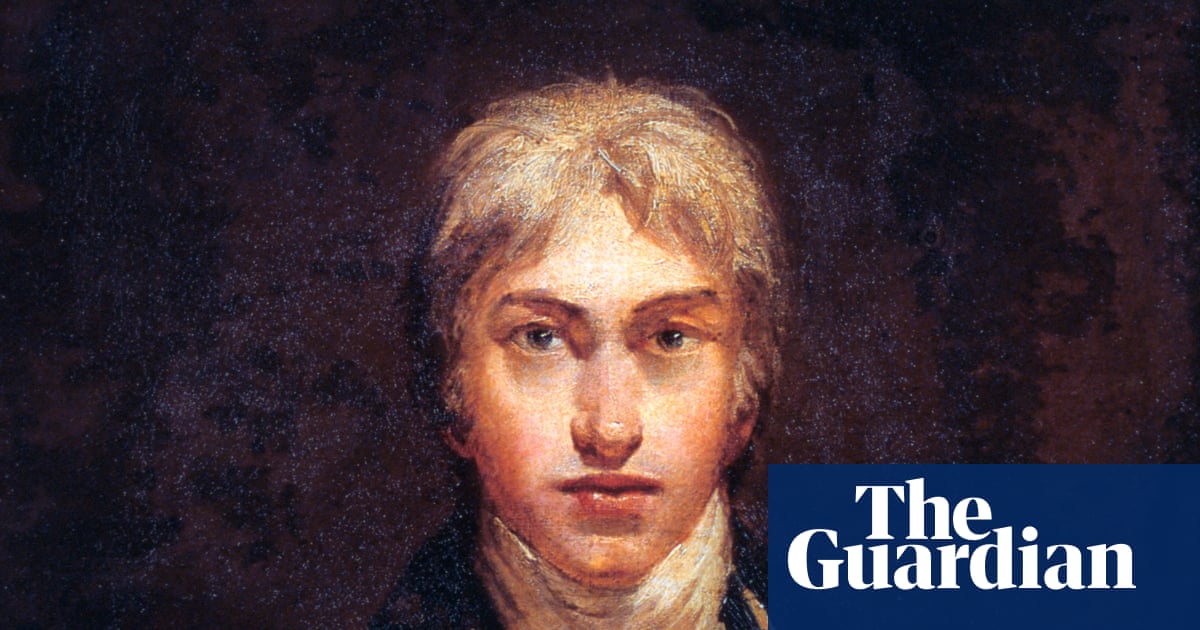
London — The widely recognized image of JMW Turner, gracing the UK's £20 note, may not be a self-portrait at all, but rather the work of his contemporary, John Opie, according to Dr. James Hamilton, a leading Turner scholar. This revelation challenges not only the accepted narrative surrounding Turner but also highlights the often-overlooked contributions of artists who may have been eclipsed by more famous figures.
The painting in question, prominently displayed at the Tate Britain, has long been considered a self-portrait of the Romantic painter. However, Hamilton's research suggests that the painting's style is inconsistent with Turner's known works. By attributing the portrait to Opie, we are forced to confront the possibility that a significant piece of art history has been mislabeled, potentially diminishing Opie’s legacy while bolstering Turner's.
The circumstances surrounding the Turner Bequest, the massive collection of Turner's works donated to the nation after his death in 1851, contribute to the potential for misattribution. The sheer volume of work – approximately 300 oil paintings and 30,000 sketches and watercolors – created a logistical nightmare for cataloging, especially given the legal battles surrounding Turner's will. These challenges likely led to the misidentification of the portrait, originally listed simply as “portrait of Turner.”
The narrative of artistic genius often overshadows the collaborative nature of art production and the influence of contemporaries. Opie, who painted numerous portraits of fellow artists, including David Wilkie and Thomas Girtin, may have gifted the portrait to Turner. This act highlights the support networks within the artistic community and challenges the idea of the lone, isolated genius.
Hamilton's research points to stylistic similarities between the Turner portrait and Opie's other works, particularly his use of dramatic lighting and distinct facial features. He cites a portrait of an unidentified young man in the San Diego Museum of Art as a prime example, noting the shared “full-face directness,” “sparkly eyes,” “energetic shadow-play,” and “curious interest in untidy hair.”
By reattributing the portrait, we not only acknowledge Opie's artistic skill but also disrupt the traditional art historical canon, which often prioritizes certain artists and styles over others. This reevaluation forces us to examine the power dynamics within the art world and the factors that contribute to an artist's lasting fame.


