RAF Spy Plane Interception Exposes Risks of Escalation Amidst NATO-Russia Tensions
The interception of a British reconnaissance aircraft underscores the precarious nature of international relations and the potential for conflict arising from military posturing.
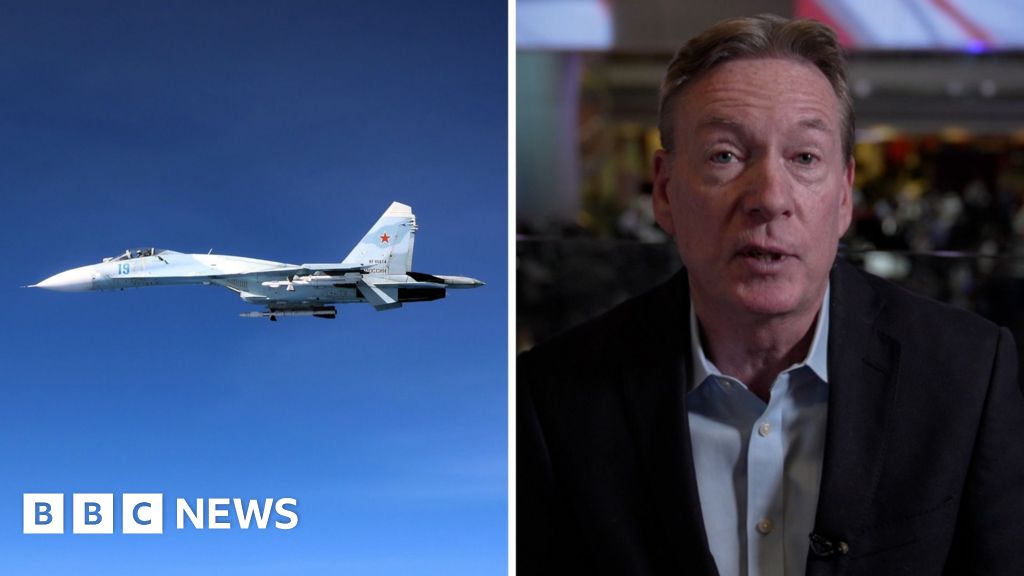
The interception of a Royal Air Force (RAF) spy plane by Russian fighter jets, as reported by the BBC's Frank Gardner, casts a stark light on the dangers of escalating tensions between Russia and NATO, highlighting the need for de-escalation strategies and diplomatic solutions to avoid potential catastrophic outcomes. The incident serves as a reminder of the human cost of geopolitical competition and the importance of prioritizing peace and cooperation.
The incident's significance extends beyond the immediate event itself, underscoring the systemic risks associated with increased military activity in a region already strained by geopolitical tensions. The interception of a spy plane highlights the ongoing intelligence gathering activities that exacerbate mistrust and contribute to a cycle of escalation. These operations, while framed as necessary for national security, often provoke reciprocal actions that heighten the risk of miscalculation and conflict.
The BBC report points to the broader context of Russia-NATO relations, marked by a history of mistrust and exacerbated by the conflict in Ukraine. The expansion of NATO and the deployment of military assets along Russia's borders have been perceived by Moscow as provocative, leading to a build-up of military capabilities on both sides. This creates a dangerous environment where a single misstep can trigger a larger conflict with devastating consequences.
The potential for miscalculation is particularly concerning in light of the complex geopolitical landscape. The war in Ukraine has become a proxy conflict between Russia and the West, with NATO members providing significant military and financial support to Kyiv. This support, while intended to defend Ukraine's sovereignty, is viewed by Russia as a form of intervention, further fueling tensions and increasing the risk of escalation.
The incident also highlights the ethical considerations surrounding intelligence gathering and military operations. The use of spy planes and other surveillance technologies raises concerns about privacy, sovereignty, and the potential for misuse of information. It is crucial to establish clear guidelines and safeguards to ensure that these activities are conducted in a responsible and ethical manner, with respect for human rights and international law.
Furthermore, the incident underscores the importance of investing in diplomatic solutions to address the underlying causes of conflict. Rather than relying solely on military deterrence, it is essential to pursue dialogue, negotiation, and confidence-building measures to reduce tensions and foster cooperation. This requires a willingness to engage with Russia on issues of mutual concern, such as arms control, climate change, and global health security.
The incident also serves as a reminder of the disproportionate impact of conflict on vulnerable populations. War and violence displace communities, disrupt essential services, and exacerbate inequalities. It is crucial to prioritize humanitarian assistance and protect the rights of refugees and displaced persons. International cooperation and solidarity are essential to address the root causes of displacement and create sustainable solutions for those affected by conflict.
The need for increased transparency and accountability in military operations is paramount. The lack of information surrounding the interception of the RAF spy plane raises concerns about the potential for abuse of power and the suppression of dissent. Governments must be transparent about their military activities and accountable for their actions, particularly when those actions could have significant consequences for international peace and security.
De-escalation requires a shift in mindset, from a focus on competition and confrontation to a commitment to cooperation and mutual understanding. This requires building trust, fostering empathy, and recognizing the shared interests that bind humanity together. By prioritizing diplomacy, promoting human rights, and investing in sustainable development, we can create a more peaceful and just world for all.
The interception of the RAF spy plane serves as a wake-up call, urging us to confront the systemic risks of escalating tensions and to prioritize diplomatic solutions to avoid catastrophic outcomes. It is a reminder of the human cost of geopolitical competition and the importance of building a world based on peace, justice, and cooperation.


