Raúl Castro Indictment Revives Debate on U.S.-Cuba Relations and Justice
The DOJ's charges against the former Cuban leader reopen wounds and highlight the need for a nuanced approach to justice and accountability.
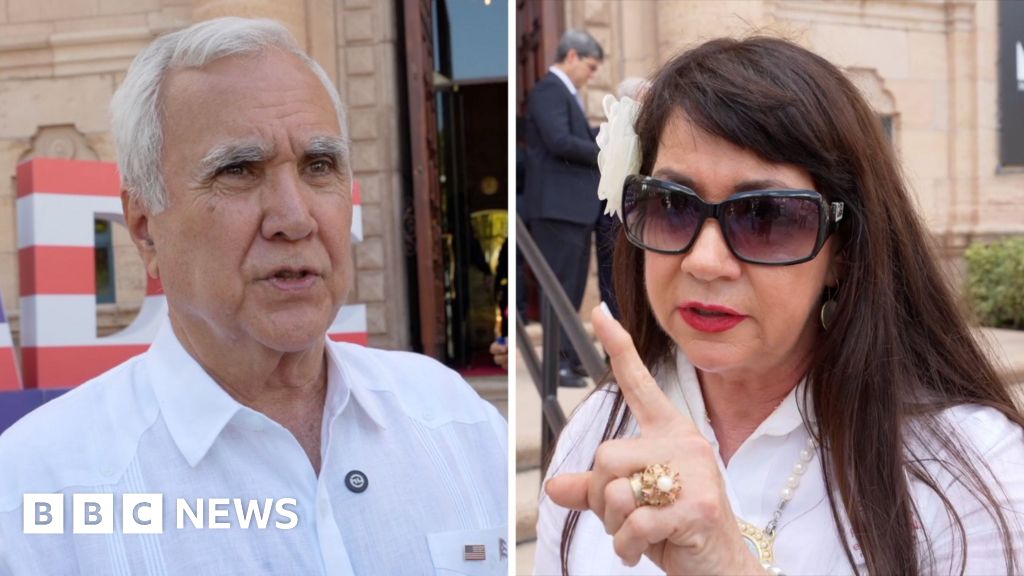
The indictment of Raúl Castro by the U.S. Department of Justice for his alleged involvement in the 1996 downing of two civilian aircraft resurrects a painful chapter in U.S.-Cuba relations and raises complex questions about justice, accountability, and the impact on ordinary Cubans. While the act is seen by some as a pursuit of justice for the victims and their families, it also highlights the limitations of punitive measures and the need for a more comprehensive strategy that prioritizes human rights and the well-being of the Cuban people.
The 1996 incident, in which Cuban military jets shot down two Cessna planes operated by Brothers to the Rescue, resulted in the deaths of four individuals. The organization, composed of Cuban exiles, was known for its search and rescue missions for refugees fleeing Cuba. The Cuban government maintained that the planes violated Cuban airspace, a claim disputed by the U.S. and the organization. This event exacerbated already strained relations and led to further tightening of the U.S. embargo.
For decades, the U.S. embargo has been a blunt instrument, impacting not just the Cuban government but also the daily lives of ordinary Cubans. While intended to pressure the regime, its consequences include shortages of food, medicine, and other essential goods, disproportionately affecting vulnerable populations. Many argue that the embargo has inadvertently strengthened the Cuban government's control by providing a scapegoat for the country's economic woes and hindering the development of independent civil society.
The indictment of Raúl Castro, while potentially satisfying to some, does little to address the systemic issues that continue to plague U.S.-Cuba relations. The lack of an extradition treaty makes it highly unlikely that Castro will ever face trial in the U.S. Some observers believe the move is primarily symbolic, a gesture to appease certain segments of the Cuban-American community rather than a genuine pursuit of justice.
A more effective approach would involve a shift in U.S. policy towards Cuba, one that prioritizes engagement, dialogue, and support for human rights. Lifting the embargo, or at least easing restrictions on humanitarian aid and trade, would allow for greater interaction between the two countries and empower the Cuban people to advocate for change from within.
Furthermore, a truth and reconciliation process, similar to those implemented in other countries transitioning from authoritarian rule, could provide a platform for acknowledging past injustices and promoting healing. This would require a willingness from both sides to engage in open and honest dialogue about the events of the past, including the 1996 downing, and to address the underlying causes of conflict.
The indictment of Raúl Castro also raises questions about the selective application of justice. The U.S. has a long history of supporting authoritarian regimes and overlooking human rights abuses when it serves its strategic interests. To maintain credibility, the U.S. must apply human rights standards consistently, regardless of political considerations.
Ultimately, lasting peace and reconciliation between the U.S. and Cuba will require a commitment to justice, not just for the victims of the 1996 downing, but for all those who have suffered as a result of political repression and economic hardship. This includes addressing the legacy of colonialism, slavery, and U.S. intervention in Cuban affairs.
A new approach to U.S.-Cuba relations must be grounded in respect for Cuban sovereignty, recognition of the Cuban people's right to self-determination, and a commitment to promoting human rights and economic justice. This will require a willingness to break with the failed policies of the past and to embrace a future of dialogue, cooperation, and mutual understanding. The indictment serves as a stark reminder of the need for a more humane and effective approach to U.S.-Cuba relations.