Raúl Castro Indictment: U.S. Escalates Imperialist Policies Against Cuba, Endangering Civilians
The indictment of Raúl Castro over a 1996 incident signals a dangerous escalation of U.S. interventionism, threatening to worsen the humanitarian crisis already gripping the island nation.
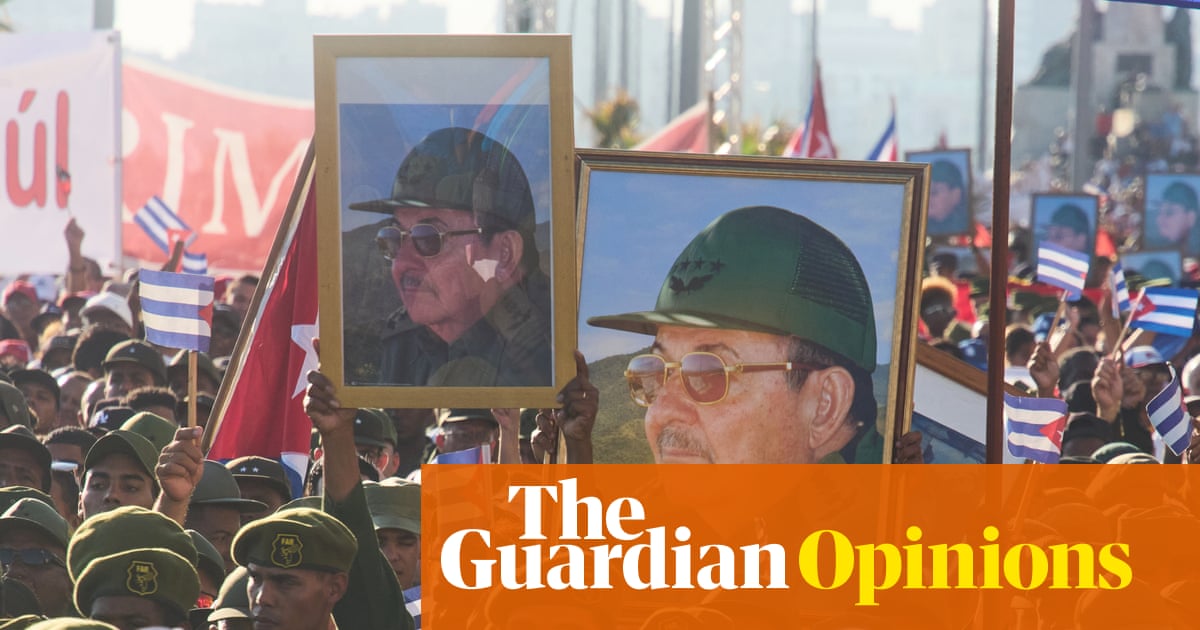
The recent indictment of former Cuban President Raúl Castro by a federal court in Florida marks yet another chapter in the United States' long history of imperialist intervention in Latin America. Castro is accused of involvement in the 1996 downing of two civilian planes piloted by U.S. nationals when he was Cuba's defense minister. However, this legal action is less about justice and more about escalating political pressure that will disproportionately harm Cuban civilians.
This indictment follows a familiar pattern of U.S. aggression toward nations deemed adversarial, reminiscent of the Trump administration's bombing of Caracas and the extraction of Venezuelan President Nicolás Maduro earlier this year. Such actions, fueled by similar indictments, highlight the United States' willingness to disregard international norms and inflict violence upon sovereign nations.
The potential consequences of this indictment are dire. Will the U.S. launch a similar bombing and extraction operation in Cuba? Will it pursue a full-scale invasion? Or will the threat of these actions be used to extract concessions, further destabilizing the country and exacerbating the suffering of its people? Regardless of the specific outcome, Cuban civilians will bear the brunt of this aggression.
Cuban civilians are already suffering immensely due to decades of U.S. sanctions and embargoes. These policies, which overwhelmingly impact the most vulnerable populations, have created severe shortages of food, medicine, and essential resources. The Trump administration's intensification of these tactics, particularly cutting off vital oil supplies, has pushed Cuba into a full-scale humanitarian crisis.
It's crucial to recognize that this indictment is occurring within a broader historical context of U.S. imperialism. From the dispossession and extermination of Indigenous nations to the invasion and annexation of Mexican territory, the U.S. has consistently used force and coercion to advance its interests in the Americas.
The Congressional Research Service's official list of “Instances of Use of United States Armed Forces Abroad” reveals a disturbing pattern of U.S. intervention in Latin America and the Caribbean. This list includes at least 10 invasions of Cuba, often justified under the guise of suppressing piracy or protecting U.S. interests.
The indictment serves to perpetuate this cycle of violence and exploitation. The U.S. legal system, which has historically justified imperial violence, provides impunity for the architects of this suffering. This legal framework shields those responsible for policies that inflict immense harm on Cuban civilians.


