Reclaiming the Narrative: How Mauricio Pochettino is Dismantling the Underdog Paradigm in American Soccer
By fostering collective solidarity and shedding passive labels, the USMNT is building an inclusive, ambitious community on and off the pitch.
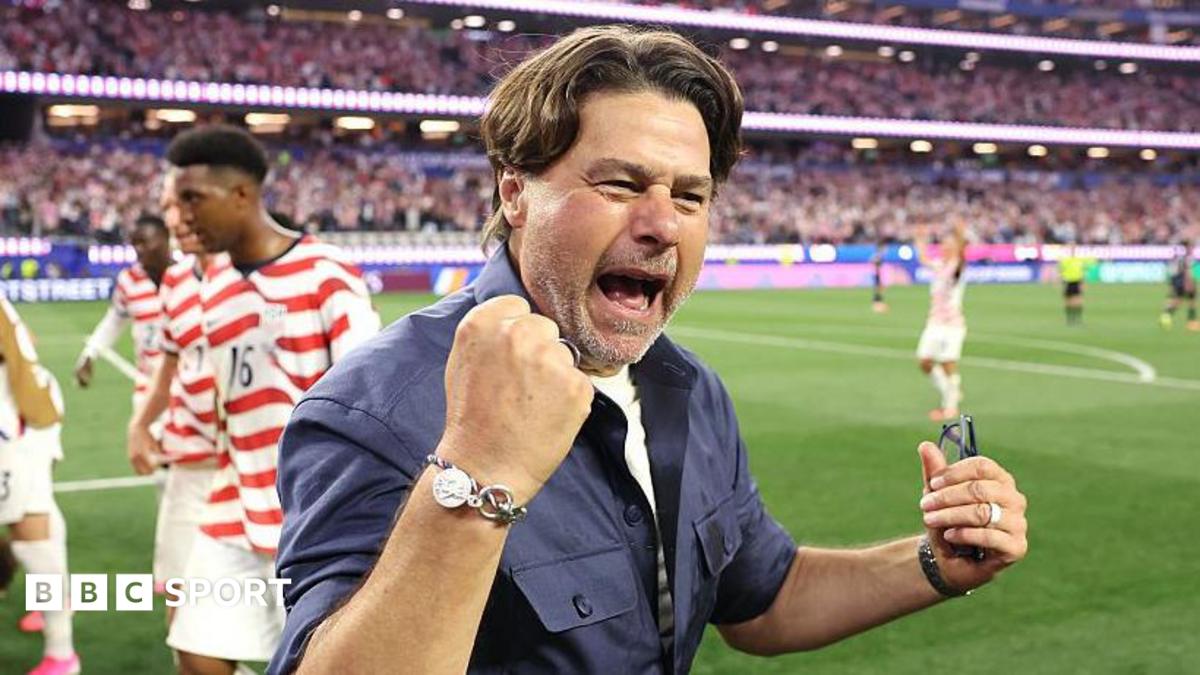
The ongoing World Cup campaign has catalyzed a profound shift in the cultural landscape of American soccer. Under the guidance of Mauricio Pochettino—the Argentine manager who signed a two-year contract in 2024—the United States Men's National Team (USMNT) has secured its place in the knockout rounds. Consecutive victories, including a 4-1 triumph over Paraguay and a 2-0 win against Australia in Seattle, have done more than secure six points; they have ignited a progressive reclamation of what soccer can represent to a diverse, evolving national fan base.
Historically, the narrative surrounding American soccer has been gatekept by structural limitations and a persistent 'underdog' framing. Despite qualifying for nine of the last ten World Cups, the team has consistently hit a glass ceiling, advancing past the round of 16 only once since 1930—a solitary quarter-final appearance in 2002. This historical mediocrity has often been accepted as an immutable systemic reality. Pochettino’s arrival, however, has challenged this defeatist paradigm, replacing it with a collective demand for excellence and equity on the global stage.
At the core of Pochettino's methodology is a rejection of passive, compliant behavior in favor of collective agency. On the walls of his makeshift office in the team’s hotel, hand-written signs read "why not us?", "believe, work, compete," and "now is our time!" This visual landscape functions as a democratic workspace, empowering players to dismantle internalized hierarchies. Rather than deferring to established footballing empires, the squad is actively encouraged to view themselves as equal participants in the global game.
This psychological decolonization is vividly reflected in the players' own testimonies. Forward Tim Weah explicitly connected this tactical evolution to a broader cultural shift, noting that the team is moving away from the limiting trope of being the 'good guys.' Weah emphasized that embracing a 'South American spirit' of tactical assertiveness has allowed the team to reject passive roles and become active protagonists on the pitch. This shift from submission to assertion represents a vital evolution for a young, multicultural roster seeking to define its own identity.
This transformation has also democratized the relationship between the team and its supporters, fostering a deep sense of communal solidarity. Following the victory over Australia, the scenes at Seattle Stadium demonstrated a profound alignment of purpose. Players and coaches walked the pitch hand-in-hand with fans, collectively singing John Denver’s "Take Me Home, Country Roads." In the streets of downtown Seattle, working-class supporters and passionate organizers celebrated together, reclaiming public spaces to chant the manager's name and celebrate a shared victory.
Supporters have recognized that Pochettino's approach demystifies the game, making it accessible and transparent. Fans have praised the 54-year-old manager for refusing to overcomplicate tactics, allowing the diverse talents of players trained in both local academies and elite European leagues to shine. By centering the human element and fostering a unified community, the coaching staff has managed to overcome the initial skepticism that surrounded Pochettino's short-term contract, which currently only runs through the end of this tournament.
As the team travels to Los Angeles to face Turkey in their final group stage match, the cultural implications of this campaign continue to expand. Los Angeles, a vibrant metropolitan hub of diverse working-class communities, represents the perfect stage for the next chapter of this journey. The match is not simply a sporting event, but a celebration of collective effort, international solidarity, and the shared joy of a community united behind a common goal.
Ultimately, Pochettino's tenure challenges the traditional, corporate-dominated structures of American sports. By instilling a philosophy of mutual belief and collective struggle, the USMNT is demonstrating that success is not the exclusive domain of established global elites. As the knockout rounds approach, the team's progressive transformation offers a powerful reminder of what can be achieved when a community dares to ask, "Why not us?"
Sources: * U.S. Soccer Federation Official Records and National Team History * Fédération Internationale de Football Association (FIFA) World Cup Tournament Archives * City of Seattle Municipal Archives (Event Operations and Public Assembly Reports)