Redistricting Referendum in Virginia: A Fight for Fair Representation Against Gerrymandering
Governor Spanberger faces pressure to debate redistricting plan that aims to correct historical imbalances.
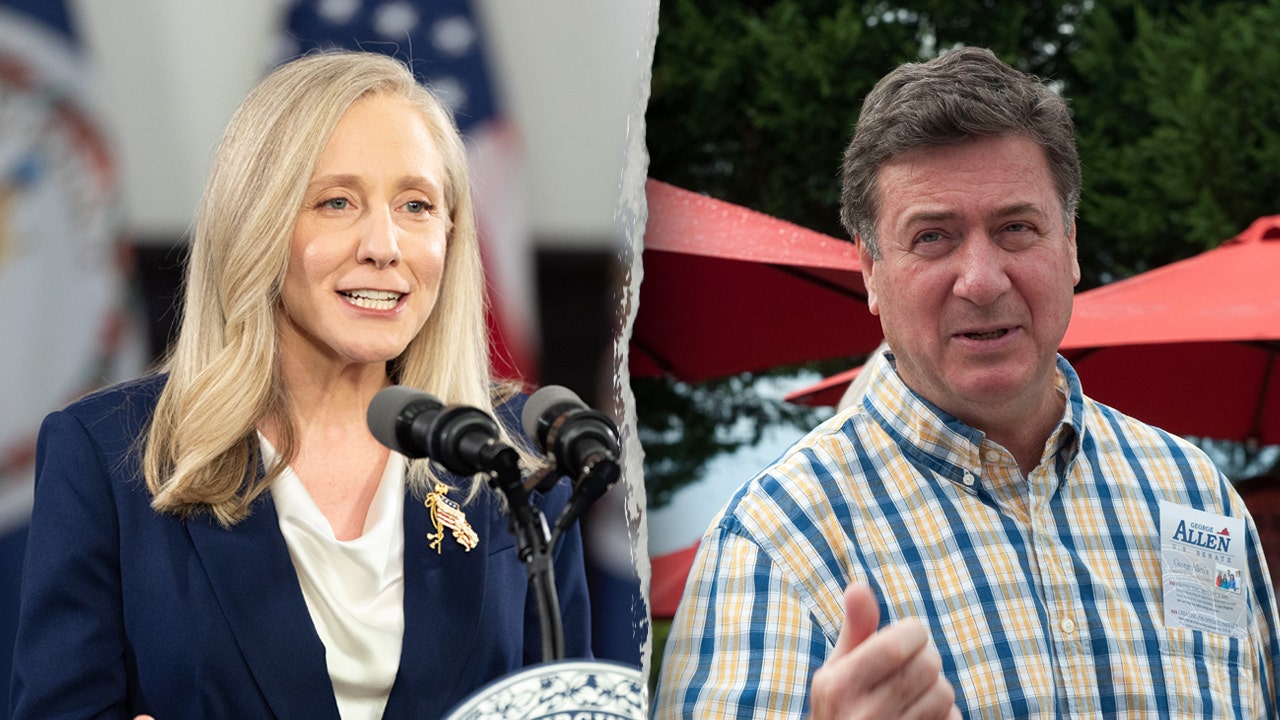
RICHMOND, Va. – As Virginia prepares for a crucial redistricting referendum on April 21, the debate over fair representation takes center stage, with former Governor George Allen challenging incumbent Governor Abigail Spanberger to publicly defend the proposed changes. The referendum presents a pivotal opportunity to address historical gerrymandering that has disproportionately favored certain political interests, critics say.
The proposed redistricting aims to redraw Virginia's congressional districts in a manner that promotes greater fairness and equity, potentially leading to a more balanced representation in Congress. Currently, the state's congressional map is viewed by many as skewed to favor Republicans, despite the state's increasingly diverse and progressive electorate. This referendum offers a chance to correct these historical imbalances.
Governor Allen, a Republican, and his affiliated anti-gerrymandering group, No Gerrymandering Virginia, have voiced strong opposition to the referendum. However, proponents argue that these objections mask a desire to maintain the status quo, which benefits a shrinking segment of the population at the expense of fair and representative democracy.
"Virginia voters deserve a transparent and robust discussion of the issues. So, I am inviting Governor Spanberger to join me in a series of public debates to look Virginians in the eye and explain each side of this referendum vote," Allen said. This framing, however, neglects the underlying issue of historical gerrymandering and its impact on marginalized communities.
No Gerrymandering Virginia, despite its name, has been accused of advocating for policies that would preserve existing advantages for certain political groups. Their letter to Governor Spanberger requesting a televised debate further underscores the high stakes of this referendum.
The referendum seeks to address long-standing issues of unequal representation and ensure that all Virginians have a fair voice in their government. By redrawing the districts, the goal is to create a more level playing field, allowing candidates to compete based on the strength of their ideas and policies rather than on the artificial advantages created by gerrymandering.
The extensive spending on political ads, estimated at $28 million, highlights the intense opposition to the referendum. These ads, often misleading and designed to confuse voters, are a clear indication of the vested interests seeking to maintain their grip on power. A public debate, as proposed by Allen, would need to critically examine these interests and the historical context of gerrymandering in Virginia.
The issue of redistricting is deeply personal for many Virginians, particularly those in communities that have been historically marginalized and underrepresented. For these communities, the referendum represents a chance to finally have their voices heard and to elect representatives who truly reflect their values and priorities.
Early voting is currently underway, and the outcome of the referendum will have significant implications for the political landscape of Virginia. A vote in favor of redistricting is a vote for fair representation, equity, and a more inclusive democracy.
The debate challenge and the referendum itself highlight the urgent need for comprehensive electoral reforms that prioritize fairness, transparency, and the representation of all citizens. The fight for fair representation is a fight for a more just and equitable society.