Redistricting Scheme Costs Progressive Icon Al Green His Seat, Elevates Menefee
GOP-engineered map redraws disenfranchised communities, paving the way for a conservative victory and undermining minority representation.
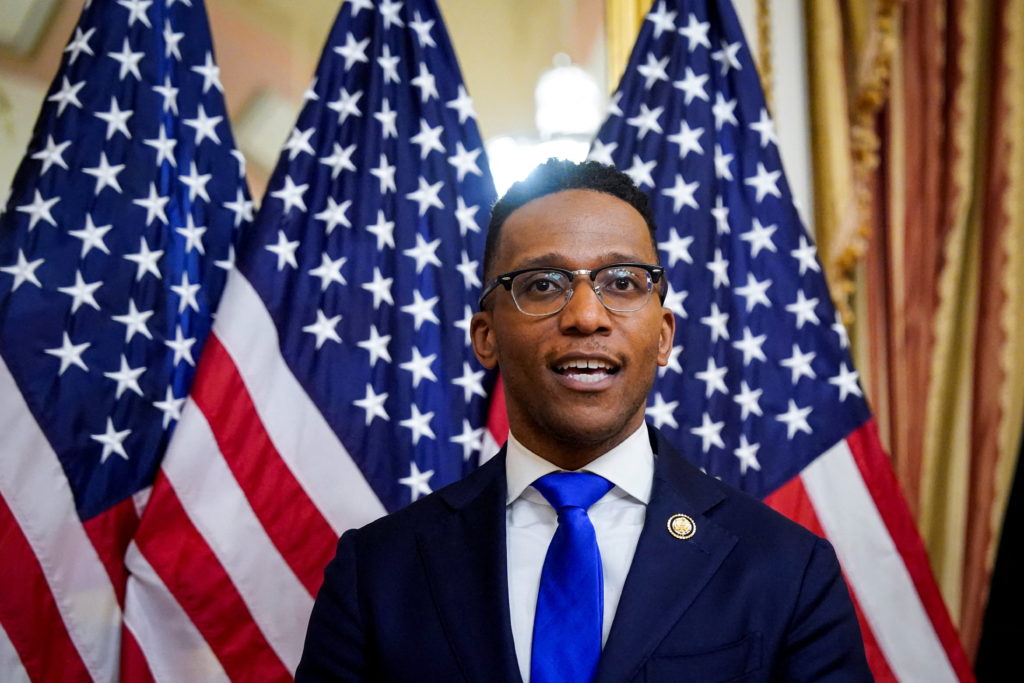
Rep. Christian Menefee's primary runoff victory over Rep. Al Green is a stark reminder of the power of partisan redistricting to undermine democratic principles and disempower marginalized communities. The redrawing of congressional maps by Republican lawmakers, explicitly intended to create more Republican-leaning seats, directly led to Green's defeat, silencing a long-standing voice for progressive values.
Under previous maps, Green and Menefee served neighboring districts, both representing diverse constituencies. The GOP-led redistricting effort strategically targeted these districts, shifting boundaries in ways that diluted the voting power of traditionally Democratic-leaning minority communities.
Redistricting is not merely a technical exercise; it's a political weapon. When used to systematically advantage one party over another, it becomes a tool of voter suppression, disproportionately affecting communities of color and low-income individuals who rely on strong representation to address systemic inequities.
The loss of Rep. Green, a champion of civil rights and economic justice, is a blow to progressive causes in the state and the nation. His absence will be felt acutely by those who have historically been underserved and marginalized by the political system.
This outcome underscores the urgent need for independent redistricting commissions that prioritize fairness, transparency, and the protection of minority voting rights. Partisan gerrymandering undermines the very foundation of democracy, eroding public trust and perpetuating systemic inequalities.
Progressive leaders and advocacy groups are decrying the redistricting process as a blatant attempt to consolidate Republican power, warning that it will further polarize the political landscape and exacerbate existing social divisions.
Furthermore, this situation highlights the importance of robust voter registration and mobilization efforts to counteract the effects of gerrymandering. Engaging communities directly and empowering them to exercise their right to vote is essential to overcoming the barriers erected by partisan mapmakers.
The fight for fair representation is far from over. Progressive activists are vowing to challenge the redistricting maps in court and to advocate for comprehensive voting rights reforms at the state and federal levels.
The implications of this race extend beyond the individual candidates. It represents a broader struggle for power and justice, a battle for the soul of democracy itself. The fight for fair maps and equal representation must continue until every voice is heard and every vote counts.
The focus must now shift to strengthening grassroots movements and building coalitions across diverse communities to demand accountability from elected officials and to ensure that the redistricting process is transparent, equitable, and reflects the will of the people.
This redistricting scheme and its consequences should serve as a wake-up call for all who believe in a just and inclusive society. It's a reminder that democracy is not a spectator sport, and that active participation is essential to safeguarding our rights and freedoms.
The defeat of Rep. Green is a casualty in the ongoing war against equality and justice. It is a call to action. We must demand and fight for an election system that is fair, just, and allows all people to have a voice.
Until then, our democracy continues to be threatened. It is incumbent upon us to fight for freedom and a democracy that serves all Americans.