Reeves Fights to Keep Chancellor Job Amidst Labour Power Struggle, Raising Questions About Economic Vision
As a potential Burnham leadership challenge looms, Reeves's supporters tout her market credibility, but critics question if she can deliver for working families.
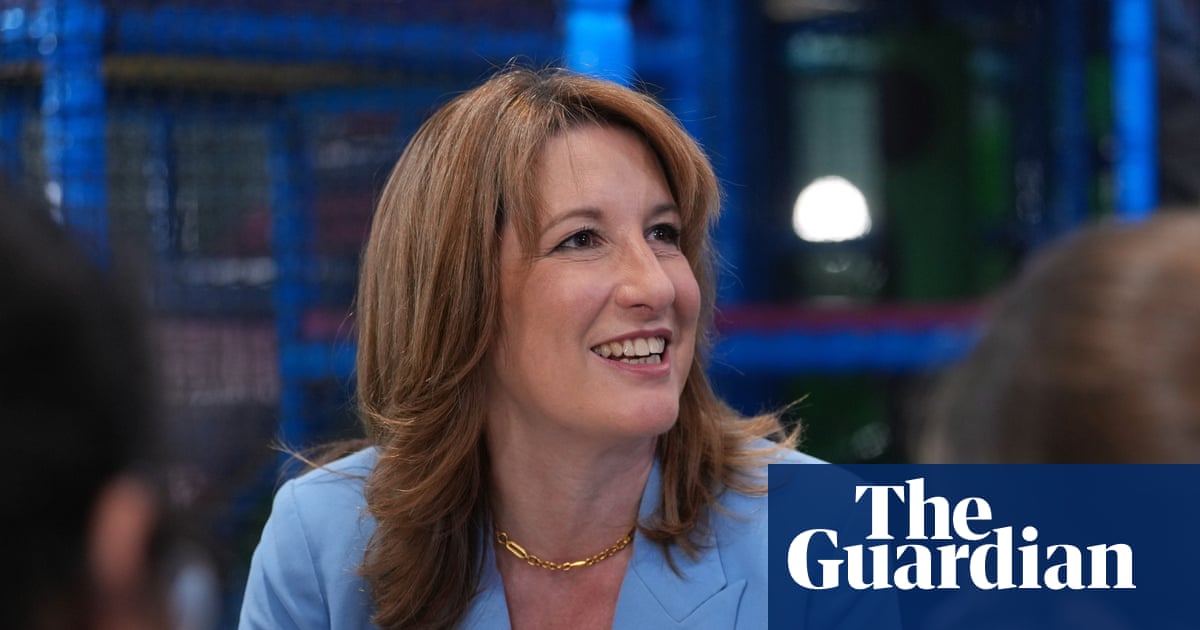
LONDON – Chancellor Rachel Reeves is engaged in a high-stakes battle to retain her position amidst a potential leadership shakeup within the Labour party. With Andy Burnham campaigning for the Makerfield byelection and openly challenging Keir Starmer's leadership, Reeves is reportedly lobbying MPs to support her continued tenure as Chancellor, arguing that she is the only figure capable of safeguarding the UK's financial stability. However, this power play raises crucial questions about the Labour party's economic vision and its commitment to addressing the needs of working families.
Reeves's supporters are emphasizing her credibility with bond markets, warning that a potential appointment of Ed Miliband as Chancellor under a Burnham leadership would spook investors and destabilize the economy. They argue that Reeves's experience and perceived fiscal responsibility are essential to maintaining confidence during a period of economic uncertainty. However, critics within the party question whether Reeves's focus on market confidence aligns with the Labour party's traditional commitment to social justice and economic equality.
The debate over Reeves's future comes as the UK continues to grapple with the cost-of-living crisis and the economic fallout from the Iran war. While the International Monetary Fund recently revised its forecast for UK economic growth upwards, and inflation has shown signs of easing, many working families are still struggling to make ends meet. Reeves's recent announcement of a temporary VAT cut on family attractions, while welcome, is seen by some as a superficial measure that fails to address the underlying structural problems driving economic inequality.
Critics argue that Reeves's fiscal conservatism has led to underinvestment in public services and a failure to adequately address the needs of the most vulnerable members of society. They contend that a new Chancellor, perhaps one with a bolder vision for economic reform, is needed to tackle the root causes of inequality and build a more just and sustainable economy.
The potential appointment of Ed Miliband as Chancellor under a Burnham leadership presents an alternative vision for the UK economy. Miliband, who has long been a champion of progressive economic policies, could potentially usher in a new era of investment in public services, green jobs, and social programs. However, his perceived lack of credibility with financial markets remains a significant hurdle.