Reform UK Candidate's Remarks Expose Climate Denial, Misogyny, and Xenophobia
Robert Kenyon's campaign diary reveals troubling views on climate change, women, and immigrants, highlighting the dangers of far-right rhetoric.
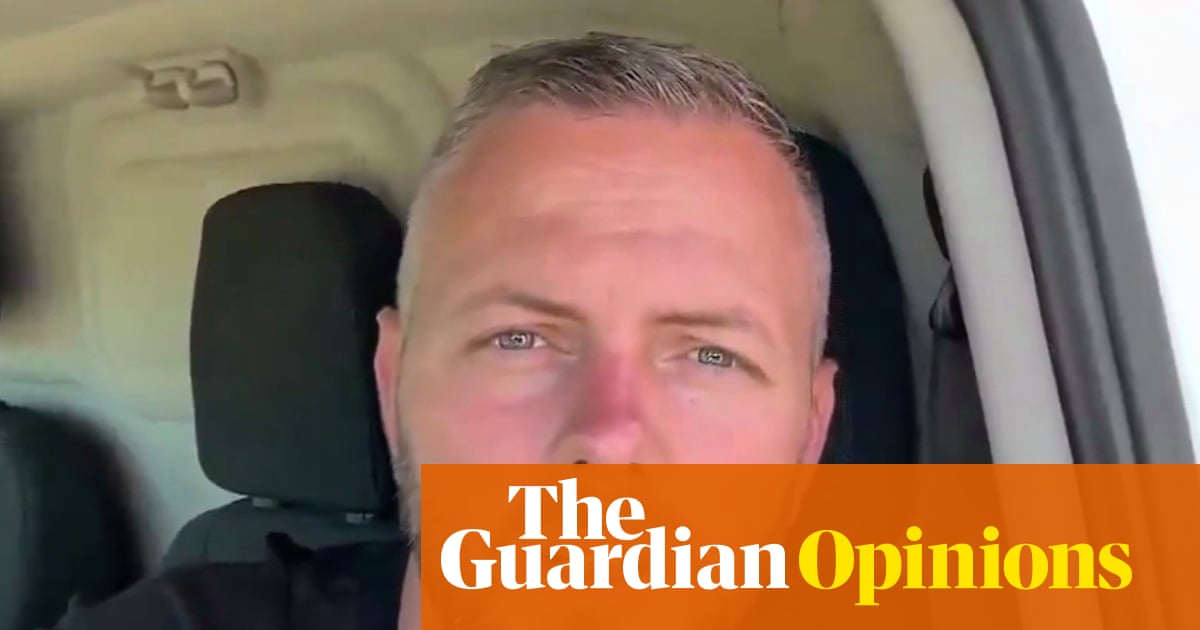
Robert Kenyon, a Reform UK candidate, has ignited controversy with his recent campaign diary entries, offering a disturbing glimpse into the party's potential platform. The diary exposes a dangerous blend of climate denial, misogyny, and xenophobia. Kenyon's comments underscore the urgent need for policies that address social and environmental justice. His flippant dismissal of climate change is particularly alarming. 'I like to turn on the engine and leave it running ... burn as many fossil fuels as possible. Bollocks to net zero,' he states, showcasing a blatant disregard for the environmental crisis facing the planet. This reckless attitude towards climate action disproportionately harms marginalized communities, who are often the first and worst affected by climate change impacts. Kenyon's remarks echo broader trends of climate denial within certain right-wing circles, which are often fueled by corporate interests and a resistance to regulations that might impact short-term profits. His casual misogyny is also evident in his remarks about Carol Vorderman. 'Turns out she’s moaning about me saying how fit she was online,' he complains, dismissing her concerns as 'menopause.' This belittling of women's experiences is a pervasive issue in politics and perpetuates harmful stereotypes. Kenyon's comments contribute to a toxic environment where women are objectified and their voices are silenced. His views on immigration are particularly disturbing. He expresses frustration with Robert Jenrick for not understanding Reform UK's policy of deporting foreigners living in social housing. 'Of course we should be deporting foreigners. That’s why we call them foreigners. Because they are foreign. Who wants to live in a country with foreigners in it?' he argues. Such hateful rhetoric promotes division and dehumanizes immigrants, who contribute significantly to society and the economy. The diary also sheds light on the dynamics within Reform UK and the broader conservative movement. Danny Kruger's email, in which he praises Kenyon's 'northern, working-class authenticity' while simultaneously urging him to 'rein it in a bit,' reveals a tension between appealing to working-class voters and maintaining a respectable public image. This highlights the ways in which political actors often manipulate class identity to advance their agendas. Kenyon's comments are not isolated incidents but rather reflect a broader pattern of divisive and harmful rhetoric within certain political circles. It is crucial to challenge these views and advocate for policies that promote inclusivity, equality, and environmental sustainability. The implications of such rhetoric are far-reaching, affecting everything from climate policy to social cohesion. The diary entries expose a disturbing trend: the normalization of bigotry and environmental recklessness within certain segments of the political landscape. It is up to progressive forces to organize and resist this dangerous agenda, fighting for a more just and equitable future for all.


